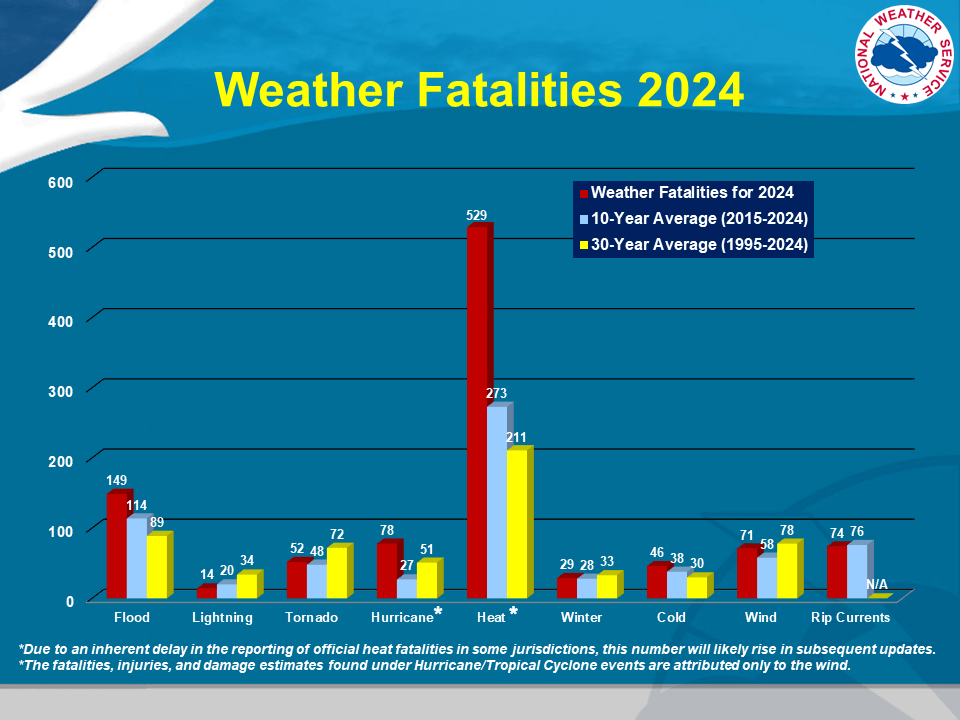
Heat doesn’t look like a disaster. That’s exactly why it kills more Americans than tornadoes, hurricanes, and floods combined.
Nobody broadcasts a heat death the way they broadcast a tornado. There’s no dramatic footage. No debris field. No moment of impact you can point to. Heat just keeps working until your body can’t anymore. Quietly. Efficiently. Without warning signs most people recognize until it’s too late.
That’s the problem. And that’s why you’re here.
The Number Most People Get Wrong
Heat kills more Americans every year than any other weather hazard. More than tornadoes. More than floods. More than hurricanes. More than winter storms.
Not combined. Each.
The CDC estimates heat kills over 1,300 Americans annually in reported deaths and that number almost certainly under counts the real toll, because heat-related deaths are routinely attributed to heart attacks, kidney failure, and other conditions that heat triggered but didn’t officially cause.
Most people believe winter is the more dangerous season. Most people are wrong.
Your Car Is a Death Trap
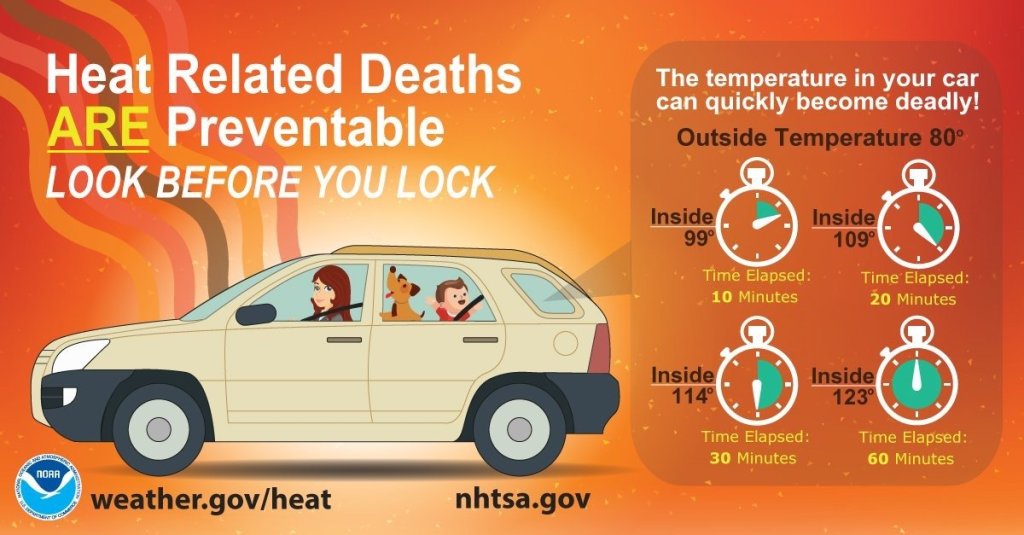
This isn’t a metaphor. A vehicle parked in summer sun becomes a furnace within minutes. On a 90-degree day, interior temperatures can hit 130 degrees in under 30 minutes. Cracking open a window does nothing.
Children have already died in vehicles in the United States this year. Every year, children die this way. Every year, so do pets. Every year, it is entirely preventable.
If you see a child or animal alone in a parked vehicle in summer heat…act. Don’t wait. Don’t assume someone is coming back soon enough.
What Heat Actually Does to Your Body
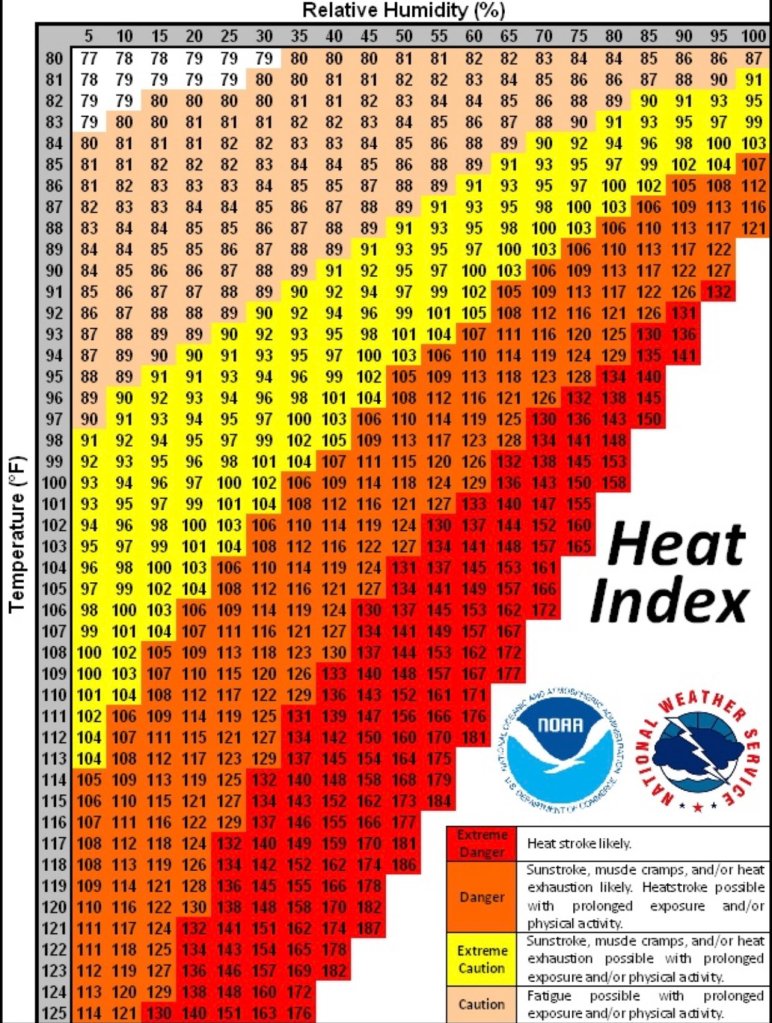
Your body cools itself through sweat. When the air is both hot and humid, that system starts to fail, sweat can’t evaporate efficiently, so the cooling effect disappears. Core body temperature climbs. Organs begin to fail. Your brain is affected before most people realize anything serious is happening.
High humidity is the hidden danger. A day that’s 95 degrees with 60 percent humidity feels, and functions, like 114 degrees. That’s not a perception issue. That’s what your body is actually dealing with.
Heat Exhaustion vs. Heat Stroke — Know the Difference
These are not the same thing. Confusing them can kill someone.
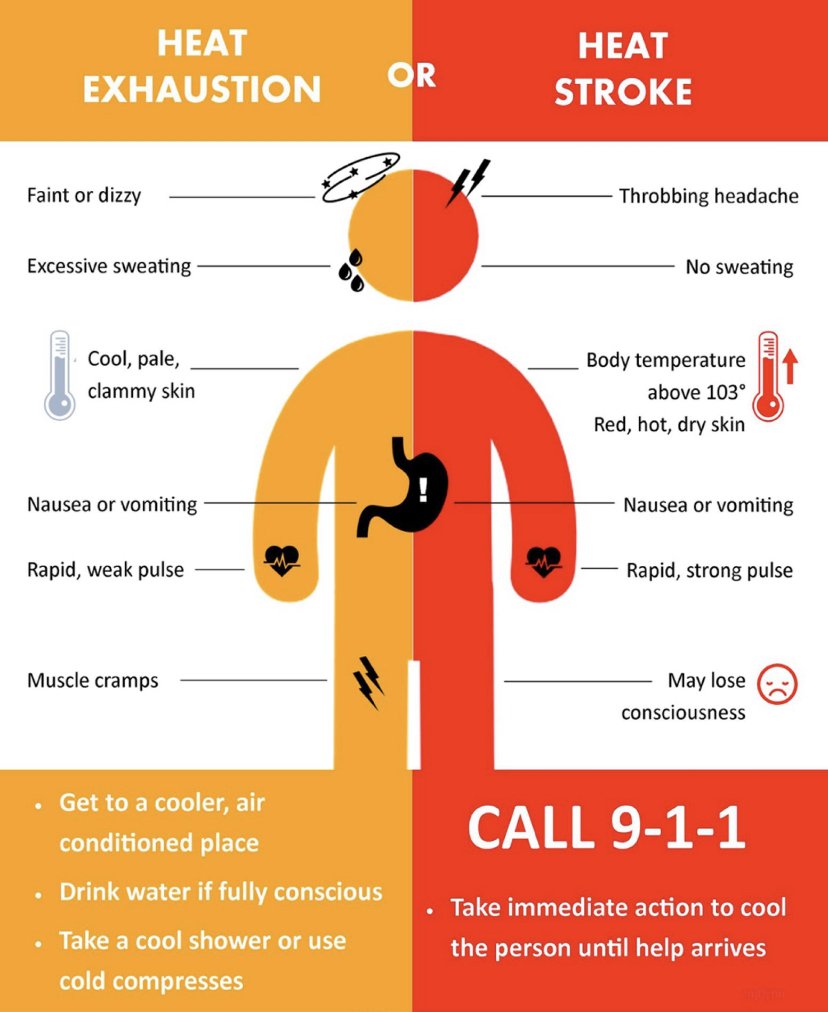
Heat exhaustion is serious but treatable. Heavy sweating, weakness, cold and pale skin, a fast and weak pulse, nausea, possible fainting. Get out of the heat immediately. Drink water. Cool down. This is your warning.
Heat stroke is a medical emergency. Body temperature above 103 degrees. Hot, red, dry skin meaning the body has stopped sweating. Rapid, strong pulse. Possible unconsciousness. Call 911 immediately. Do not wait to see if they improve. Every minute matters.
The dangerous moment is when someone stops sweating and their skin becomes hot and dry. That’s not improvement. That’s the emergency.
Night Doesn’t Save You
People assume the heat breaks after dark. Sometimes it doesn’t.
When nighttime temperatures stay elevated, a phenomenon called an urban heat island effect, common in cities, the body never gets a chance to recover from daytime heat stress. Days of accumulated heat stress compound. That’s when the death toll from a heat wave spikes. Not on day one. On days three and four, when people who seemed fine have run out of reserves.
If you don’t have air conditioning, find somewhere that does. Libraries, community centers, shopping centers. This isn’t a comfort suggestion. It’s a survival one.
The People Most at Risk
Everyone is vulnerable in extreme heat. Some people are in immediate danger.
Older adults, especially those over 65, lose the ability to regulate body temperature efficiently. Many don’t feel thirst until they’re already dangerously dehydrated. They may not recognize their own symptoms.
Young children…their bodies heat up three to five times faster than adults. They depend entirely on the adults around them to recognize the danger.
Outdoor workers…people who have no choice but to be outside in the heat, often without adequate water or shade breaks. This is an under reported crisis every summer.
People with chronic conditions; heart disease, diabetes, kidney disease, obesity, and certain medications all increase heat vulnerability significantly.
Certain medications such as beta blockers can dangerously hide the early symptoms of heat exhaustion or heat stroke.
If someone in your life fits any of these categories, check on them. During a heat wave, check on them more than once.
“But Winter Is More Dangerous”
No. It isn’t. Not in the United States.
This is one of the most persistent and dangerous myths in public weather perception. Winter cold does kill, but modern infrastructure, heating, and weather awareness have significantly reduced cold-related deaths over decades. Heat deaths have been rising.
The difference is visibility. A blizzard looks like a disaster. A heat wave looks like summer. That’s the trap. No piles snow or snarled traffic. Just another lazy, hazy, hot day for summer fun. The reality is quite different.
What to Do Practically
Check the heat index, not just the temperature. The heat index accounts for humidity. That’s the number your body is actually responding to.
Drink water before you’re thirsty. Thirst means you’re already behind.
Wear light, loose, light-colored clothing. Dark colors absorb heat. Natural fabrics such as cotton or linen are essential.
Never leave children or pets in a parked vehicle. Not for five minutes. Not with the windows cracked. Not ever.
Know where your nearest cooling center is before you need it.
Check on your neighbors, particularly elderly ones, during heat advisories. A knock on the door costs nothing.
Take the National Weather Service Heat Advisories or Excessive Heat Warnings seriously. They’re not issued casually.
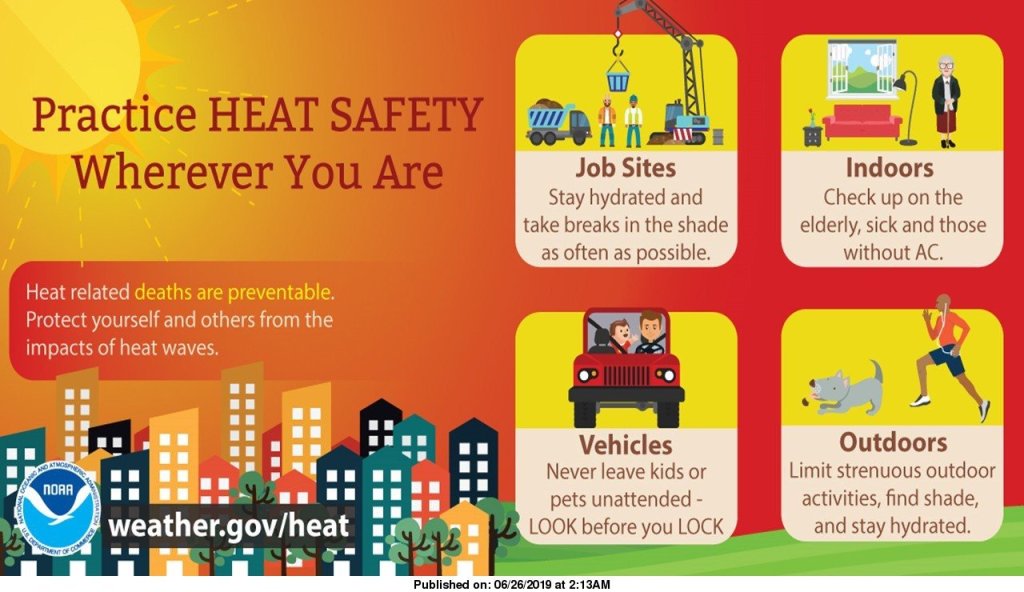
Heat isn’t dramatic. It doesn’t look like an emergency until someone is already in one. That’s the whole point of calling it the invisible storm.
Now you know what to look for.
Links For More Information
Heat Safety Tips And Information – NOAA/National Weather Service
Heat And Health – World Health Organization
Extreme Heat Safety – Ready.gov
Infants And Children And Heat – Centers For Disease Control
Pet Heat Safety – American Red Cross
™ Tornado Quest © 1998‑2026 Tornado Quest, LLC. All Rights Reserved.


You must be logged in to post a comment.