
Merry Christmas and Happy Holidays, everyone! I hope everyone’s holiday season is going well. Winter’s here in the Northern Hemisphere, but you wouldn’t know it by the warm temperatures. So much for a white Christmas.
This week’s roundup isn’t about convincing you to love science, it’s about giving you the tools to outsmart winter, spot hidden risks before they hit, and see the world through a lens that cuts through the noise. Whether you’re a skeptic, a prepper, or just someone who wants to stay one step ahead, here’s what’s inside:
- Winter survival hacks (plus a 2-minute NOAA radio check that could save your life).
- The US Drought Monitor’s latest update on where precipitation shortages are brewing right now.
- Winter weather forecasts, decoded in When Snow Meets Science. No jargon, just what you need to know.
- The Tornado Quest Chronicles: My monthly deep dive into the raw forces shaping our planet (December’s essay drops this week).
- The week’s most essential science stories because knowing these could change how you see (and navigate) the world.
Dive in to the facts to keep you sharp and safe.
- A mysterious ultraviolet glow in the Milky Way could be dark matter (tiny, ultra-dense nuggets of matter and antimatter colliding and flashing light) offering a bold new clue to the universe’s invisible backbone.
- The Atacama Desert, once a Mars-like wasteland, now blooms with rare flowers and mountains of discarded fast fashion, a toxic symbol of how our throwaway clothes are choking the planet.
- Scientists don’t just take claims at face value, they demand hard evidence, constantly question, and double-check, which is why their findings (like those on climate change) are built on facts, not opinions. This matters to you because it’s how we cut through the noise and make decisions based on reality, not just what someone wants you to believe.
- “Ice doesn’t negotiate.” Scientists warn that record breaking ice melt, rising seas, and thawing permafrost are already disrupting lives and economies, yet many politicians still downplay the science to delay action, putting your future, food, and communities at risk.
- After Hurricane Katrina’s devastating floods, New Orleans reimagined water, not as a threat to block, but as a natural asset to welcome, blending Dutch wisdom with local needs to build a safer, more resilient city.
- The world is losing 1,000 glaciers a year, soon to be 3,000, and even if we meet climate goals, nearly 80% could vanish by 2100, erasing iconic landscapes and water sources forever.
- 2025 was a year of climate extremes; record wildfires, deadly floods, and political rollbacks, yet also saw unstoppable progress in clean energy, proving both the urgency and the possibility of change.
- In a move that’s as baffling as it is reckless, the Trump administration is gutting NCAR, the legendary research hub that’s been the backbone of U.S. weather and climate science for over 60 years, because, apparently, understanding the planet is now ‘alarmist.’
- Here’s another take on the jaw-dropping decision to dismantle NCAR, a move that’s as scientifically reckless as it is politically motivated.
- Even if you doubt science’s value, NCAR, the team behind safer flights, accurate storm warnings, and life-saving weather tech, has quietly protected your daily life for decades, proving research isn’t just theory, but the invisible shield keeping you safe.
WHEN SNOW MEETS SCIENCE: WHAT EVERY NON-METEOROLOGIST NEEDS TO KNOW

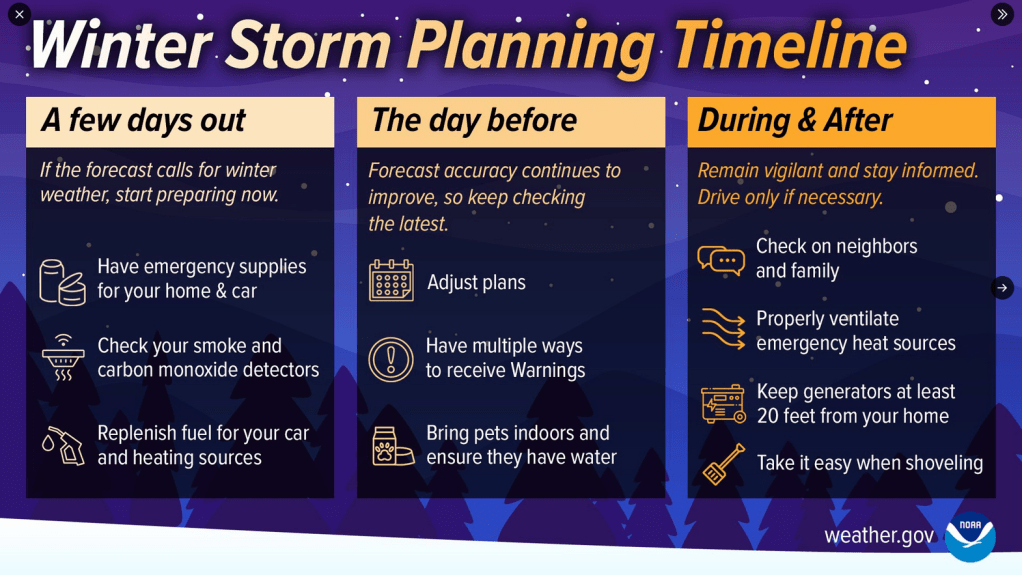
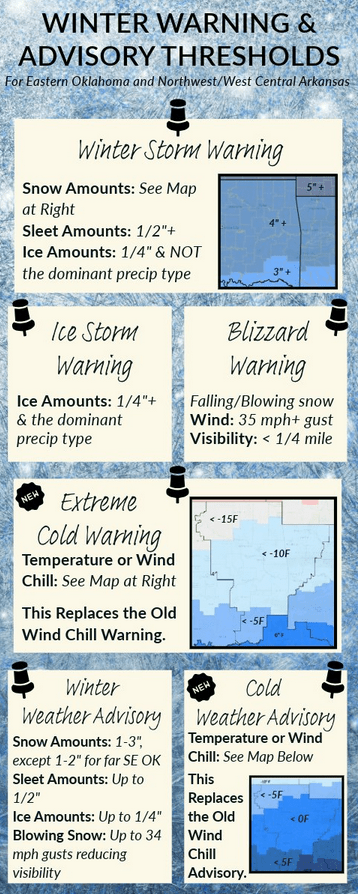
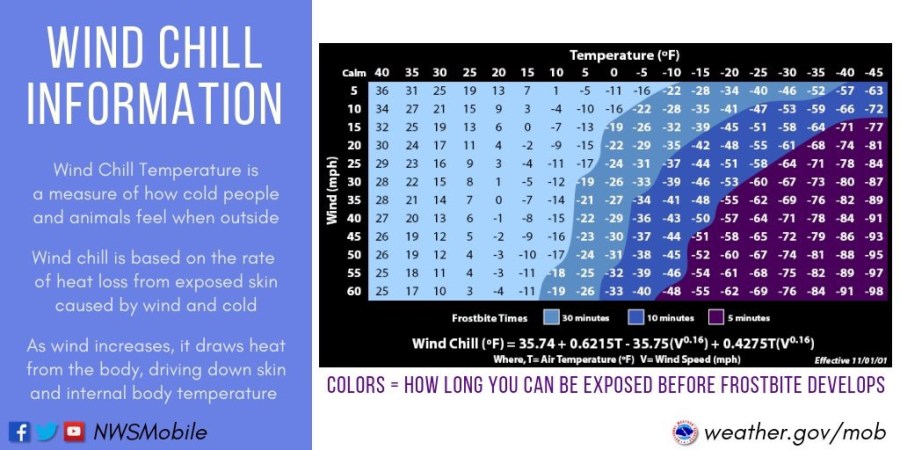
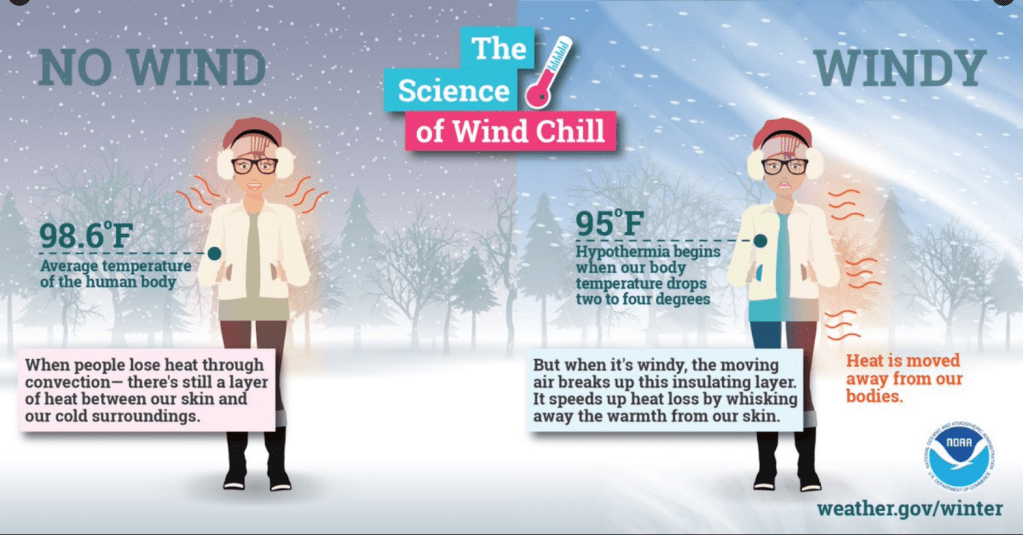
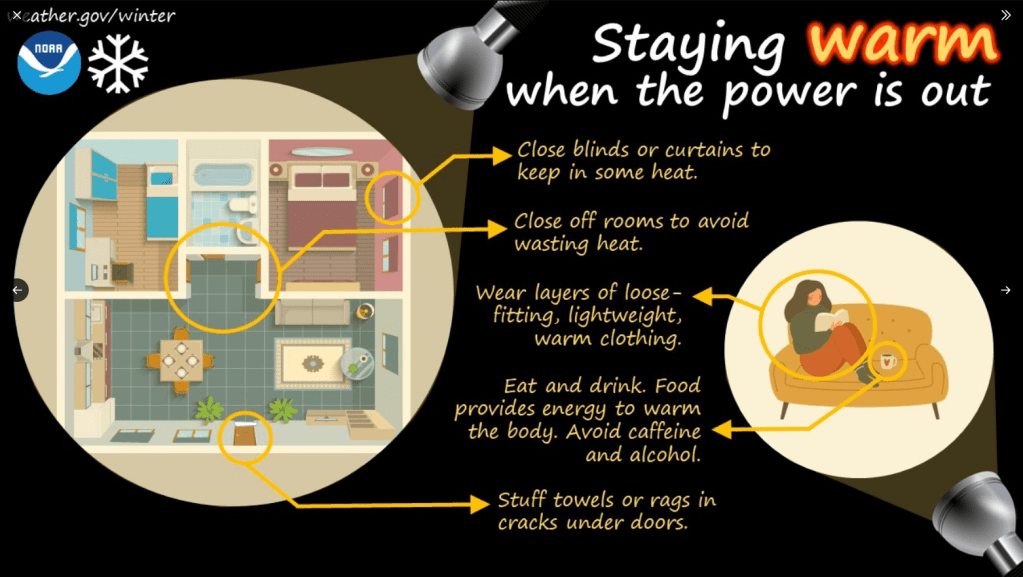
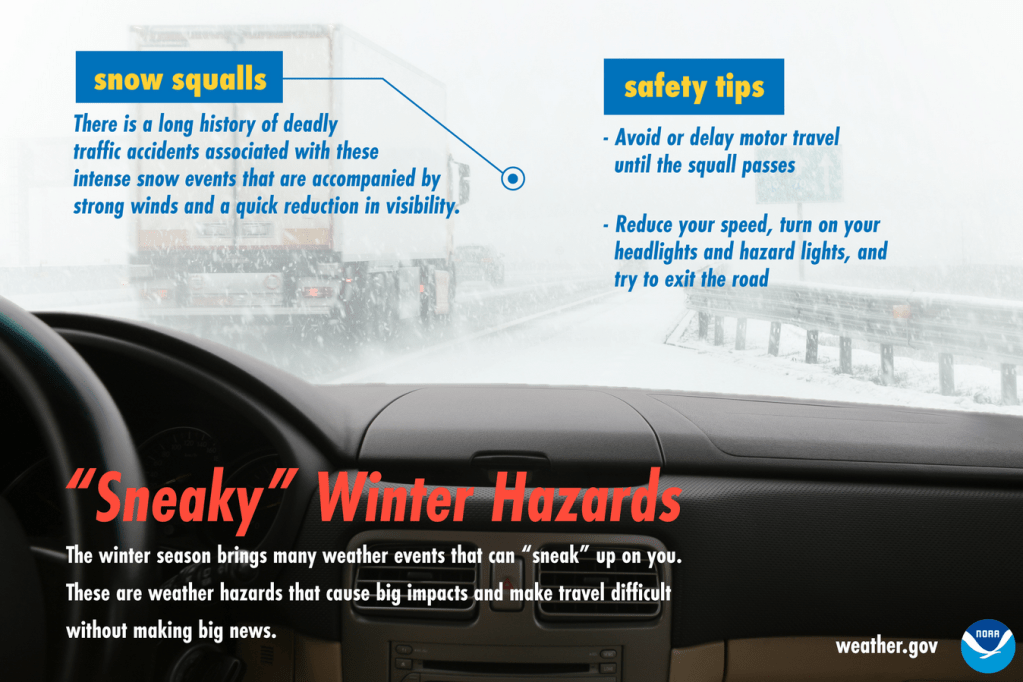
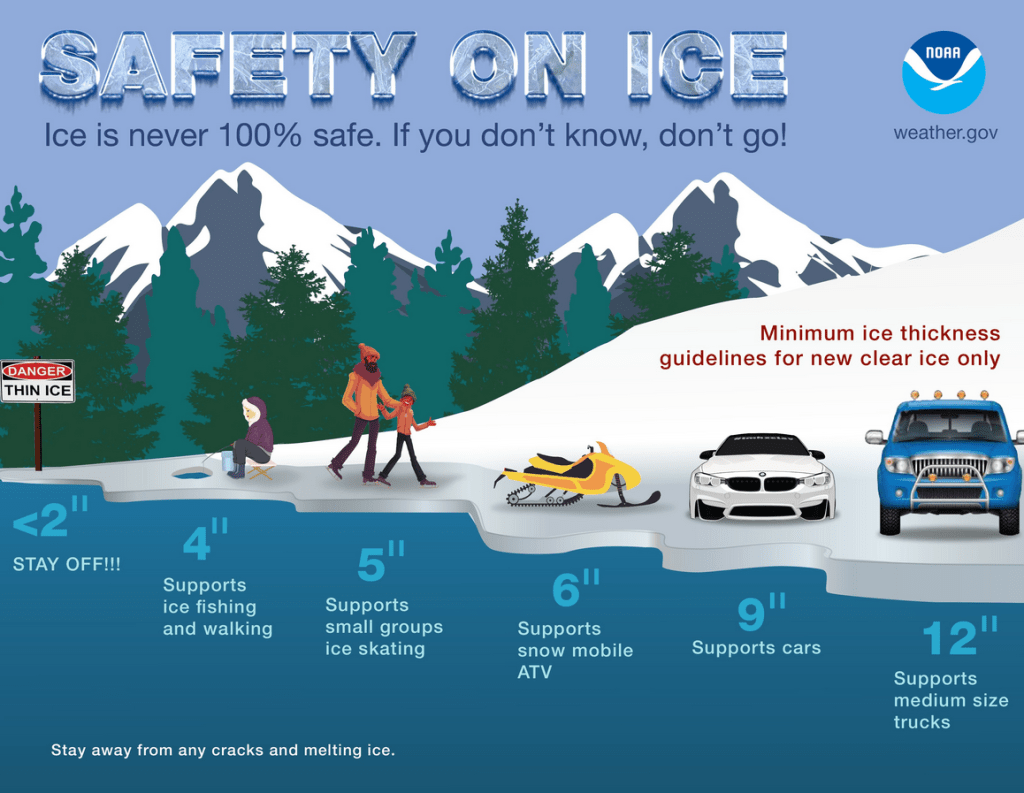
WINTER WEATHER PREPAREDNESS
- Winter has settled in across the Northern Hemisphere. Are you ready? Here’s your winter weather safety and preparedness link. Click here to see a very comprehensive site for all of your winter weather safety info from NOAA’s National Weather Service.



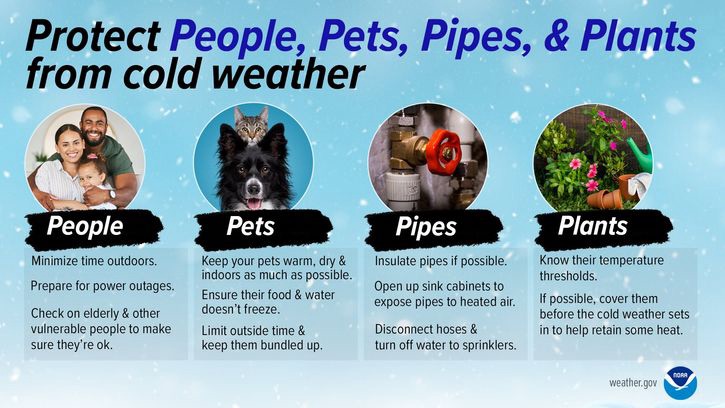

PREPARE YOUR PETS FOR DISASTERS

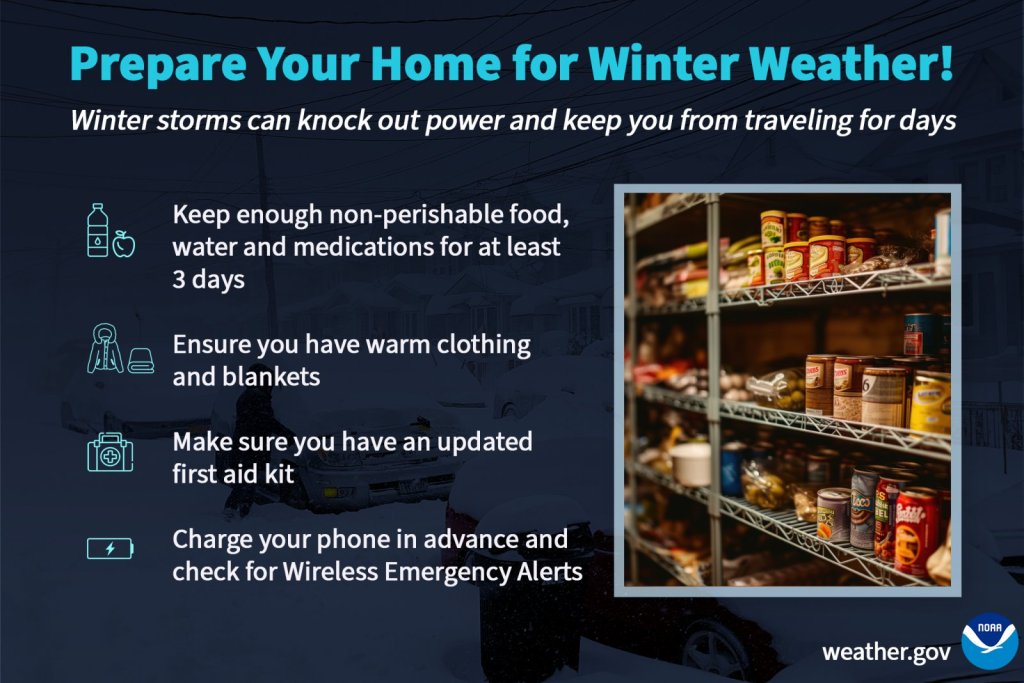
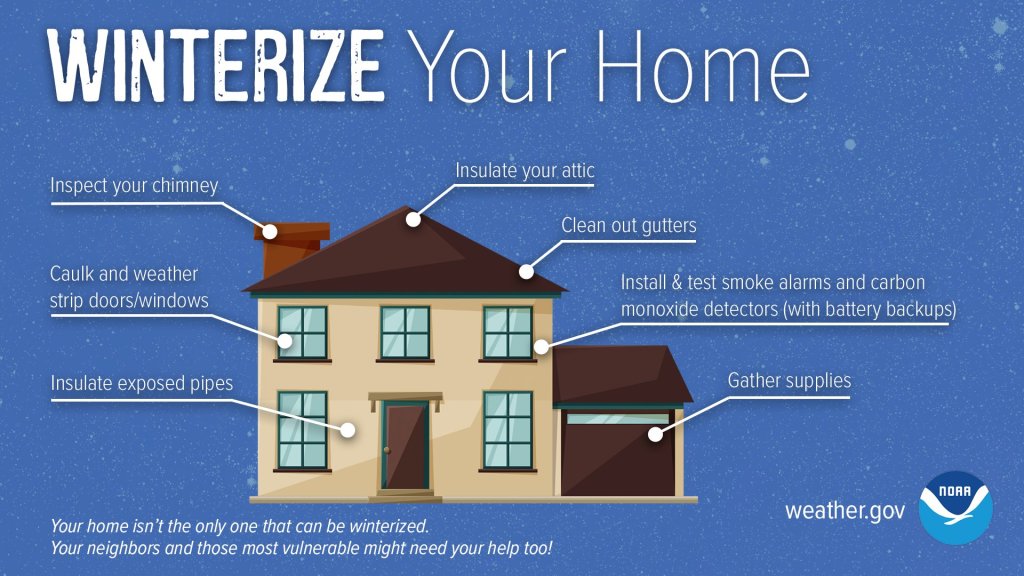

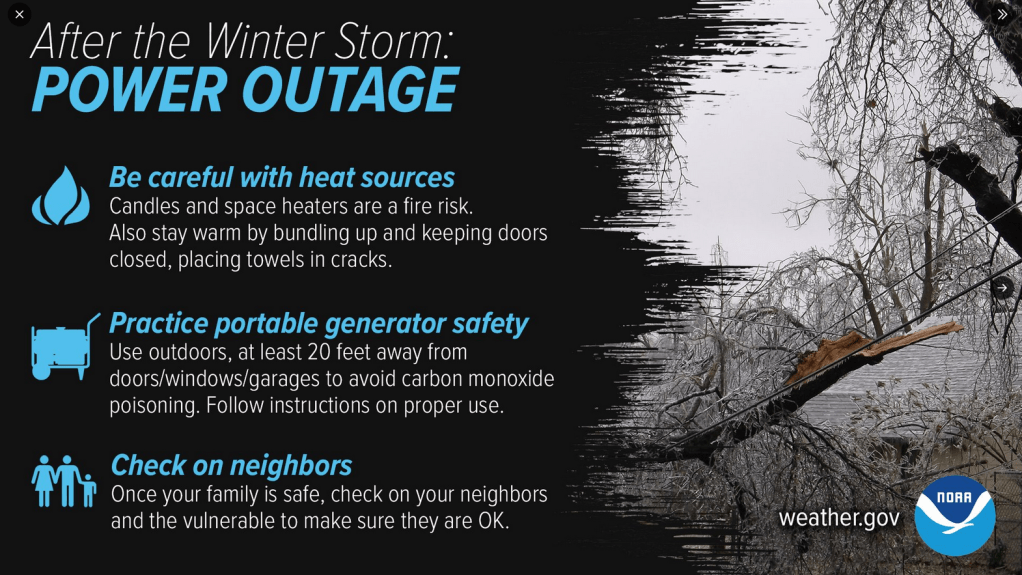

HOW TO BUILD AN EMERGENCY KIT – INFORMATION COURTESY READY.GOV
AMERICAN RED CROSS EMERGENCY CONTACT CARD





US DROUGHT MONITOR
Here’s this week’s US Drought Monitor. This week, the U.S. saw a stark weather divide: the West, especially the Cascades and Rockies, experienced much warmer than normal temperatures and heavy rain or mountain snow, which helped ease drought in the Pacific Northwest and northern Rockies, though snow pack remains below average for mid-December. Meanwhile, the East, particularly the Midwest, shivered under colder than normal conditions, with limited and uneven precipitation that often fell as snow, doing little to relieve dryness. Drought conditions improved in parts of the Southeast thanks to past rainfall, but areas from the southern Plains to the Northeast saw conditions worsen due to ongoing dryness and falling stream flows. The latest fire weather outlooks can be found at the Storm Prediction Center website where they are updated daily.

NOAA WEATHER RADIO
Here’s your weekly reminder to check your NOAA weather radio’s operation and its batteries. NOAA has a comprehensive page on NOAA weather radio…a feature of the National weather Service in the USA that has saved countless lives.

CITIZEN SCIENCE
Citizen science lets everyday people actively shape real research by sharing observations and data. Join now to make a tangible impact, discover new insights, and become part of a global community driving scientific breakthroughs!
- The CoCoRaHS project invites weather enthusiasts to become citizen scientists by submitting daily precipitation reports that support forecasting and climate research even on dry days.
- Another path into becoming a citizen scientist is using the free mPING app! Your weather reports go directly to the National Severe Storms Laboratory in Norman, OK!
That’s a wrap for this week! Thanks for stopping by! See you next Saturday!
™ Tornado Quest © 1998‑2026 Tornado Quest, LLC. All Rights Reserved.
 TORNADO QUEST
You must be logged in to post a comment.