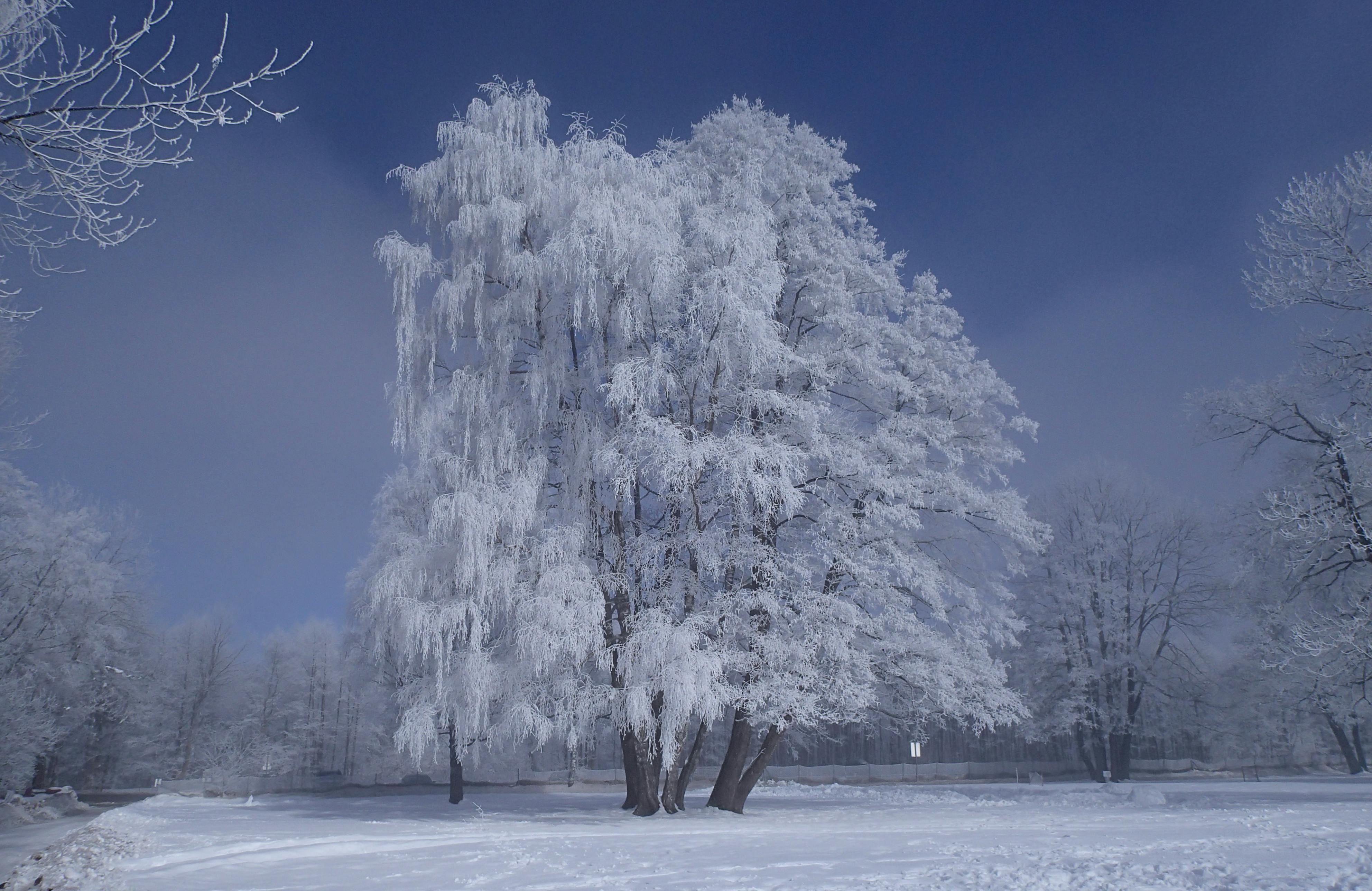
Greetings everyone. Winter is still going strong across North America and the rest of the northern hemisphere. Better prepared than panicked, so check out the Winter Weather Preparedness page for essential tips to keep you and your loved ones safe. If you’d like to learn how winter precipitation forms and why it’s such a challenge for meteorologists to forecast, visit the ‘When Snow Meets Science’ page to uncover the fascinating winter weather secrets few know. Don’t forget to read the latest installment of the Tornado Quest Chronicles and check your NOAA weather radio. And, as always, I’ve curated several thought-provoking reads for this week to keep you informed and inspired. Stay safe, stay warm, and always hungry for knowledge!
- Volcanoes began supercharging Earth’s climate just 100 million years ago when tiny plankton built massive carbon vaults on the seafloor that were later unleashed by volcanic arcs. This shows how even the smallest lifeforms can trigger planet‑shaping forces.
- Glacier tourism is booming as people rush to see disappearing ice, but without careful, community‑focused policies it can worsen climate impacts. Protecting these iconic landscapes now safeguards both our natural heritage and the livelihoods that depend on them.
- This should have never happened. But, considering the powers that be, it should come as no surprise. Once again, they’re cutting off their nose to spite their face…and the future of energy in the USA is at stake.
- The U.S. government is trying to scrap a key rule that labels greenhouse gases as pollutants, which could loosen vehicle emissions and other clean air safeguards. This means the air you breathe and the climate you depend on could become harder to protect.
- The world has already begun to exceed the 1.5 °C warming limit, pushing Earth toward irreversible climate tipping points that threaten food, water, health and safety for everyone. Urgent action now is essential to protect our daily lives and future generations.
- It’s still winter, but summer’s heat will be here before we know it. A new study reveals that a power outage during a heat wave could turn most Austin, Texas homes into life‑threatening ovens for older residents, underscoring the urgent need for better cooling solutions and preparedness to keep you and your loved ones safe.
- New research shows that pregnant women who inhale wildfire smoke, even just a few days during the third trimester, face a noticeably higher risk of having a child later diagnosed with autism, making it vital to protect expectant mothers from smoke to safeguard their children’s future health.
- The USA’s Environmental Protection Agency has made a major rollback and that doesn’t bear well for the USA.
- Despite daunting headlines, advances like returning wildlife, shrinking families, cheap clean energy, reduced material consumption, and empowered local communities mean the planet’s outlook is improving. Everyday choices and support for these trends can help ensure a healthier environment and a more sustainable future for us all.
- Even though scientists can flag heightened severe weather events many days ahead, warning systems that wait for absolute certainty often delay action, turning preventable disasters into costly surprises. Recognizing and acting on probabilistic forecasts is crucial for protecting lives, homes and economies.
WHEN SNOW MEETS SCIENCE: WHAT EVERY NON-METEOROLOGIST NEEDS TO KNOW

WINTER WEATHER PREPAREDNESS
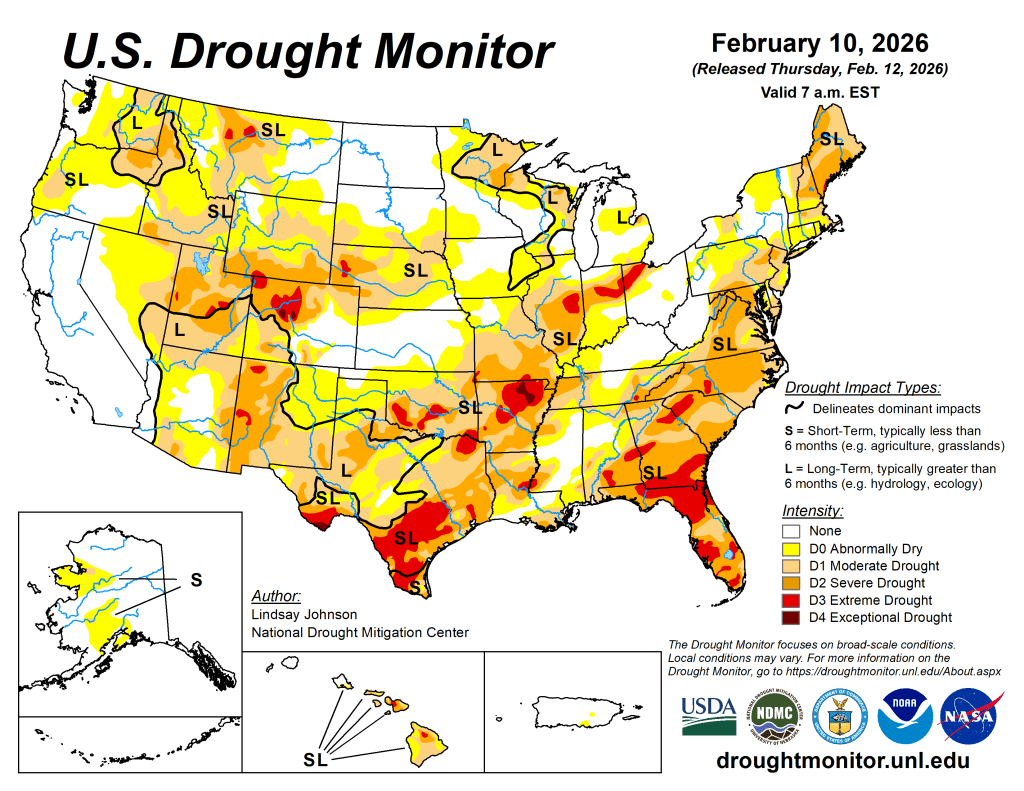
US DROUGHT MONITOR
Here’s this week’s US Drought Monitor. This week most of the Lower 48 and Alaska saw worsening drought‑related conditions. Hotter than normal weather persisted in the West, colder than normal but dry weather continued in the East, expanding precipitation deficits are widespread, low snow pack, drying soils, low stream flows, and rising fire dangers are common place. Everyday activities like farming, water use, and outdoor recreation face tighter water supplies, higher fire risk, and tougher living conditions. The latest fire weather outlooks can be found at the Storm Prediction Center website where they are updated daily.
NOAA WEATHER RADIO
Here’s your weekly reminder to check your NOAA weather radio’s batteries, programming, settings, and reception. NOAA has a comprehensive page on NOAA weather radio…a feature of the National weather Service in the USA that has saved countless lives.

CITIZEN SCIENCE
Citizen science lets everyday people actively shape real research by sharing observations and data. Join now to make a tangible impact, discover new insights, and become part of a global community driving scientific breakthroughs!
- The CoCoRaHS project invites weather enthusiasts to become citizen scientists by submitting daily precipitation reports that support forecasting and climate research even on dry days.
- Another path into becoming a citizen scientist is using the free mPING app! Your weather reports go directly to the National Severe Storms Laboratory in Norman, Oklahoma!
That’s a wrap for this week! Thanks for stopping by! See you next Saturday!
™ Tornado Quest © 1998‑2026 Tornado Quest, LLC. All Rights Reserved.
 TORNADO QUEST
You must be logged in to post a comment.