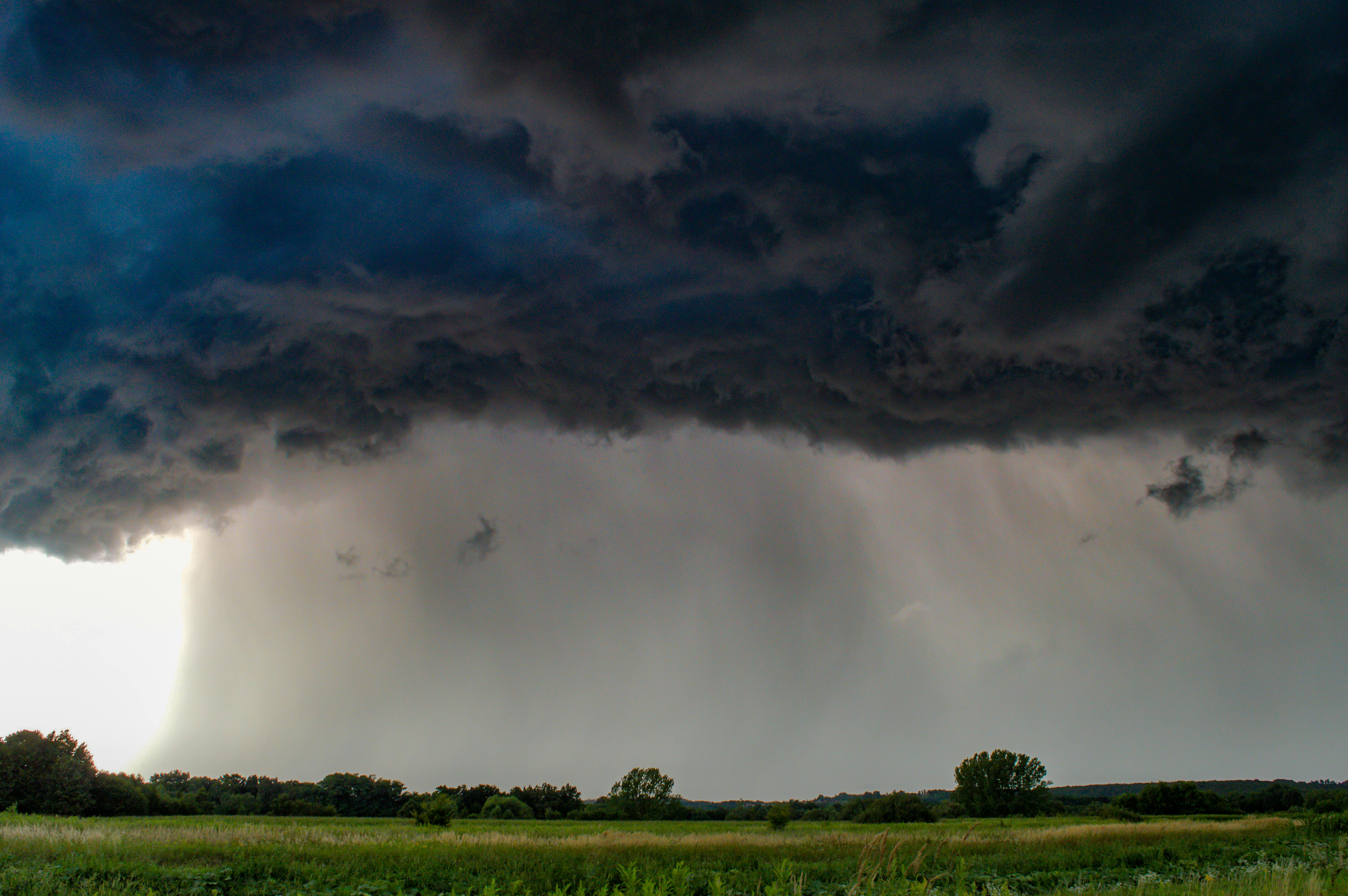
Greetings everyone. The severe weather season across the USA has arrived in full force. Several tornado days, some with fatalities, have taken place. While it’s quiet, now’s the time to prepare. Check out the Severe Weather Preparedness And Tornado Safety page for a wealth of very important information. Be sure to read the latest installment of the Tornado Quest Chronicles for a look back at an unusual winter. I’ve curated several thought-provoking articles for this week to keep you informed and inspired. Settle in for some good reads, brush up on your severe weather and tornado safety information, and keep that hunger for knowledge going strong.
- Here’s one less thing for us to worry about. NASA has officially ruled out an asteroid hitting the Earth’s moon.
- NOAA just sounded the alarm. A powerful El Niño could emerge by late 2026, threatening to shatter heat records and reshape global weather patterns.
- For more technical details on El Niño, the ocean temperatures, and model forecasts, check out the full Climate Prediction Center diagnostic discussion.
- While microplastics are indeed found throughout our environment and even in human bodies, the alarming claim that we each consume a credit card’s worth weekly is false, and the actual health risks remain uncertain pending more rigorous research.
- A global study found 58% of people worldwide prioritize protecting the environment over economic growth. This means there’s widespread public backing for climate policies that put planetary health ahead of GDP, not just activist demands.
- Tall, densely packed skyscrapers in cities can increase local cloud cover at night, potentially affecting rainfall, urban heat, and even the efficiency of rooftop solar panels. This shows how city design subtly shapes both the weather and daily life above our heads.
- Heat and humidity are now making it unsafe for millions of older adults to do everyday outdoor tasks compared to 50 years ago.
- Global warming isn’t just getting worse, it’s speeding up. That means heatwaves, storms, and rising costs will hit harder and sooner than expected, directly impacting your health, wallet, and daily life.
- On the other hand, there are other climate scientists who know warming is getting worse, but disagree at the rate of warming. Having said that, this is all a part of how science works and is so different from any other field of study.
- ICYMI: Nine US states shattered heat records in the 2025-2026 winter while none broke cold ones. That’s a shift that’s already driving up wildfire risks and insurance costs for everyone, no matter where you live.
- Last but not least, if you live in the USA, you need to check out NOAA’s 2026 Spring Outlook No matter where you live in the 50 states, there’s something here for you.
SEVERE WEATHER AND TORNADO SAFETY AND PREPAREDNESS
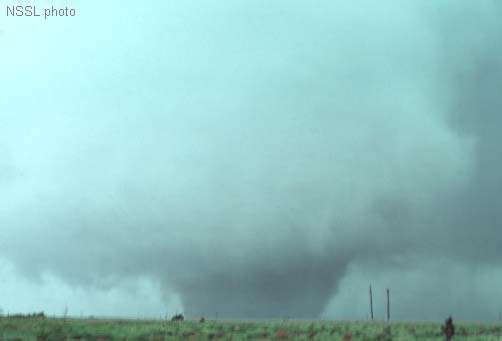
Photo courtesy NSSL
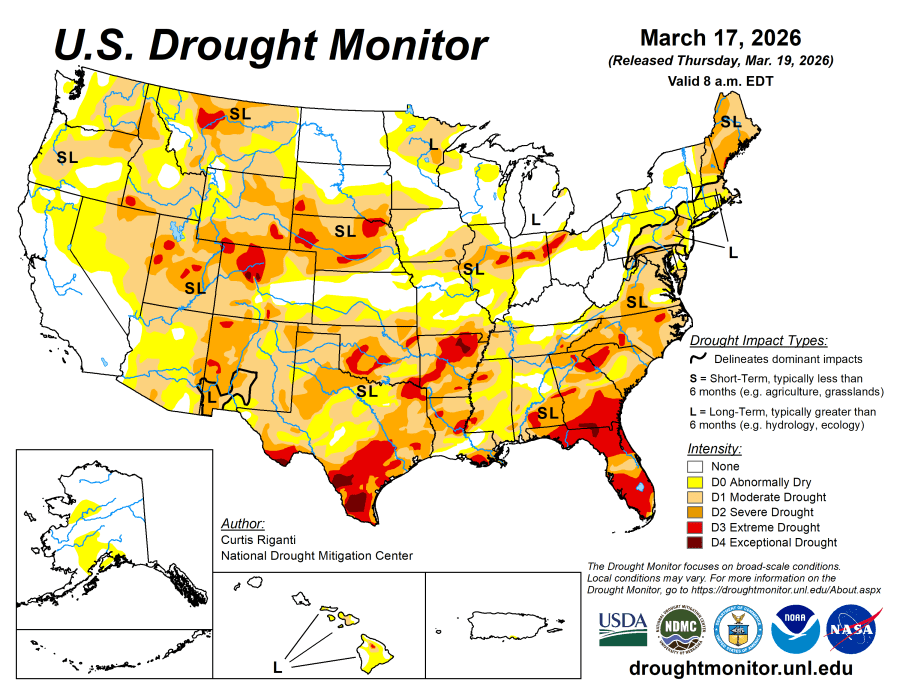
US DROUGHT MONITOR
This week, a major storm system swept from the Great Plains to the Great Lakes, delivering heavy rain and thunderstorms across the Midwest while dumping historic snowfall on northern Wisconsin and Michigan. The storm helped ease drought conditions in parts of the Midwest and Northeast, and Hawaii received welcome rainfall that improved local drought. However, much of the Southwest and central plains remained dry and warm, causing drought conditions to worsen in states like Arizona, New Mexico, and Nebraska. Looking ahead, warmer-than-average temperatures are expected across the West and South, while the northern and eastern U.S. should see cooler weather. Rain is forecast for the Pacific Northwest and parts of the Northeast, but the Great Plains and Desert Southwest will likely stay dry, continuing their struggle with water shortages. NOAA’s US Drought Monitor website has the full regional details. The latest daily fire weather outlooks can be found at the Storm Prediction Center website.
NOAA WEATHER RADIO
Here’s your weekly reminder to check your NOAA weather radio’s batteries, programming, settings, and reception. NOAA has a comprehensive page on NOAA weather radio…a feature of the National weather Service in the USA that has saved countless lives.

CITIZEN SCIENCE
Citizen science lets everyday people actively shape real research by sharing observations and data. Join now to make a tangible impact, discover new insights, and become part of a global community driving scientific breakthroughs!
- The CoCoRaHS project invites weather enthusiasts to become citizen scientists by submitting daily precipitation reports that support forecasting and climate research even on dry days.
- Another path into becoming a citizen scientist is using the free mPING app! Your weather reports go directly to the National Severe Storms Laboratory in Norman, Oklahoma!
That’s a wrap for this week! Thanks for stopping by! See you next Saturday!
™ Tornado Quest © 1998‑2026 Tornado Quest, LLC. All Rights Reserved.
 TORNADO QUEST
You must be logged in to post a comment.