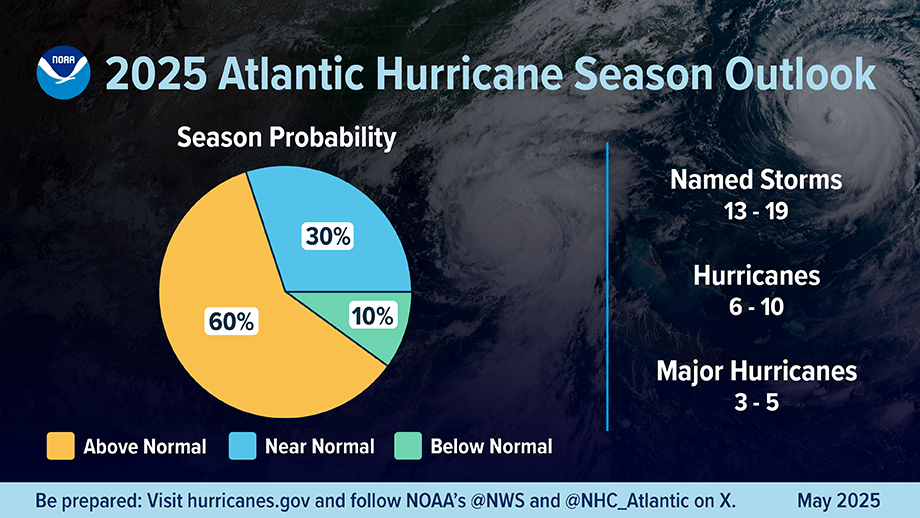
Greetings to all. The beginning of June means the start of the official Atlantic hurricane season. We’ll touch on that with some helpful infographics this week along with severe weather and tornado safety information. As usual, I’ve got good science reads, the updated weekly US Drought Monitor, and the all important reminder to check your NOAA weather radio. Let’s get started.
- Now that COVID had become endemic, people (including yours truly) have found the annual vaccination essential to good health. Recent changes have thrown that assurances of maintaining good health into the gutter.
- This is an interesting read for anyone living in areas prone to earthquakes. The small earthquakes that are often barely noticed can have an effect on larger earthquakes in the long run.
- Staying with earthquakes for a bit, here’s an interesting read on why some of the worlds most notorious faults, including California’s San Andreas fault, are overdue for what they are best known for.
- Now that the USA’s National Weather Service is suffering through an uncalled for staffing shortage, future forecasts and updated data and websites are in peril. Is the NWS prepared for the 2025 Atlantic hurricane season and a blistering hot summer?
- Many of us enjoy sunsets year round. However, some of the winter sunsets are more visually spectacular than other seasons. Here’s why.
- The Atlantic hurricane season officially began on 1 June 2025. Here is a very comprehensive overview from NOAA of the season ahead and what is expected.
- This is an excellent video from the National Weather Service in Norman, OK on seasonal readiness for severe weather and tornadoes. It goes into extensive detail on many facets of severe weather forecasting that will help many folks increase their appreciation of just how hard the task of a meteorologist is and the lengths they go to in order to make their forecasts easy for the general public to understand.
- Are you interested in weather? Would you like to be a citizen scientist? Check out the CoCoRaHS project! Your daily precipitation reports, even when no precipitation has occurred, are part of very important weather data forecasting models and data archives! Every single daily report counts!
- Another way you can help with weather reports as a citizen scientist is with the free mPING app! Your reports go directly to the National Severe Storms Laboratory in Norman, OK!
- Here’s your weekly reminder to check your NOAA weather radio’s operation and its batteries. NOAA has a comprehensive page on NOAA weather radio…a feature of the National weather Service in the USA that has saved countless lives.

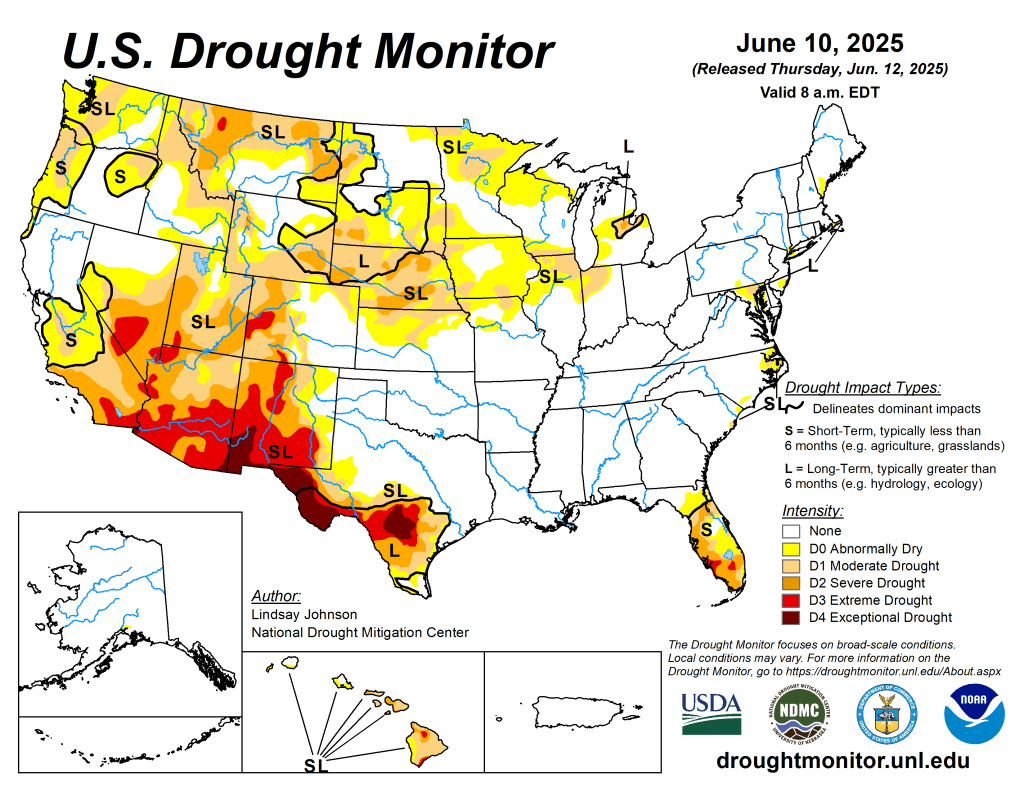
- Here’s the latest update on the US Drought Monitor. Across much of the contiguous USA, drought conditions have improved significantly across the east coast, deep south, and parts of the southern plains. The latest fire weather outlooks can be found at the Storm Prediction Center website where they are updated daily.
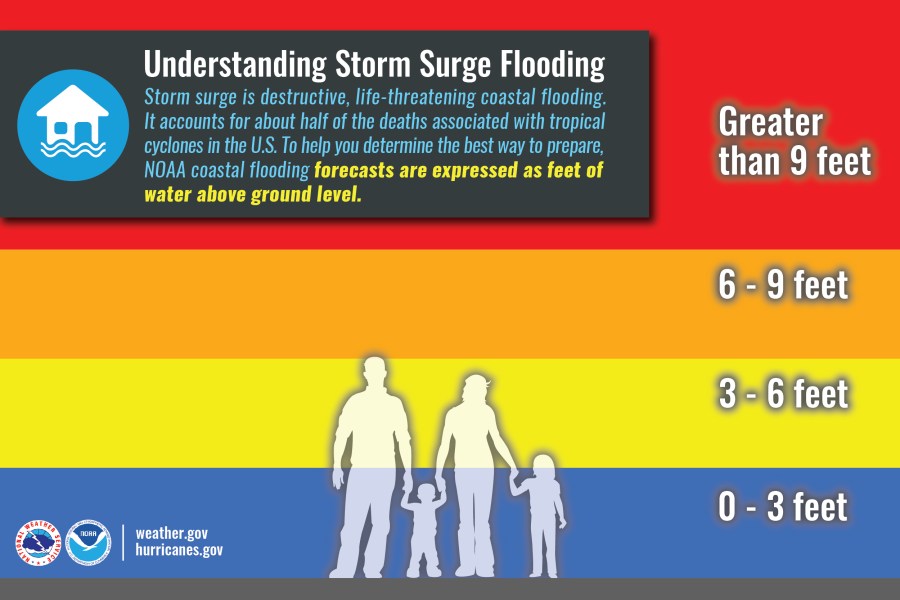
HURRICANE PREPAREDNESS
HURRICANE PREPAREDNESS FROM NOAA
HURRICANE PREPAREDNESS FROM RED CROSS
PREPARE YOUR PETS FOR DISASTERS
THE SAFFIR-SIMPSON HURRICANE WIND SCALE

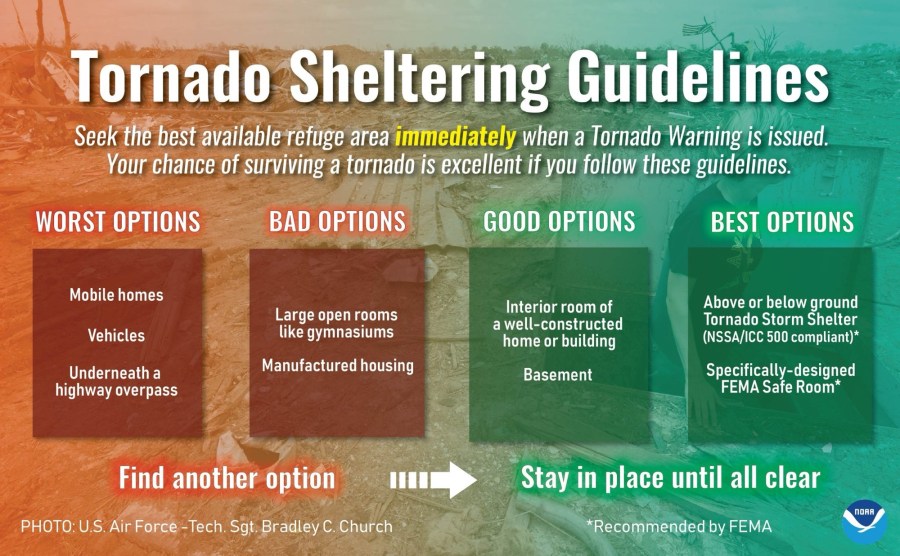
SEVERE WEATHER SAFETY
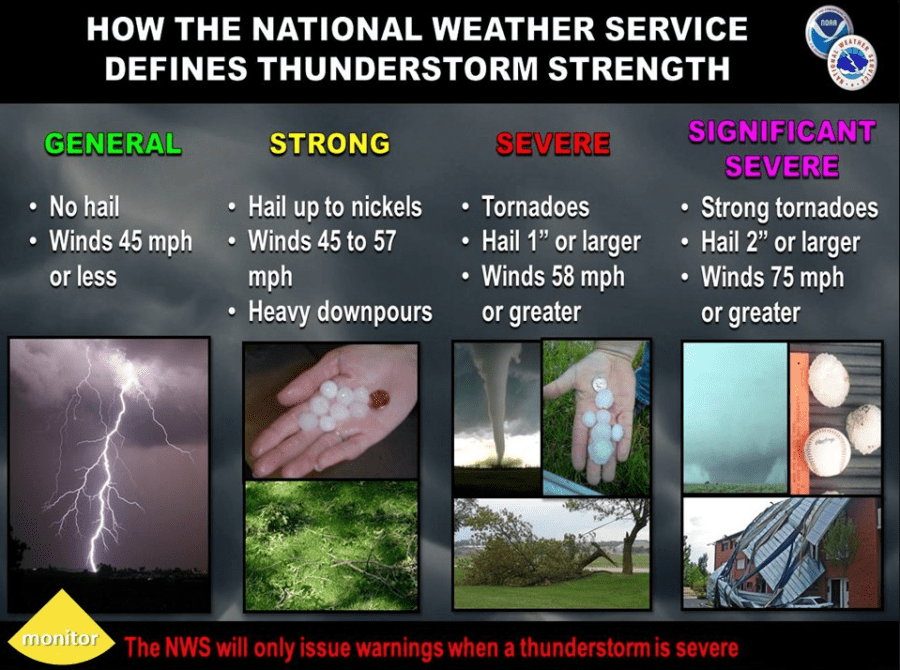
THUNDERSTORMS, TORNADOES, AND LIGHTNING…NATURES MOST VIOLENT STORMS
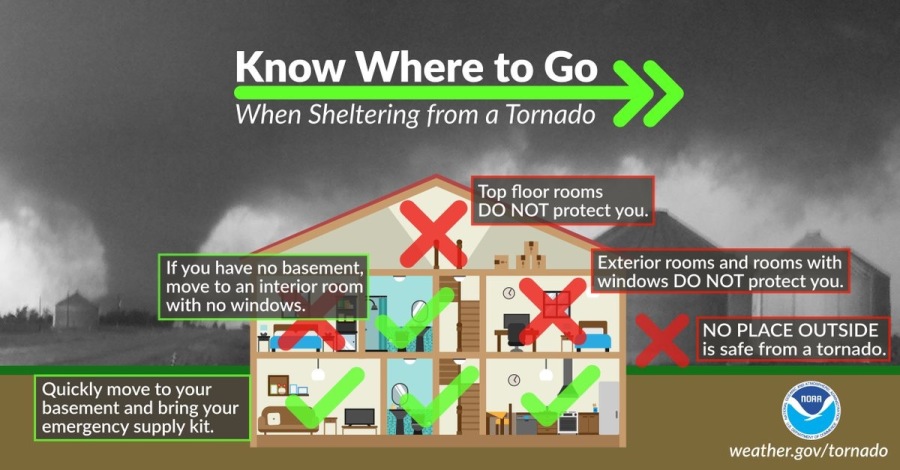
TORNADO SAFETY FROM NOAA’S STORM PREDICTION CENTER
THE MOST FREQUENTLY ASKED QUESTIONS ABOUT TORNADOES FROM NOAA’S STORM PREDICTION CENTER
HOW TO BUILD AN EMERGENCY KIT – INFORMATION COURTESY READY.GOV



That’s a wrap for this week! Thanks for stopping by! See you next Saturday!
Copyright © 2025 Tornado Quest, LLC. All Rights Reserved.
 TORNADO QUEST
You must be logged in to post a comment.