
As the calm after Hurricane Erin lingers temporarily, the Atlantic’s peak season still looms, making now the perfect moment to arm yourself with the hurricane‑prep playbook you hope you’ll never need. I’ve also got the latest U.S. Drought Monitor, essential summer‑heat safety tips, a crucial reminder to test your NOAA weather radio (it could literally save your life), and a curated set of thought‑provoking reads to keep you informed and inspired. Let’s get started.
- A new study finds that both echo‑chamber dynamics on social media and belief‑confirming search‑engine use intensify societal polarization, but a modest adjustment to search algorithms could broaden users’ exposure to diverse viewpoints.
- Two EPA and DOE documents attempting to overturn the established danger of climate change were riddled with errors, bias and distortions – a sophomoric, anti‑science effort that should come as no surprise.
- Claims that wind turbines are a “con job” reflects a broader, historically rooted conspiracy narrative that links renewable‑energy opposition to deep‑seated anxieties about governmental control, fossil‑fuel nostalgia, and societal change, which research shows are resistant to factual correction.
- A glacial lake outburst flood (GLOF) in Juneau, Alaska, triggered by climate‑driven glacier retreat that creates an ice‑dammed lake whose rising water forces an opening beneath the glacier, has forced evacuations as floodwaters surge through the town.
- Twenty years has passed since Hurricane Katrina devastated portions of the USA. What have we learned about how to handle a significant land-falling hurricane of that intensity since 2005?
- Accumulating exposure to sweltering heatwaves speeds biological aging, a link confirmed by multiple international studies, underscoring the urgent need to protect personal and community health.
- NOAA forecasts give La Niña roughly a 53 % chance of developing this fall (58 % by year‑end); read how this will directly affect you as it persists through winter into spring and changes your temperature and precipitation patterns.
HURRICANE PREPAREDNESS
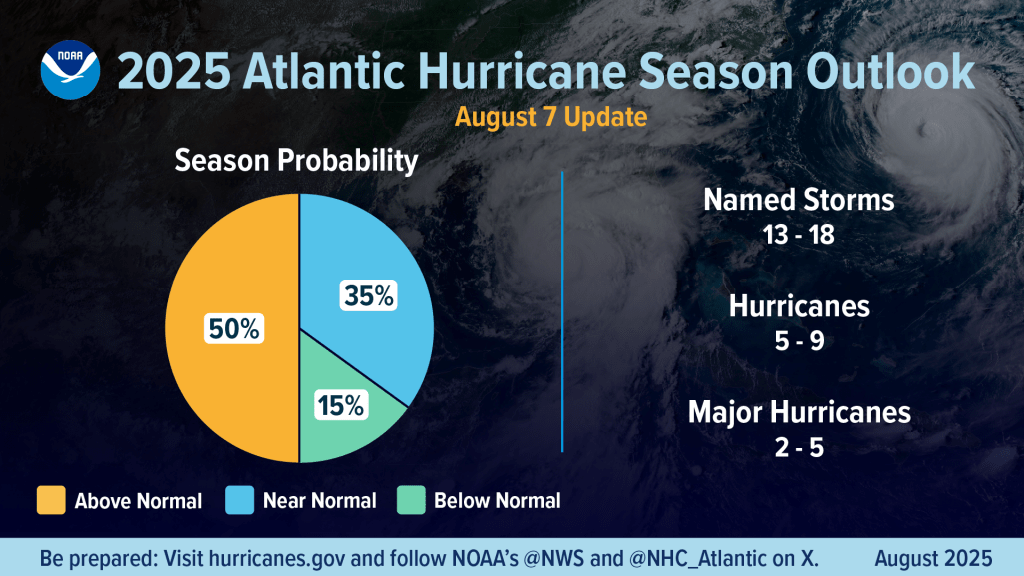
Complacency kills. Mother Nature doesn’t check your calendar. Prepare early, stay vigilant, and protect what matters most.
NOAA’s updated 2025 Atlantic Hurricane Season Outlook predicts 13-18 named storms, including 5-9 hurricanes and 2-5 major hurricanes, with a 50% chance of above-normal activity.
HURRICANE PREPAREDNESS FROM NOAA
HURRICANE PREPAREDNESS FROM RED CROSS
PREPARE YOUR PETS FOR DISASTERS
HOW TO BUILD AN EMERGENCY KIT – INFORMATION COURTESY READY.GOV
THE SAFFIR-SIMPSON HURRICANE WIND SCALE

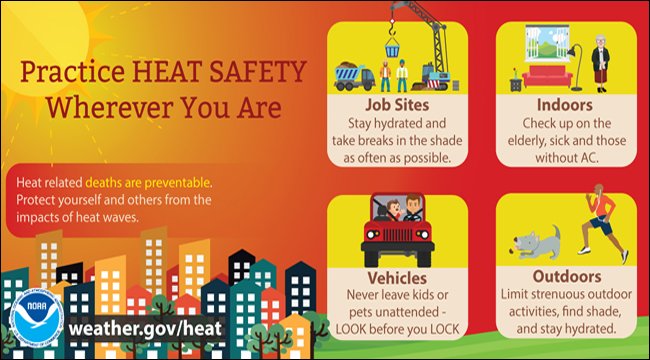
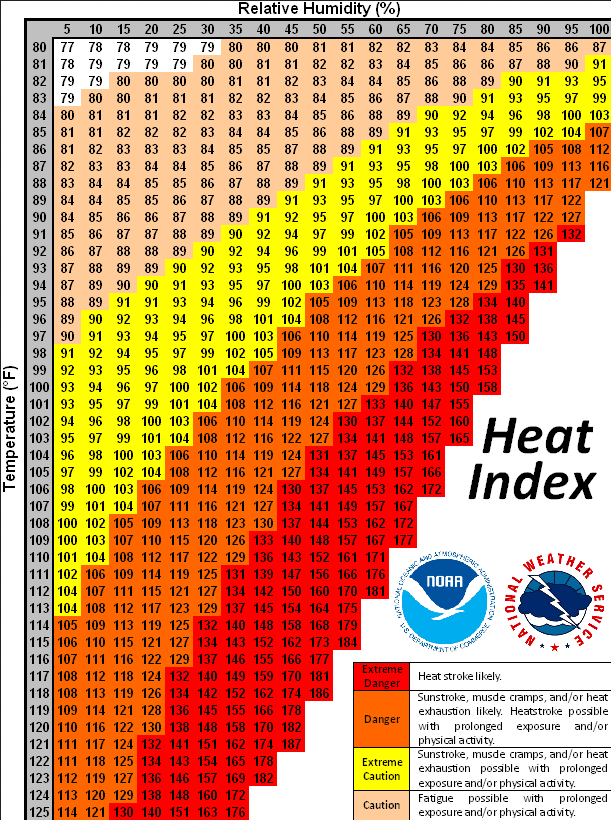
SUMMER HEAT SAFETY
THE BEACH AND SUN: SUMMER SAFETY TIPS FROM NOAA


NOAA WEATHER RADIO
Here’s your weekly reminder to check your NOAA weather radio’s operation and its batteries. NOAA has a comprehensive page on NOAA weather radio…a feature of the National weather Service in the USA that has saved countless lives.

US DROUGHT MONITOR
Here’s the latest update on the US Drought Monitor. Hurricane Erin brushed 200 mi east of North Carolina’s Outer Banks on August 21, bringing gusty winds, dangerous surf and higher tides to the Atlantic coast while the rest of the U.S. experienced mixed conditions; patchy rain and moist soils in the Upper Midwest and Plains, drying trends and cooling air across the central‑eastern regions, and hot, dry weather in the West that later shifted to scattered showers. The latest fire weather outlooks can be found at the Storm Prediction Center website where they are updated daily.

CITIZEN SCIENCE
- The CoCoRaHS project invites weather enthusiasts to become citizen scientists by submitting daily precipitation reports that support forecasting and climate research even on dry days.
- Another path into becoming a citizen scientist is using the free mPING app! Your weather reports go directly to the National Severe Storms Laboratory in Norman, OK!
That’s a wrap for this week! Thanks for stopping by! See you next Saturday!
Copyright © 2025 Tornado Quest, LLC. All Rights Reserved.
 TORNADO QUEST
You must be logged in to post a comment.