
The Atlantic hurricane season is still at its peak and the past week has been very active. Humberto and Imelda may not be front and center, but there’s several weeks left in the season. Now’s the time to prepare for a hurricane, test your NOAA weather radio, and stay informed with the latest forecasts from the National Hurricane Center. This week’s USA drought map has very mixed results. There’s also plenty of thought provoking reading material, so let’s get started.
- This is one of the most amazing astronomy maps I’ve ever seen.
- Yes, even planets can get a little…gassy.
- Plastic’s convenience comes at a cost. Its improper disposal can threaten both human health and the planet. A new, thorough study reveals that plastic contamination can pervade a region’s waters, vegetation, and wildlife.
- China pledged at the UN Climate Summit to cut its greenhouse‑gas emissions by 7‑10 % from peak levels by 2035, a move that could critically shape global climate outcomes given its status as the world’s largest emitter.
- Scientists warn that a rapid, unprecedented decline in Antarctic sea ice since 2016, now hitting record lows, may signal a climate tipping point driven by human‑induced ocean warming.
- AI may be helpful in some weather forecasting applications, but it will be many, many years before it will be practical, accurate, and beneficially useful for anything other than simple “calculator” tasks.
- The changing of the seasons has come to pass around our planet with autumn settling in for the Northern Hemisphere or spring south of the equator. You’ve heard the terms equinox and solstice used, but what do they mean and how will they affect you?
- Do you live in or visit California often? That USA state faces a new normal of extreme weather swings driven by climate change linked variability and an emerging La Niña pattern.
- What happens when two hurricanes get close to one another? Something very interesting. Check it out.
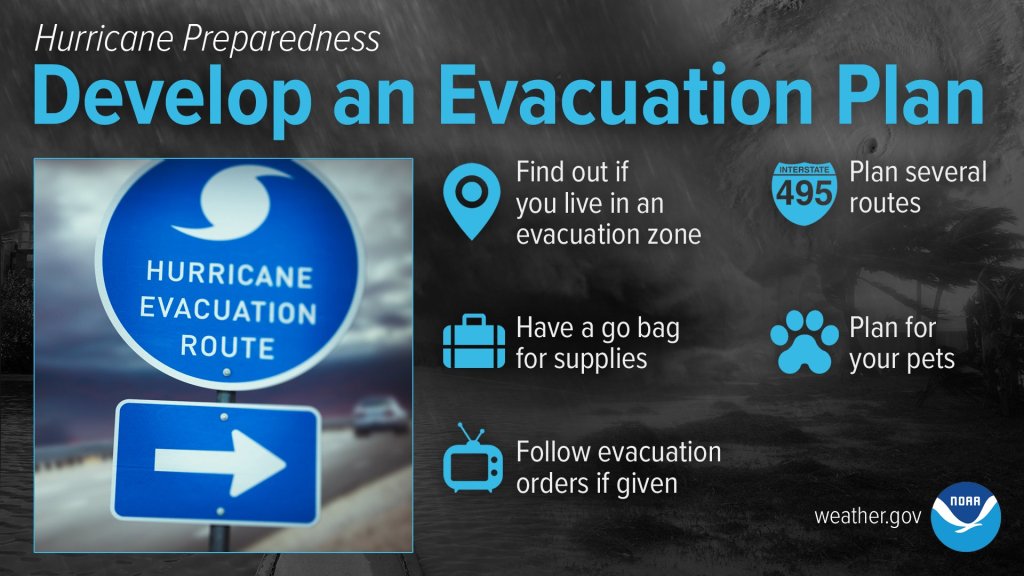
- The Atlantic has been busy as of late with Humberto and Imelda a stark reminder that this has been an active season that’s far from over. Here’s a concise read on hurricane prep that’s a good first step. Check out the more detailed hurricane preparedness information below.
HURRICANE PREPAREDNESS
Complacency kills. Mother Nature doesn’t check your calendar. Prepare early, stay vigilant, and protect what matters most.

NOAA’s updated 2025 Atlantic Hurricane Season Outlook still predicts 13-18 named storms, including 5-9 hurricanes and 2-5 major hurricanes, with a 50% chance of above-normal activity. We’ve still many weeks of the Atlantic hurricane season to go. It only takes one land-falling storm to make for devastating, and deadly, season.
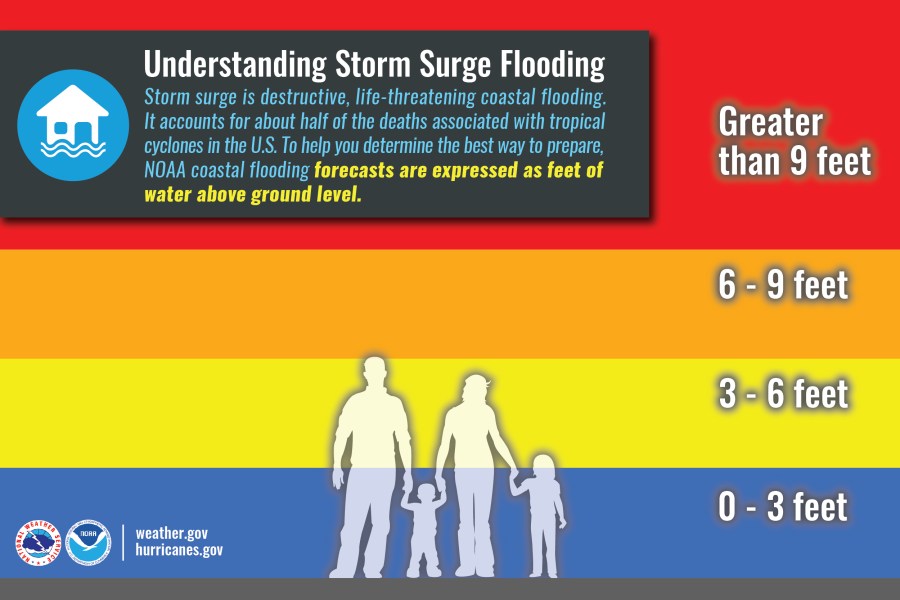
HURRICANE PREPAREDNESS FROM NOAA
HURRICANE PREPAREDNESS FROM RED CROSS
AMERICAN RED CROSS EMERGENCY CONTACT CARD
PREPARE YOUR PETS FOR DISASTERS
HOW TO BUILD AN EMERGENCY KIT – INFORMATION COURTESY READY.GOV
THE SAFFIR-SIMPSON HURRICANE WIND SCALE

NOAA WEATHER RADIO
Here’s your weekly reminder to check your NOAA weather radio’s operation and its batteries. NOAA has a comprehensive page on NOAA weather radio…a feature of the National weather Service in the USA that has saved countless lives.

US DROUGHT MONITOR
Here’s this week’s update on the US Drought Monitor. Widespread rains eased drought in parts of the South and Northeast, but many regions, including much of the Midwest, Great Plains, and New England, remained abnormally dry amid above‑normal temperatures, while flash drought intensified in the Southeast and certain areas of the Northwest continued to improve. The latest fire weather outlooks can be found at the Storm Prediction Center website where they are updated daily.

CITIZEN SCIENCE
Citizen science lets everyday people actively shape real research by sharing observations and data. Join now to make a tangible impact, discover new insights, and become part of a global community driving scientific breakthroughs!
- The CoCoRaHS project invites weather enthusiasts to become citizen scientists by submitting daily precipitation reports that support forecasting and climate research even on dry days.
- Another path into becoming a citizen scientist is using the free mPING app! Your weather reports go directly to the National Severe Storms Laboratory in Norman, OK!
That’s a wrap for this week! Thanks for stopping by! See you next Saturday!
Copyright © 2025 Tornado Quest, LLC. All Rights Reserved.
 TORNADO QUEST
You must be logged in to post a comment.