
The Atlantic hurricane season is far from over. There’s several weeks left in the season. Regardless of the quiet, now’s the time to prepare for a hurricane, test your NOAA weather radio, and stay informed with the latest forecasts from the National Hurricane Center. This week’s USA drought map has very mixed results. There’s also plenty of thought provoking reading material, so let’s get started.
- Black hole researchers are now poised to determine whether singularities truly exist, or if new physics replaces them, potentially reshaping our fundamental understanding of the cosmos.
- The Pentagon reports the National Guard has logged over 400,000 service days per year, about 1,100 troops daily, responding to U.S. natural disasters, its first public accounting of that burden.
- Dust devils are not unique to our planet. In fact, on one of our closest neighbors, their presence reveals fascinating secrets.
- Ice is rock solid, right? Molecular‑scale movies reveal that ice crystals formed from freezing water are unexpectedly flexible, shedding light on how structural defects and trapped bubbles affect ice stability.
- While most forest‑based carbon‑credit projects have modest albedo impacts, about 10 % could unintentionally warm the climate, prompting researchers to recommend integrating albedo accounting into crediting protocols.
- Researchers concluded that none of some proposed geoengineering schemes devised to protect polar ice are viable and could trigger harmful climate and ecosystem side effects.
- Most Americans misjudge personal climate impacts, overestimating low‑carbon actions like recycling while underestimating high‑impact behaviors such as flying, eating meat, and owning a dog.
- An unexpected blizzard can be troublesome, but on Mount Everest, it can be potentially deadly.
- The unprecedented Pacific “blob” heat wave is already reshaping West Coast weather and, alongside La Niña, is set to drive a wetter, milder, and more variable U.S. winter.
- This is a re-post of a link from August, but it’s worth revisiting. Hurricane Katrina (August, 2005) flooded 80% of New Orleans, killed over 1,800 people, and caused $125 billion in damages, and exposed FEMA’s woeful, slow disaster response. Twenty years later, are we better prepared?
HURRICANE PREPAREDNESS
Complacency kills. Mother Nature doesn’t check your calendar. Prepare early, stay vigilant, and protect what matters most.

NOAA’s updated 2025 Atlantic Hurricane Season Outlook still predicts 13-18 named storms, including 5-9 hurricanes and 2-5 major hurricanes, with a 50% chance of above-normal activity. We’ve still many weeks of the Atlantic hurricane season to go. It only takes one land-falling storm to make for devastating, and deadly, season.
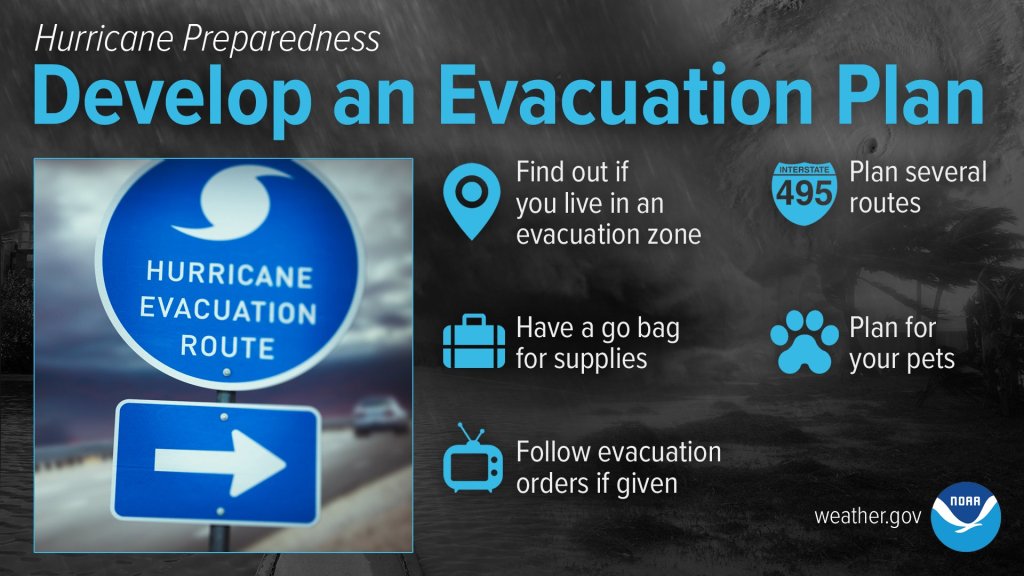
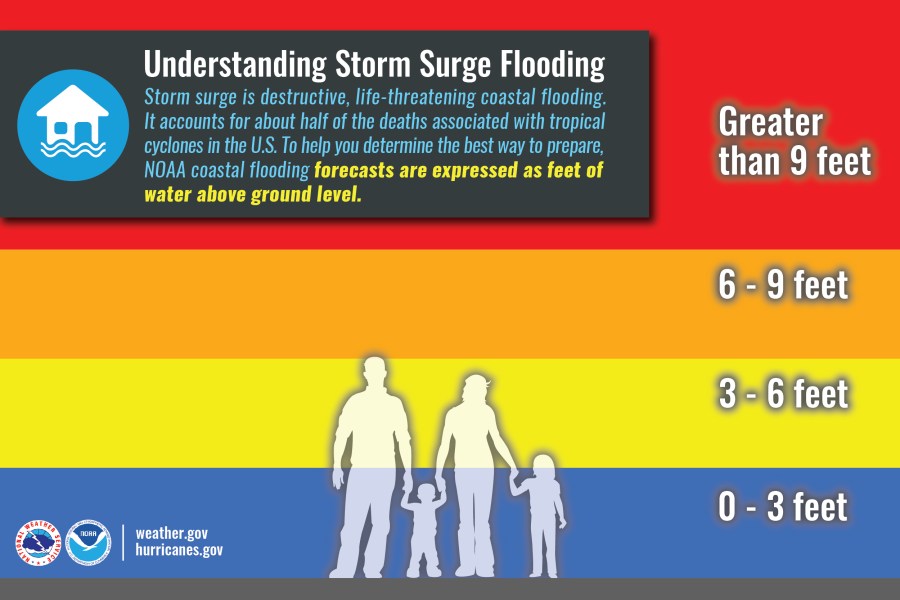
HURRICANE PREPAREDNESS FROM NOAA
HURRICANE PREPAREDNESS FROM RED CROSS
AMERICAN RED CROSS EMERGENCY CONTACT CARD
PREPARE YOUR PETS FOR DISASTERS
HOW TO BUILD AN EMERGENCY KIT – INFORMATION COURTESY READY.GOV
HOW TO PREPARE FOR A HURRICANE
THE SAFFIR-SIMPSON HURRICANE WIND SCALE

NOAA WEATHER RADIO
Here’s your weekly reminder to check your NOAA weather radio’s operation and its batteries. NOAA has a comprehensive page on NOAA weather radio…a feature of the National weather Service in the USA that has saved countless lives.

US DROUGHT MONITOR
Here’s this week’s update on the US Drought Monitor. The latest map shows worsening drought across the Northeast, Midwest, and parts of the South, offset by localized rainfall‑driven improvements in southeast Missouri, the Ohio River Valley, southeast Louisiana, and the western U.S., while most of Hawaii remains largely unchanged.. The latest fire weather outlooks can be found at the Storm Prediction Center website where they are updated daily.

CITIZEN SCIENCE
Citizen science lets everyday people actively shape real research by sharing observations and data. Join now to make a tangible impact, discover new insights, and become part of a global community driving scientific breakthroughs!
- The CoCoRaHS project invites weather enthusiasts to become citizen scientists by submitting daily precipitation reports that support forecasting and climate research even on dry days.
- Another path into becoming a citizen scientist is using the free mPING app! Your weather reports go directly to the National Severe Storms Laboratory in Norman, OK!
That’s a wrap for this week! Thanks for stopping by! See you next Saturday!
Copyright © 2025 Tornado Quest, LLC. All Rights Reserved.
 TORNADO QUEST
You must be logged in to post a comment.