
Unlock the Secrets Behind Every Sky‑Shift – Your Weekly Science Pulse Awaits!
From weather‑loving thrill seekers to climate detectives, stargazing dreamers to Earth science explorers, this is the hub where the most captivating discoveries and thought‑provoking reads collide. As the Northern Hemisphere bursts into meteorological winter (and the Southern Hemisphere sizzles into summer), the atmosphere is rewriting its own story, and you’ve got front row seats.
Inside this week’s edition you’ll find:
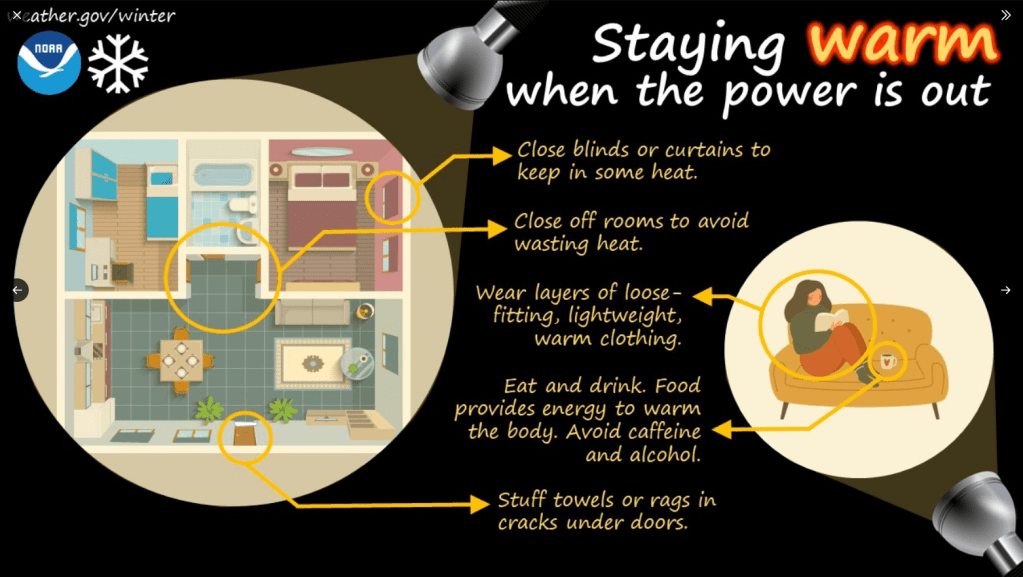
- Urgent winter‑weather survival hacks (plus a quick NOAA weather radio checkup reminder you can’t afford to miss).
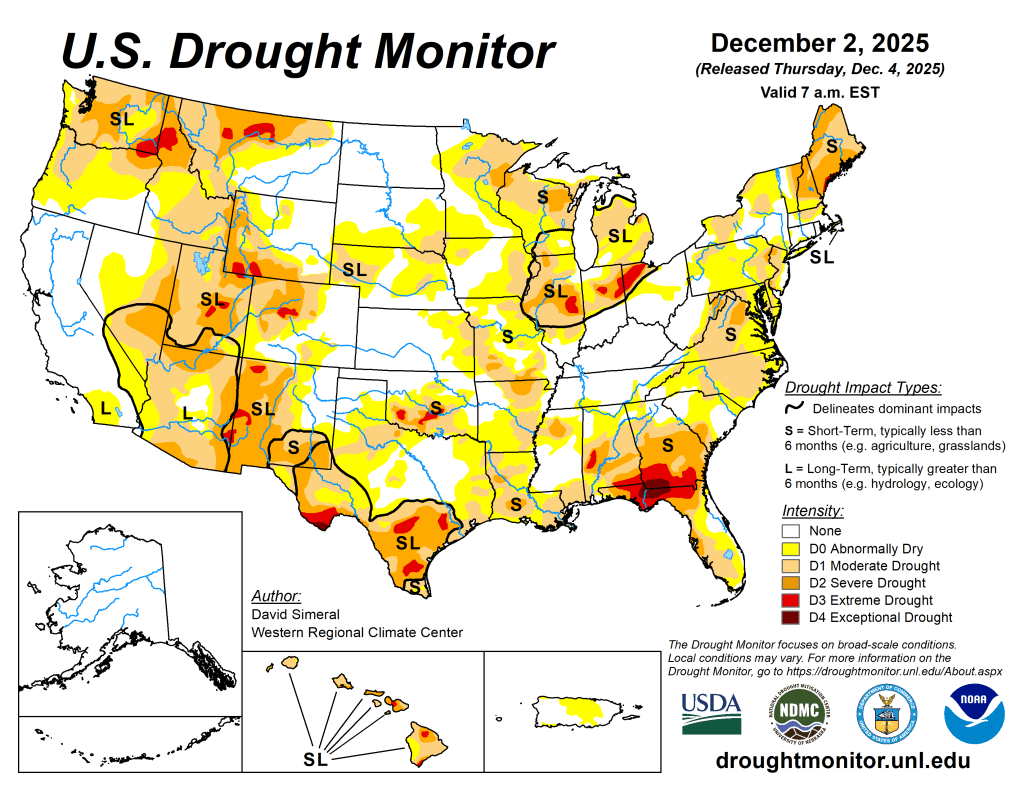
- The freshest US Drought Monitor snapshot, highlighting hidden water‑risk hot spots before they dominate the news.
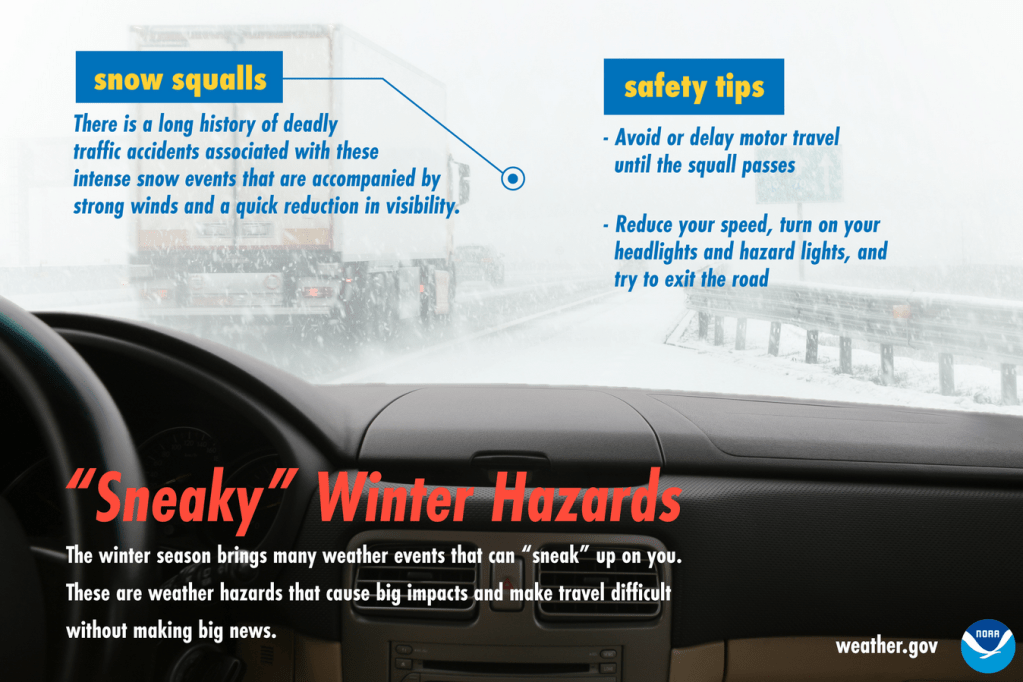
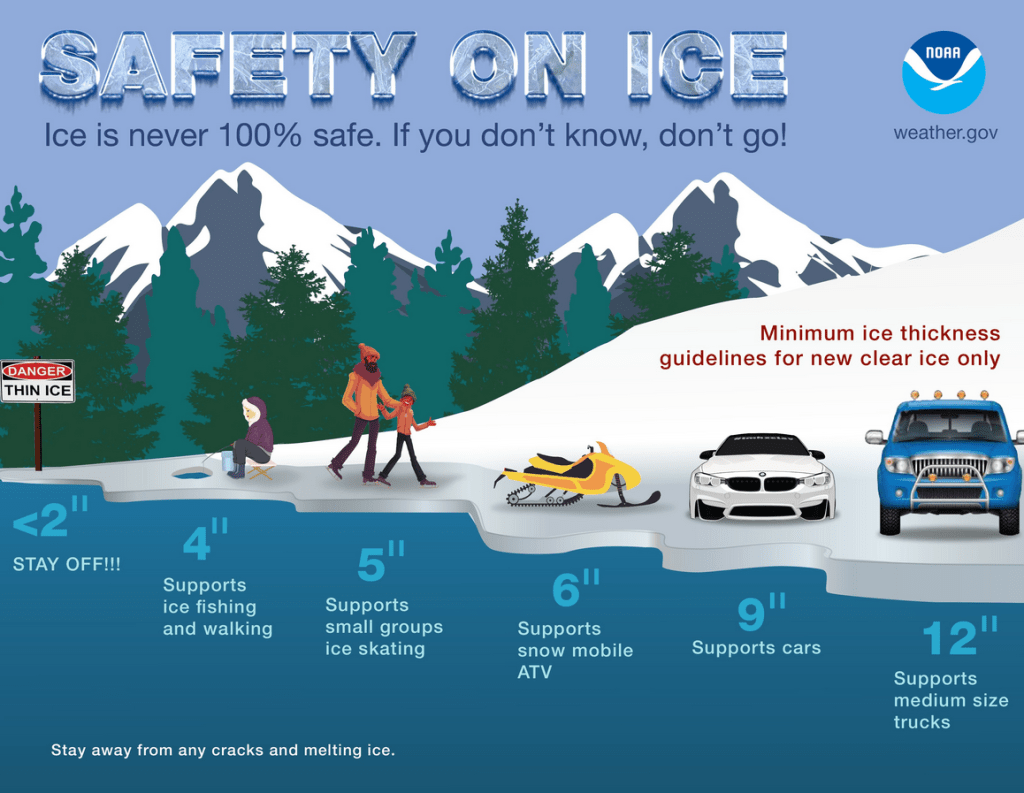
- “When Snow Meets Science” – a concise, jargon‑free guide that demystifies snow and ice forecasts for anyone who isn’t a meteorologist.
- A sneak peek at The Tornado Quest Chronicles, my deep‑dive monthly series that unravels the forces sculpting our planet.
- A hand‑picked roundup of the most compelling science stories of the week.
Don’t just stay informed, stay ahead. Click, explore, and let tomorrow’s science spark your curiosity right now.
- After a chaotic year of leadership shake‑ups and near 10% staff cuts, a leaked review council report urges Congress to keep FEMA and restore it as a cabinet‑level agency before a new interim chief takes the helm.
- Those endless satellite streaks will soon rob us of clear, breathtaking views of the universe, even from space, dimming the wonder we all rely on for inspiration and discovery.
- Despite early‑2025 fears of a data‑center‑driven grid crisis, soaring solar growth now offsets most demand, keeping coal’s resurgence in check.
- A quiet Dutch village felt its first big tremor in 2012 when deep‑ground gas drilling awakened a long‑dormant fault, showing that even in stable regions, human activity can spark surprising earthquakes.
- A new AI powered system scans social media posts in real time to pinpoint heat‑stricken neighborhoods, helping officials roll out faster warnings and targeted cooling aid where it’s needed most.
- Rising seas and fiercer storms are set to wreck the coastal ports, power grids and transport routes we all rely on, putting your safety, jobs and daily life at direct risk.
- By century’s end, once‑in‑a‑century floods could hit the Northeast USA every year, turning ordinary storms into life‑threatening deluges that could swamp homes and overwhelm communities.
- ICYMI: The 2025 Atlantic hurricane season officially ended on November 30. It was a season marked by AI‑enhanced forecasts, three record‑tying Category 5 storms, and a rare U.S. hurricane lull. All of these showcased dramatic swings from tranquil stretches to fierce, powerful storms. Let’s take a look back at a remarkable year.
WHEN SNOW MEETS SCIENCE: WHAT EVERY NON-METEOROLOGIST NEEDS TO KNOW

WINTER WEATHER PREPAREDNESS
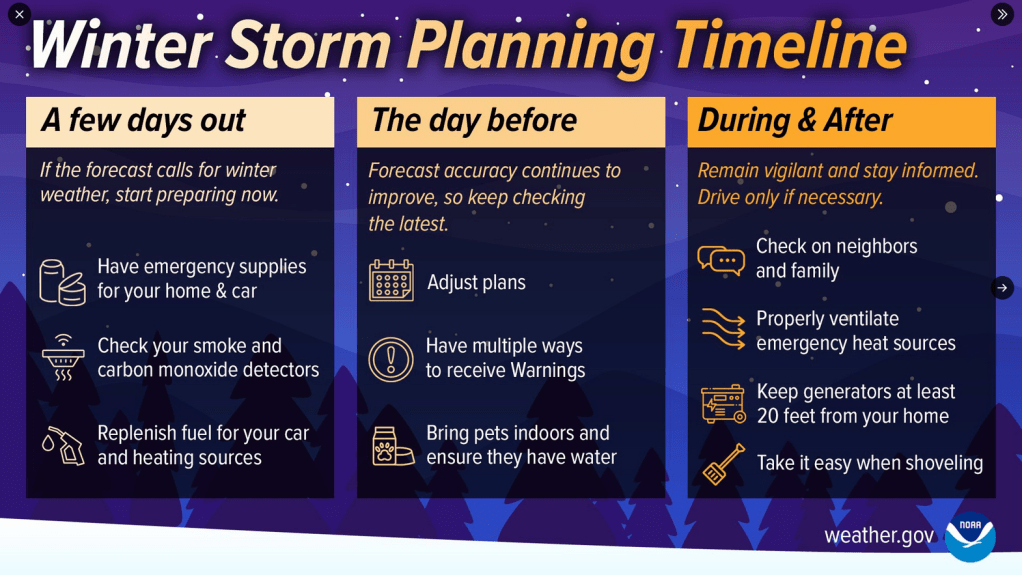
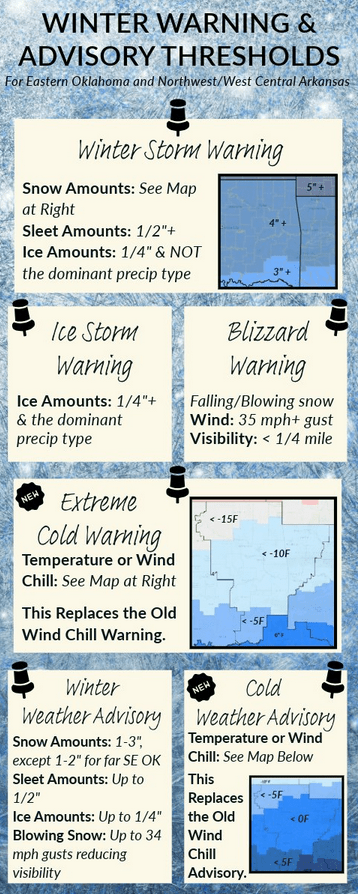
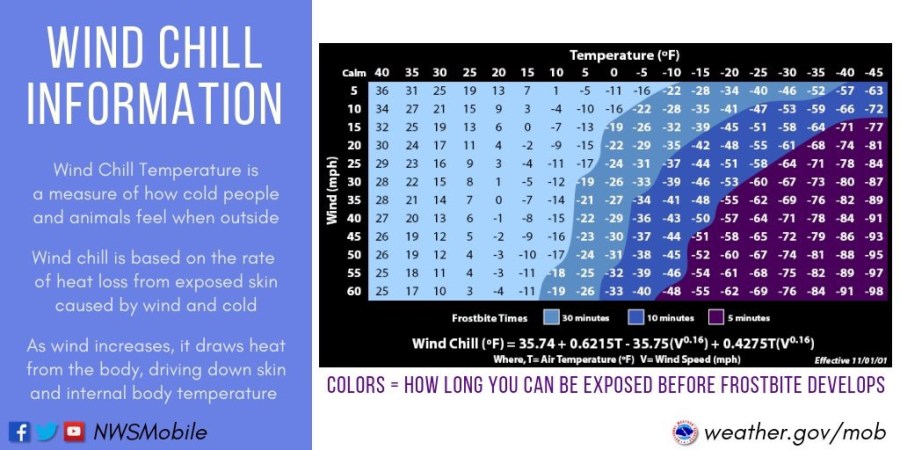
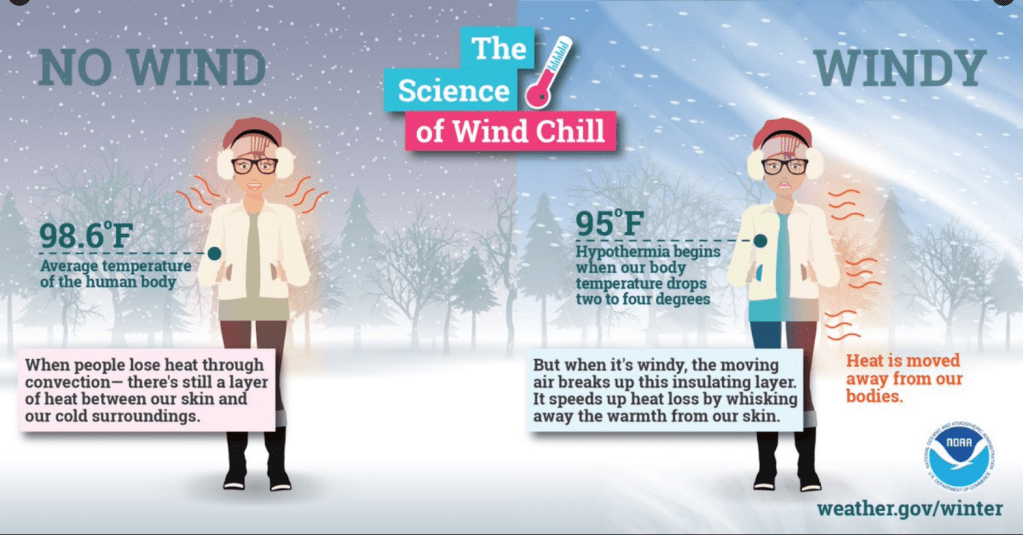
- Meteorological winter arrived on December 1, 2025. Are you ready? Here’s your winter weather safety and preparedness link. Click here to see a very comprehensive site for all of your winter weather safety info from NOAA’s National Weather Service.



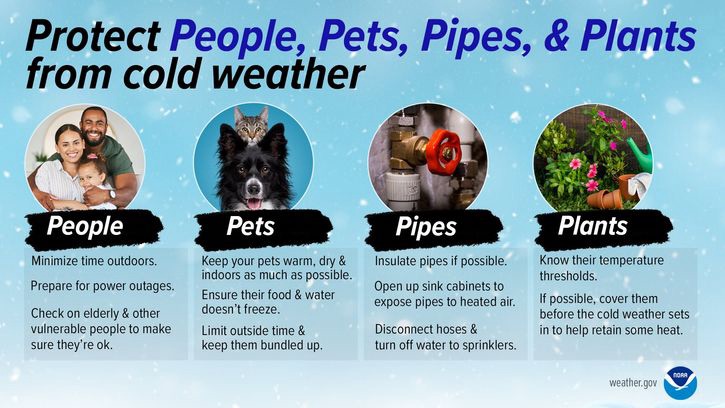

PREPARE YOUR PETS FOR DISASTERS

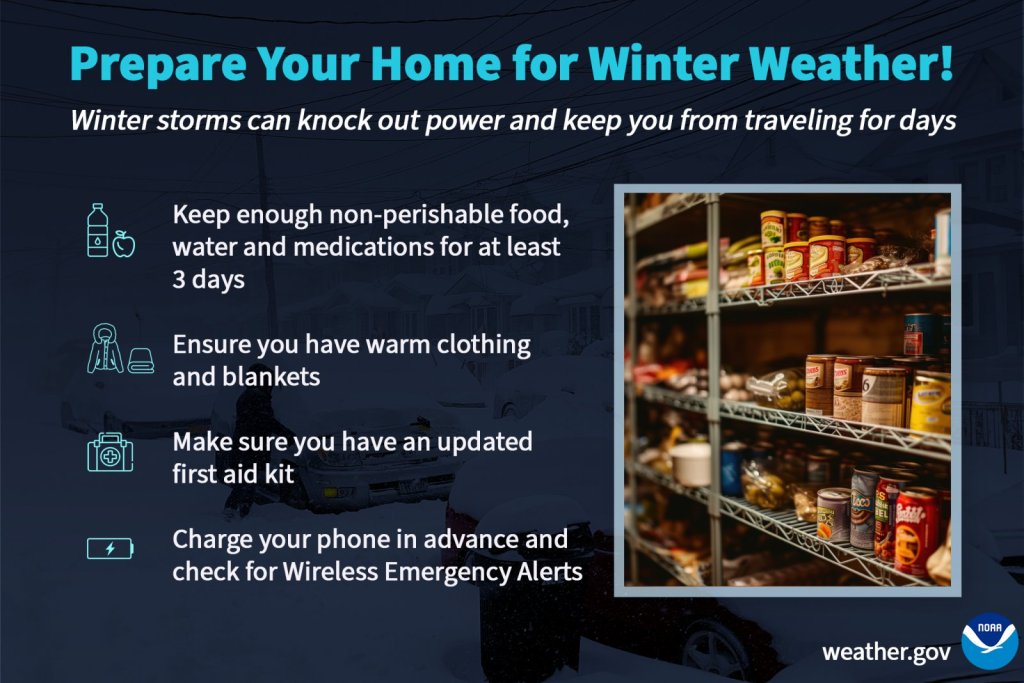
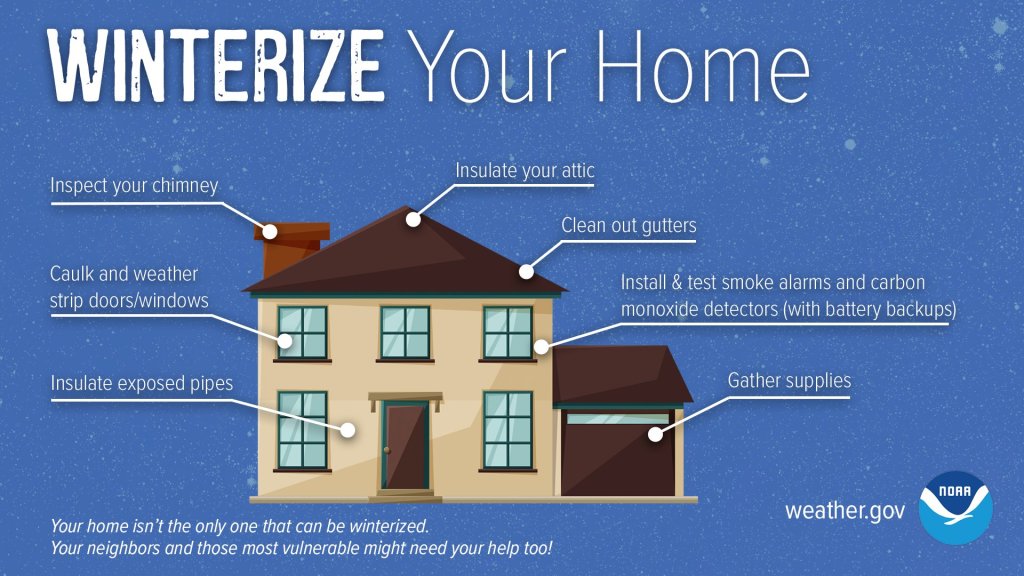

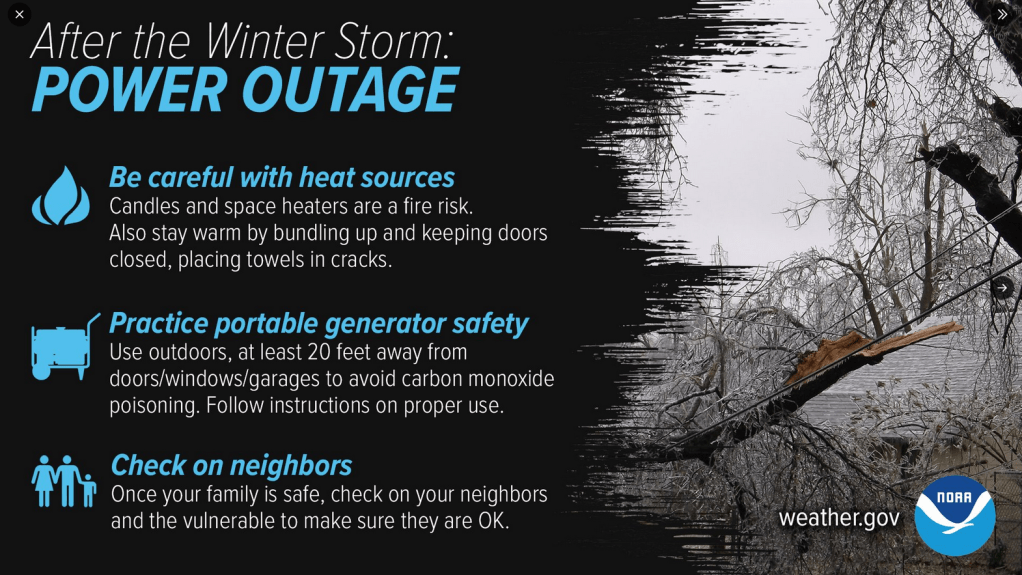

HOW TO BUILD AN EMERGENCY KIT – INFORMATION COURTESY READY.GOV
AMERICAN RED CROSS EMERGENCY CONTACT CARD





US DROUGHT MONITOR
Here’s this week’s US Drought Monitor. This week’s update shows modest rain‑relief across much of the country, but snow packs remain far below average in most western states, keeping water supplies precariously low. The latest fire weather outlooks can be found at the Storm Prediction Center website where they are updated daily.
NOAA WEATHER RADIO
Here’s your weekly reminder to check your NOAA weather radio’s operation and its batteries. NOAA has a comprehensive page on NOAA weather radio…a feature of the National weather Service in the USA that has saved countless lives.

CITIZEN SCIENCE
Citizen science lets everyday people actively shape real research by sharing observations and data. Join now to make a tangible impact, discover new insights, and become part of a global community driving scientific breakthroughs!
- The CoCoRaHS project invites weather enthusiasts to become citizen scientists by submitting daily precipitation reports that support forecasting and climate research even on dry days.
- Another path into becoming a citizen scientist is using the free mPING app! Your weather reports go directly to the National Severe Storms Laboratory in Norman, OK!
That’s a wrap for this week! Thanks for stopping by! See you next Saturday!
™ Tornado Quest © 1998‑2026 Tornado Quest, LLC. All Rights Reserved.
 TORNADO QUEST
You must be logged in to post a comment.