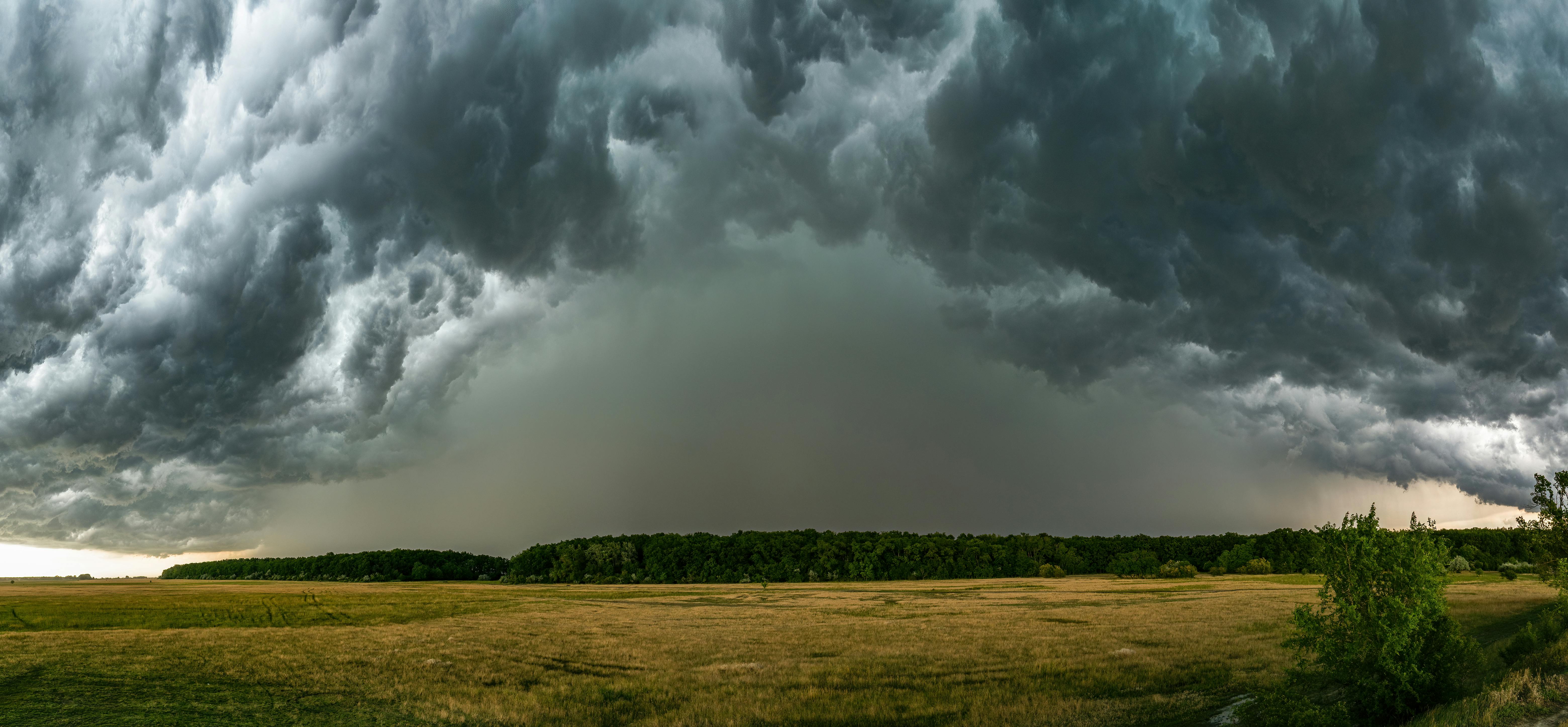
Greetings everyone. It’s good to see you back here. We’ve got a lot to cover this week from wind turbines, the 2026 World Cup, microplastics, AI and weather forecasting, another good read on El Niño, and a reminder that the official beginning of the 2026 Atlantic hurricane season is only days away. Speaking of reminders, I’ve also got your reminder to check your NOAA weather radio, get prepped for severe weather and tornadoes, and links on how you can take part in citizen science and weather. Let’s get started.
- That health influencer with a million followers may or may not have any actual credentials…and there’s a quick way to tell the difference before you take their advice.
- What if the key to saving birds from wind turbines lies in how they see the world?
- New research reveals how controlled burns could save taxpayers billions, if we dare to use them.
- Microplastics are floating in our atmosphere, and their impact might be worse than we ever imagined.
- The 2026 World Cup may have an unexpected challenge in dangerous heat that could threaten players and fans alike.
- A Texas city of 300,000 people could run out of municipal water by next year. Officials are debating whether to tell industries to cut back before it’s too late.
- Scientists just discovered that when rain falls harder and less often, the land can’t keep up. It’s essentially being asked to drink from a firehose, and most of it goes to waste.
- El Niño is on the way, and with climate change amplifying its effects, the world may face extremes we’ve never seen before.
- While AI can be very useful in revealing secrets of our planet’s climate, there are some important caveats that must be kept in mind especially when the stakes are high.
- On May 21, NOAA releases its official 2026 Atlantic hurricane season outlook…and with El Niño developing at a pace forecasters are calling unprecedented, this is one announcement worth marking on your calendar!
SEVERE WEATHER AND TORNADO SAFETY AND PREPAREDNESS
NOAA WEATHER RADIO
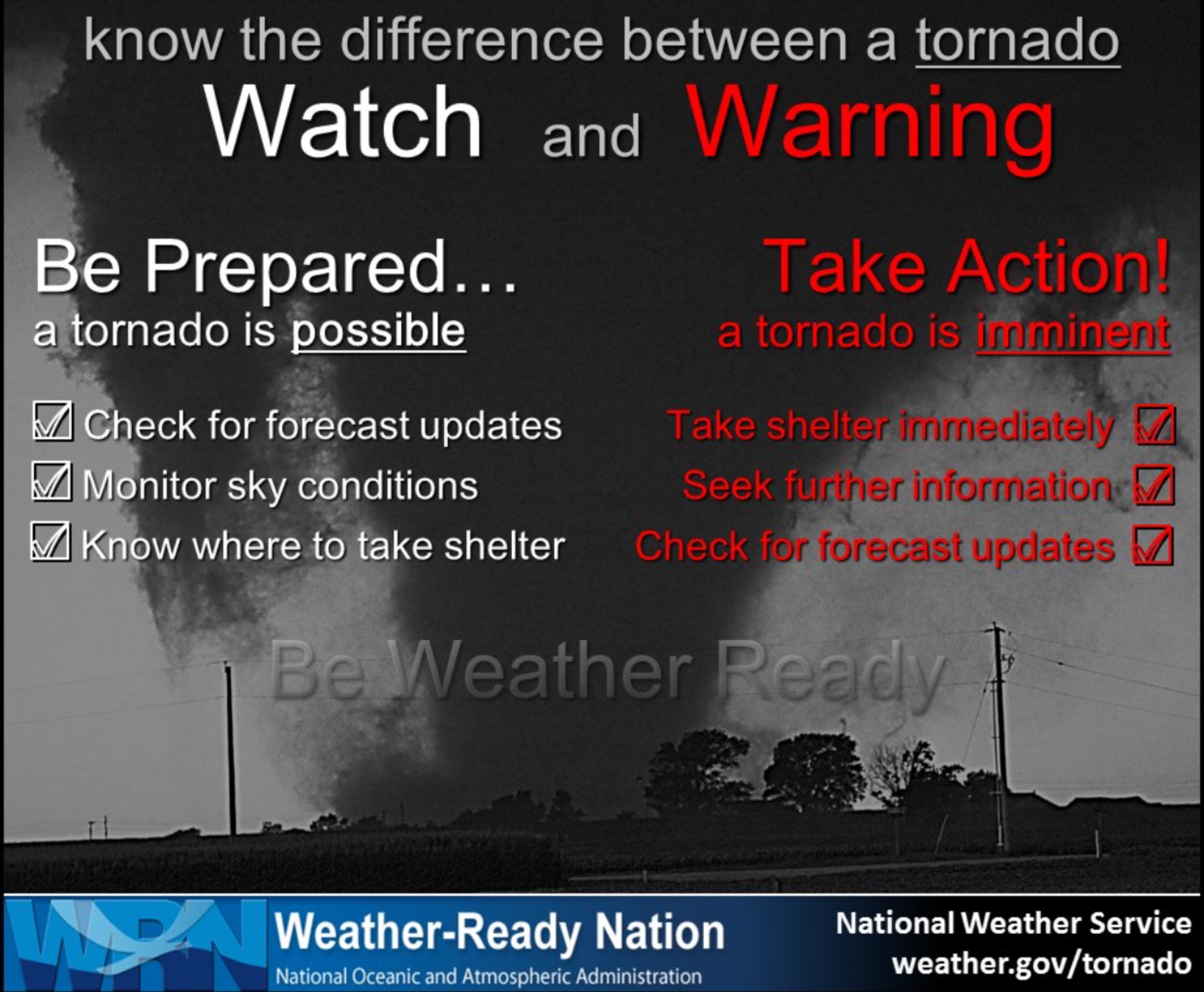
Here’s your weekly reminder to check your NOAA weather radio’s batteries, programming, settings, and reception. NOAA has a comprehensive page on NOAA weather radio…a feature of the National weather Service in the USA that has saved countless lives.

US DROUGHT MONITOR
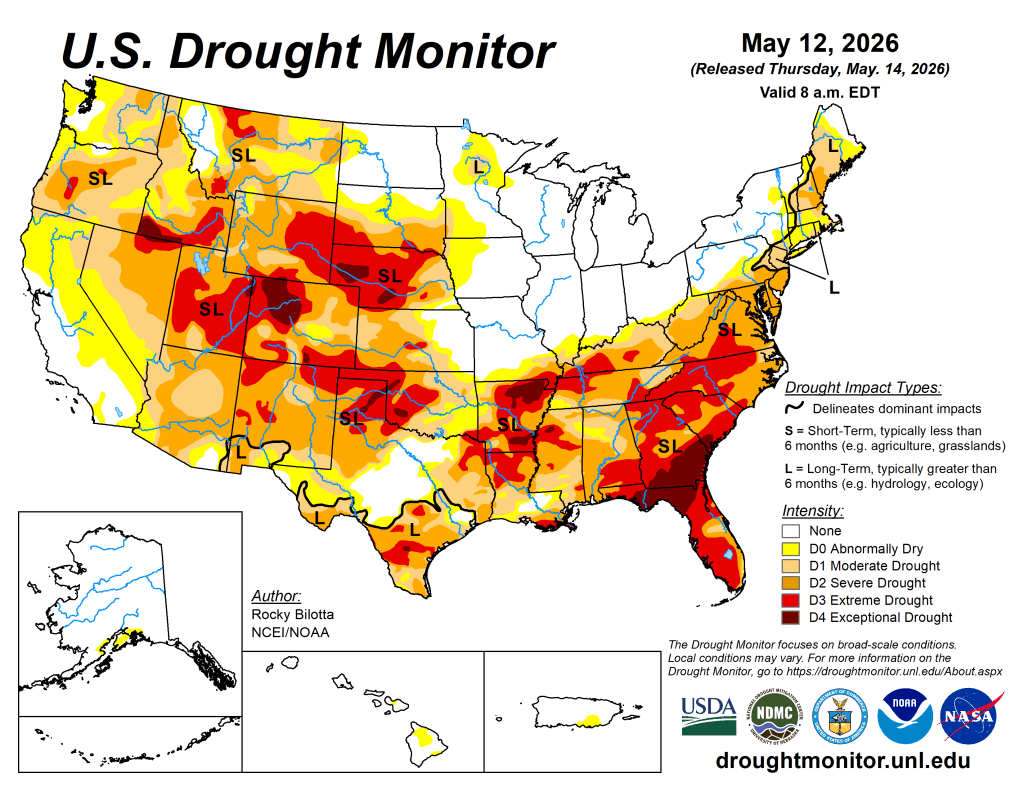
This week, the U.S. saw a dramatic weather split: the South and Gulf Coast were drenched with 4–6 inches (10–15 cm) of rain, while the West stayed bone-dry and windy, sparking fire risks. Temperatures followed the same divide with scorching heat in the Southwest and South Texas (with highs up to 105°F/40.6°C) contrasted with unseasonably chilly conditions in the Northern Plains and Upper Midwest, where some areas dipped 5–15°F (3–8°C) below normal.
- NOAA’s US Drought Monitor website has the full regional details.
- The latest daily fire weather outlooks can be found at the Storm Prediction Center’s website.
CITIZEN SCIENCE
Citizen science lets everyday people actively shape real research by sharing observations and data. Join now to make a tangible impact, discover new insights, and become part of a global community driving scientific breakthroughs!
- The CoCoRaHS project invites weather enthusiasts to become citizen scientists by submitting daily precipitation reports that support forecasting and climate research even on dry days.
- Another path into becoming a citizen scientist is using the free mPING app! Your weather reports go directly to the National Severe Storms Laboratory in Norman, Oklahoma!
That’s a wrap for this week! Thanks for stopping by! See you next Saturday!
™ Tornado Quest © 1998‑2026 Tornado Quest, LLC. All Rights Reserved.


You must be logged in to post a comment.