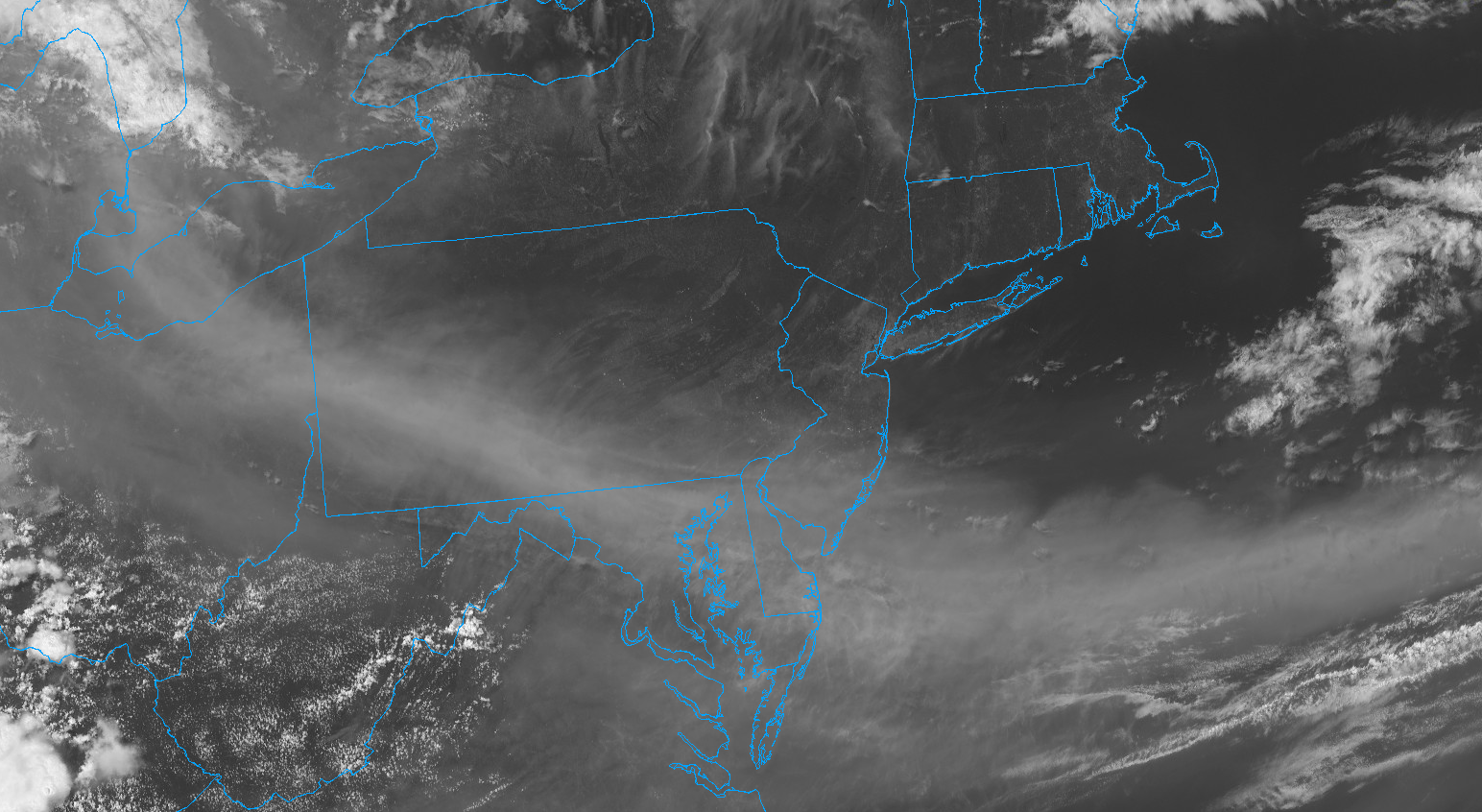
Wildfire smoke is blanketing large parts of North America and, specifically, the USA this week with hazardous air quality, heat remains a deadly presence across much of the northern hemisphere, and hurricane season is quietly evolving in ways that will affect millions of coastal residents. Before you dive into this week’s links, please spend a few minutes on the Invisible Storm heat safety page. The information there is not theoretical right now, it is immediately relevant to conditions happening outside your window. The US Drought Monitor update is in the post, your NOAA Weather Radio deserves a fresh battery check this week, and there’s a new Tornado Quest Chronicles essay waiting for you. Ten links this week, ranging from the science of how Earth keeps itself livable to what microplastics are actually doing inside our bodies. Settle in for some good reads.
- Stanford Medicine research shows that year-round standard time, not daylight saving time, would significantly reduce obesity, stroke rates, and help improve our health overall by aligning our bodies’ natural rhythms with optimal morning light.
- Microplastics are everywhere, even inside us. But how much do we really know?
- This week, wildfire smoke is blanketed the northern USA with record-breaking, hazardous air pollution.
- Earth’s natural climate control system has kept our planet livable for millions of years. Here’s how it works and why it matters to you.
- El Niño could turn tropical forests from climate saviors into carbon emitters and 2026 may be the worst yet.
- Last month’s heat wave in Western Europe left a devastating toll. Let’s take a look behind the numbers.
- Europe’s longest heat waves may have a hidden pattern. Here’s what scientists discovered.
- Heatwaves are getting deadlier, and the way they’re changing might surprise you.
- Summer heat isn’t called the silent killer for nothing. Here’s and excellent read on staying safe. For more detailed information, visit, The Invisible Storm heat safety page.
- For those of you living in hurricane prone regions, you need to be aware of these changes in NOAA’s National Hurricane Center’s warning process because, yes, this will affect you sooner or later.
THE INVISIBLE STORM
SEVERE WEATHER AND TORNADO SAFETY AND PREPAREDNESS
NOAA WEATHER RADIO
Here’s your weekly reminder to check your NOAA weather radio’s batteries, programming, settings, and reception. NOAA has a comprehensive page on NOAA weather radio…a feature of the National weather Service in the USA that has saved countless lives.

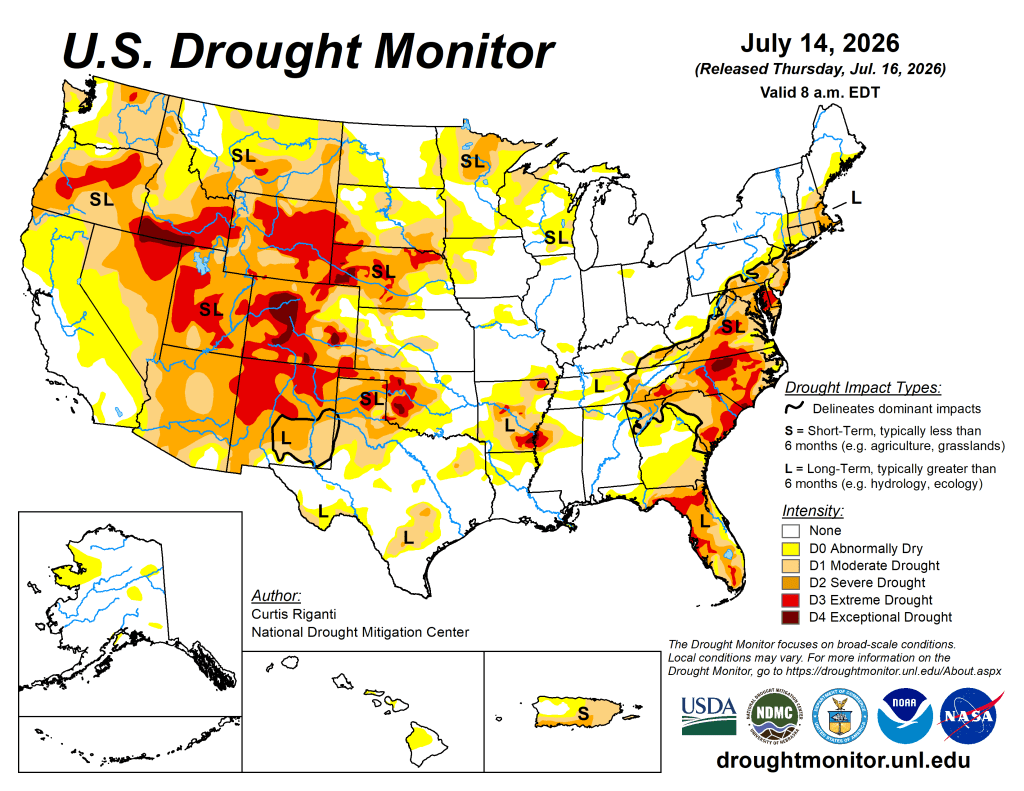
US DROUGHT MONITOR
This week’s heavy rains brought much needed relief to drought stricken areas across parts of the U.S., from northeast Texas to the Mid-Atlantic, with localized improvements in places like southern New York, New England, and the central Great Plains. However, warm and dry conditions worsened drought in the western Great Lakes, central Colorado, and parts of Washington, while expanding extreme drought in other regions. Looking ahead, dry weather is expected across much of the Great Plains and Midwest, but heavy rain is forecast for areas like south central Texas and the Southwest. Meanwhile, the long-range outlook suggests wetter than normal conditions for parts of the Southwest and East, with mixed temperature trends across the country. Regardless of any rainfall, heat will still be a big story for many weeks to come. See The Invisible Storm for a plethora of heat safety information.
- NOAA’s US Drought Monitor website has the full regional and state details.
- The latest daily fire weather outlooks can be found at the Storm Prediction Center’s website.
CITIZEN SCIENCE
Citizen science lets everyday people actively shape real research by sharing observations and data. Join now to make a tangible impact, discover new insights, and become part of a global community driving scientific breakthroughs!
- The CoCoRaHS project invites weather enthusiasts to become citizen scientists by submitting daily precipitation reports that support forecasting and climate research even on dry days.
- Another path into becoming a citizen scientist is using the free mPING app! Your weather reports go directly to the National Severe Storms Laboratory in Norman, Oklahoma!
That’s a wrap for this week! Thanks for stopping by! See you next Saturday!
™ Tornado Quest © 1998‑2026 Tornado Quest, LLC. All Rights Reserved.


You must be logged in to post a comment.