Greetings to all and thanks for stopping by. The tornado and severe weather season is well underway with 2025 having already seen several substantial severe weather and tornado events. The bulk of the activity is yet to come. Your tornado safety information will be posted again this week along with a reminder on lightning safety. As usual, there are several thought provoking science reads along with the updated US Drought Monitor, so let’s get started.
- To claim that uncertainty is on the rise is a vast understatement. Here’s a good read on how to cope and stay strong.
- If you’ve even looked for a good world sunlight map, look no further. This is the best world sunlight map that I have seen in many, many years.
- Considering there are safer and more practical areas to mine, countries are in a big hurry to get their hands on resources in the Arctic.
- Speaking of impractical ideas, this turncoat hypocrisy isn’t doing our planet any favors.
- Wetlands are an important part of our planet’s ecosystem, but there are some factors that could be detrimental in the long run.
- Below the vast expanses of ice sheets in Antarctica lay an impressive network of hidden lakes and streams. Those bodies of water have the potential to significantly change global sea level rise.
- The latest European State of the Climate report issued by the World Meteorological Organization is available and it contains a great deal of very important information that is very telling about the current state of our planet’s climate.
- In case you missed it, this is a “must watch” for anyone living in areas prone to severe thunderstorms and tornadoes. It’s an excellent video presentation from the National Weather Service in Norman, OK on seasonal readiness for severe weather and tornadoes. It goes into extensive detail on many facets of severe weather forecasting that will help many folks increase their appreciation of just how hard the task of a meteorologist is and the lengths they go to in order to make their forecasts easy for the general public to understand.
- Are you interested in weather and would you like to take part in contributing to weather databases as a citizen scientist? Check out the CoCoRaHS project! Your daily precipitation reports, even when no precipitation has occurred, are part of very important weather data forecasting models and data archives!
- Another way you can help with weather reports as a citizen science is with the free mPING app! Your reports go directly to the National Severe Storms Laboratory in Norman, OK!
- Here’s your weekly reminder to check your NOAA weather radio’s operation and its batteries. NOAA has a comprehensive page on NOAA weather radio…a feature of the National weather Service in the USA that has saved countless lives.

- Here’s the latest update on the US Drought Monitor. Across much of the contiguous USA, drought conditions have improved across the Ohio valley and mid to lower Mississippi valley regions. Many states west of the Mississippi River have seen little relief as well as much of the east coast. Extreme to exceptional drought conditions continue to persist from Texas west to to southern California. The latest fire weather outlooks can be found at the Storm Prediction Center website where they are updated daily.

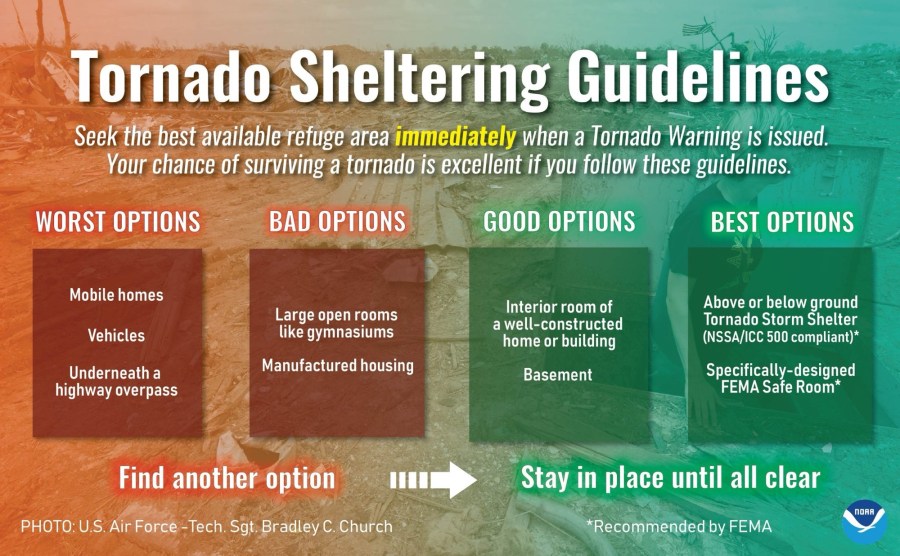
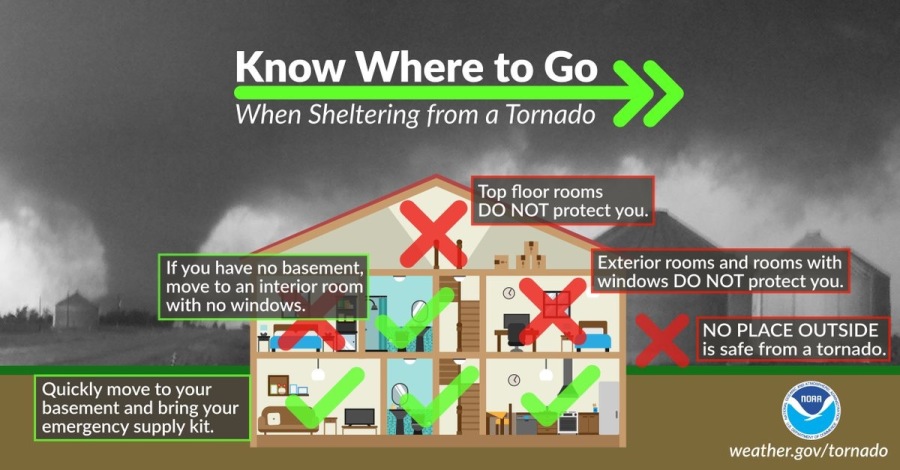
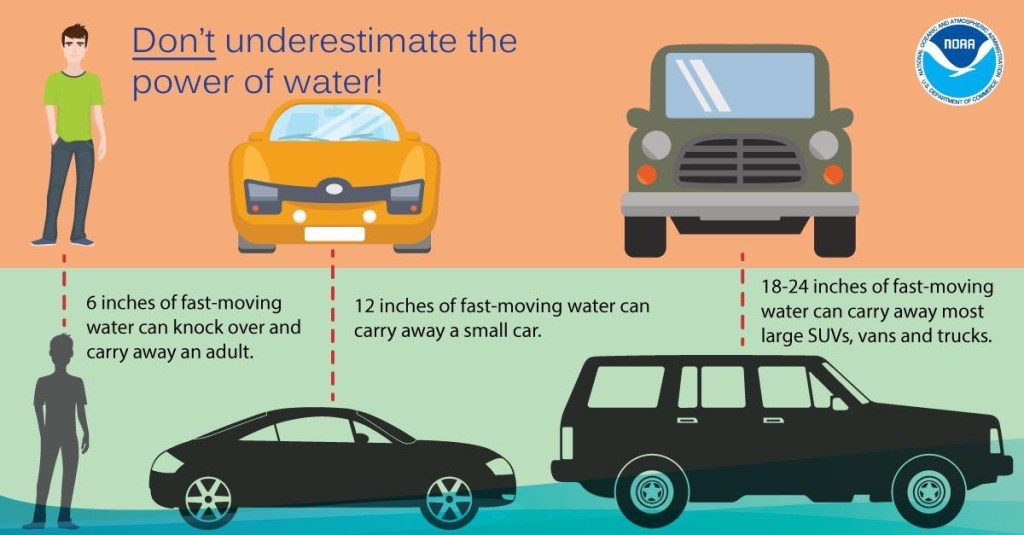
SEVERE WEATHER SAFETY
Please note; Much of the preceding information may not be available/updated in the future due to unnecessary firings en masse at NOAA and the National Weather Service.
THUNDERSTORMS, TORNADOES, AND LIGHTNING…NATURES MOST VIOLENT STORMS
TORNADO SAFETY FROM NOAA’S STORM PREDICTION CENTER
THE MOST FREQUENTLY ASKED QUESTIONS ABOUT TORNADOES FROM NOAA’S STORM PREDICTION CENTER
HOW TO BUILD AN EMERGENCY KIT – INFORMATION COURTESY READY.GOV



That’s a wrap for this week! Thanks for stopping by! See you next Saturday!
Copyright © 2025 Tornado Quest, LLC. All Rights Reserved.
 TORNADO QUEST
You must be logged in to post a comment.