
Greetings to all and thanks so much for visiting. Across much of the USA severe weather activity hasn’t let up with the arrival of June. I’m continuing with your tornado safety information again this week along with a reminder on lightning and flash flood safety. Also, please visit my social media page to check out the Tornado Quest social media platforms. This week I’ve got several thought provoking science reads, the updated weekly US Drought Monitor, and the all important reminder to check your NOAA weather radio. Let’s get started.
- For my fellow astronomy buffs, here’s an interesting read on how our galaxy’s predicted demise may take on an unexpected twist.
- Budget cuts in the USA’s science are substantial, and draconian. To say that that the USA’s gold standard of scientific research and advancement that is the envy of the world is being wrecked is a vast understatement.
- As our planet’s oceans warm, the coral reefs take a big hit. By some accounts, there’s a positive side to the changes in the coral reefs that is unexpected.
- Weather and climate not only take a toll on us physically, but emotionally. Are we psychologically ready for a warming planet?
- The recent wildfires in Canada were record breaking events. Here’s some startling data on just how bad they were.
- Tornadoes are the most widely known atmospheric vortex phenomenon, but there are also waterspouts, landspouts, and gustnadoes. What is the difference between these rare and fascinating spinning columns of air?
- The Atlantic hurricane season officially began on 1 June 2025. Here is a very comprehensive overview from NOAA of the season ahead and what is expected.
- If you live in a region prone to severe thunderstorms and tornadoes, you need to watch this excellent video presentation from the National Weather Service in Norman, OK on seasonal readiness for severe weather and tornadoes. It goes into extensive detail on many facets of severe weather forecasting that will help many folks increase their appreciation of just how hard the task of a meteorologist is and the lengths they go to in order to make their forecasts easy for the general public to understand.
- Are you interested in weather and would you like to take part in contributing to weather and climate data archives as a citizen scientist? Check out the CoCoRaHS project! Your daily precipitation reports, even when no precipitation has occurred, are part of very important weather data forecasting models and data archives! Every single daily report, even if you get no precipitation, counts and is important!
- Another way you can help with weather reports as a citizen scientist is with the free mPING app! Your reports go directly to the National Severe Storms Laboratory in Norman, OK! Even just a few reports help meteorologists with research…and your one report does count!
- Here’s your weekly reminder to check your NOAA weather radio’s operation and its batteries. NOAA has a comprehensive page on NOAA weather radio…a feature of the National weather Service in the USA that has saved countless lives.

- Here’s the latest update on the US Drought Monitor. Across much of the contiguous USA, drought conditions have improved significantly across much of the east coast, deep south, and parts of the southern plains. Extreme to exceptional drought conditions continue to persist from Texas west to to southern California. The latest fire weather outlooks can be found at the Storm Prediction Center website where they are updated daily.

SEVERE WEATHER SAFETY
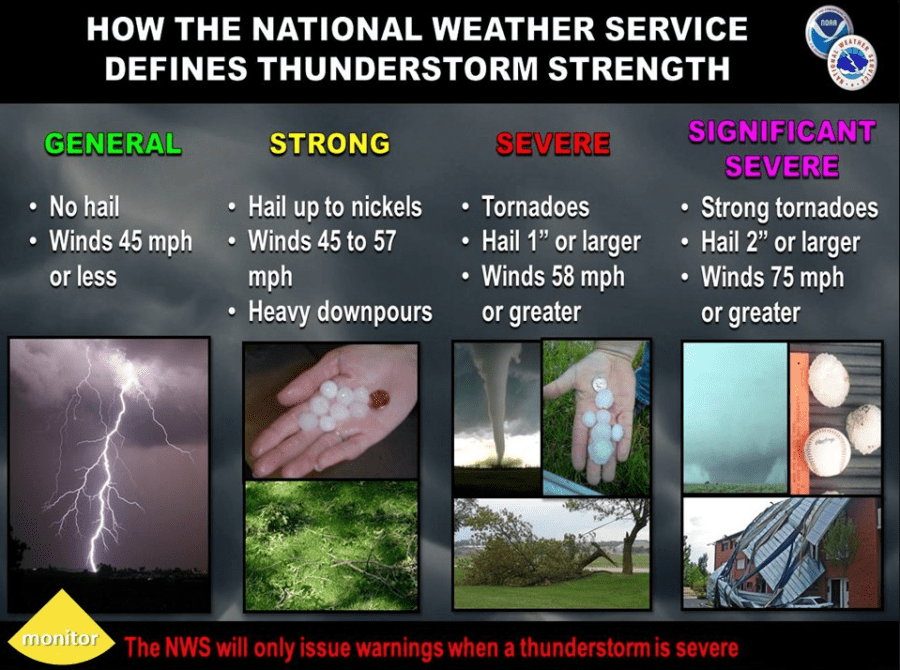
THUNDERSTORMS, TORNADOES, AND LIGHTNING…NATURES MOST VIOLENT STORMS
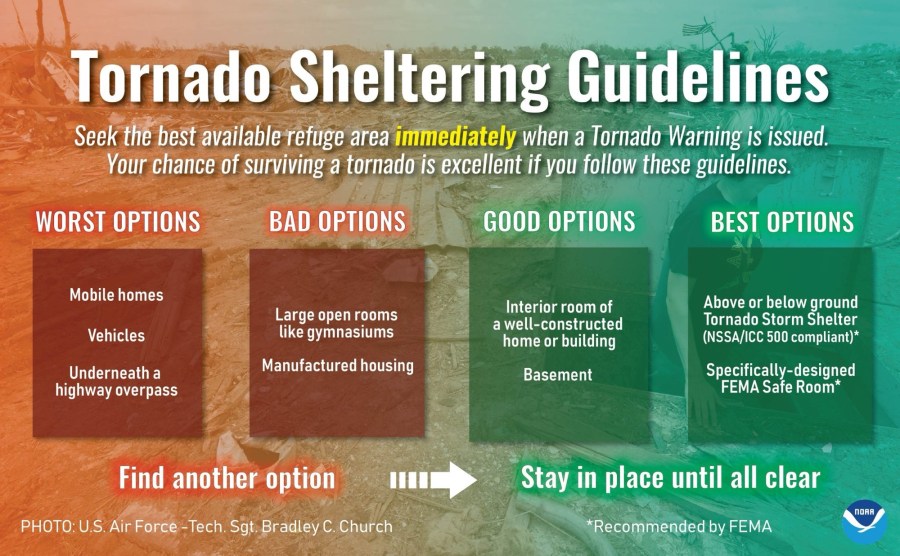
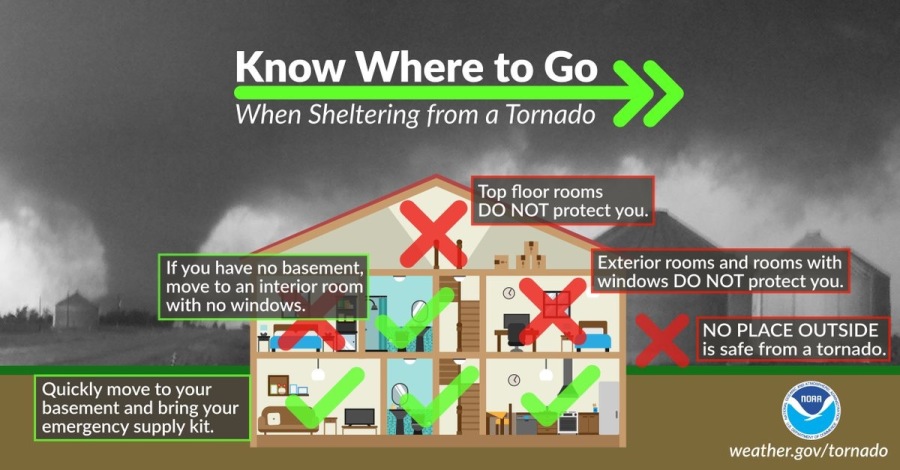
TORNADO SAFETY FROM NOAA’S STORM PREDICTION CENTER
THE MOST FREQUENTLY ASKED QUESTIONS ABOUT TORNADOES FROM NOAA’S STORM PREDICTION CENTER
HOW TO BUILD AN EMERGENCY KIT – INFORMATION COURTESY READY.GOV




That’s a wrap for this week! Thanks for stopping by! See you next Saturday!
Copyright © 2025 Tornado Quest, LLC. All Rights Reserved.
 TORNADO QUEST
You must be logged in to post a comment.