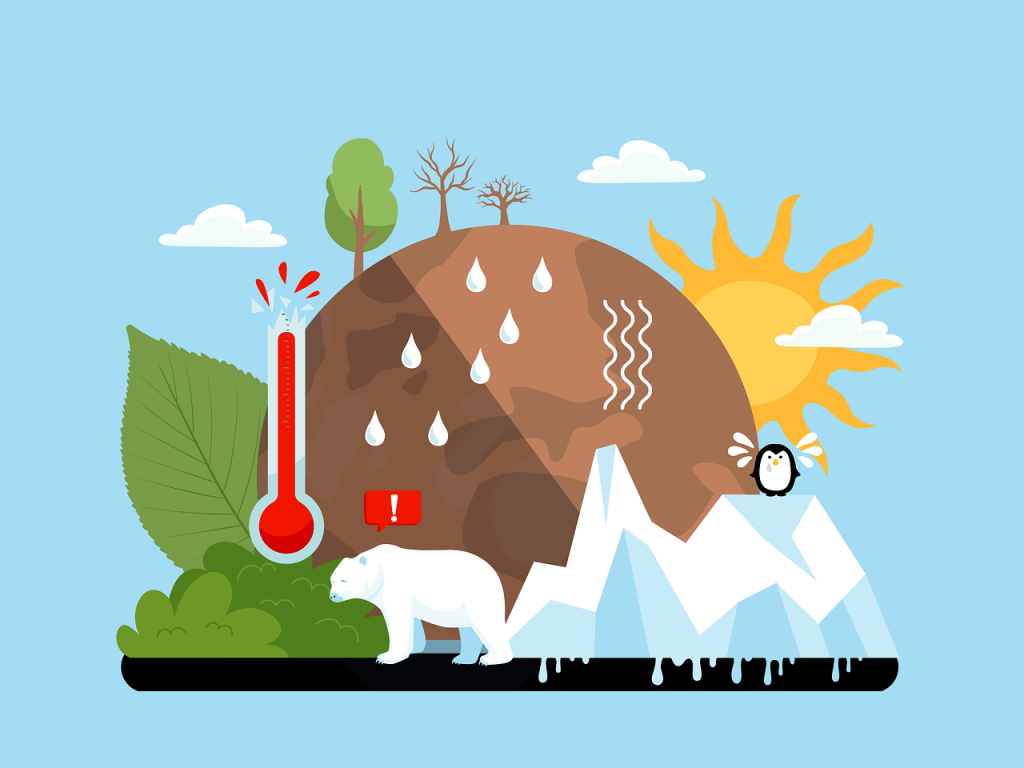
Over much of North America, we’re seeing a brief respite from the brutal heatwave of late. In spite of the quiet conditions in the Atlantic, the hurricane season is upon us. Now is the time to prepare. You’ve got a plethora of hurricane preparedness information this week. You’ll get several good science reads, the latest update from the U.S. Drought Monitor, and a reminder that your NOAA weather radio deserves a quick check. A simple test now could be a life-saver later. Let’s get started.
- In about three billion years, the Sun will become a red giant, vastly brighter and larger, causing Earth’s oceans to evaporate and possibly engulfing the planet itself.
- Astronomers have spotted a likely companion star orbiting Betelgeuse, potentially explaining the red supergiant’s mysterious brightness fluctuations and its dramatic dimming in 2019–2020.
- In 2025, the northeastern U.S. is facing a surge in tick-borne diseases, driven by a complex mix of environmental factors, that has overwhelmed medical providers and defied simplified explanations like warmer winters.
- A landmark scientific review reveals that climate disinformation has evolved into sophisticated, networked tactics, often driven by vested interests, that distort public understanding, delay action, and deepen the crisis.
- A massive, heat-driven algal bloom has devastated South Australia’s coastline since March, killing over 15,000 animals across 450 species and transforming vibrant marine ecosystems into graveyards.
- Studying past climate shifts and their impact on life offers crucial insight into our current human-driven warming and the uncertain path ahead. Fortunately, our species thrived in cold climates of the past. However, your future isn’t so certain.
- Scientists have extracted Earth’s oldest ice core offering a 1.5-million-year climate archive that could rewrite our understanding of future global warming.
- How long do you think a lightning bolt is? What is the world record for length of a single lightning bolt? You’re probably off by many miles which is why you need to check this out.
- The weather term “derecho” has been used in recent days in the USA with a severe weather event. A single derecho can unleash hurricane force winds across hundreds of miles, making it a stealthy and devastating threat that every informed person should understand before it strikes.
- Last week to watch this video in a weekly post! The National Weather Service in Norman, OK shares a compelling video on seasonal severe weather preparedness, spotlighting the challenges of forecasting and their commitment to public education.
- The tropical Atlantic may be quiet for now, but don’t let your guard down. The statistical peak for tropical cyclones in the Atlantic basin doesn’t arrive until early September.
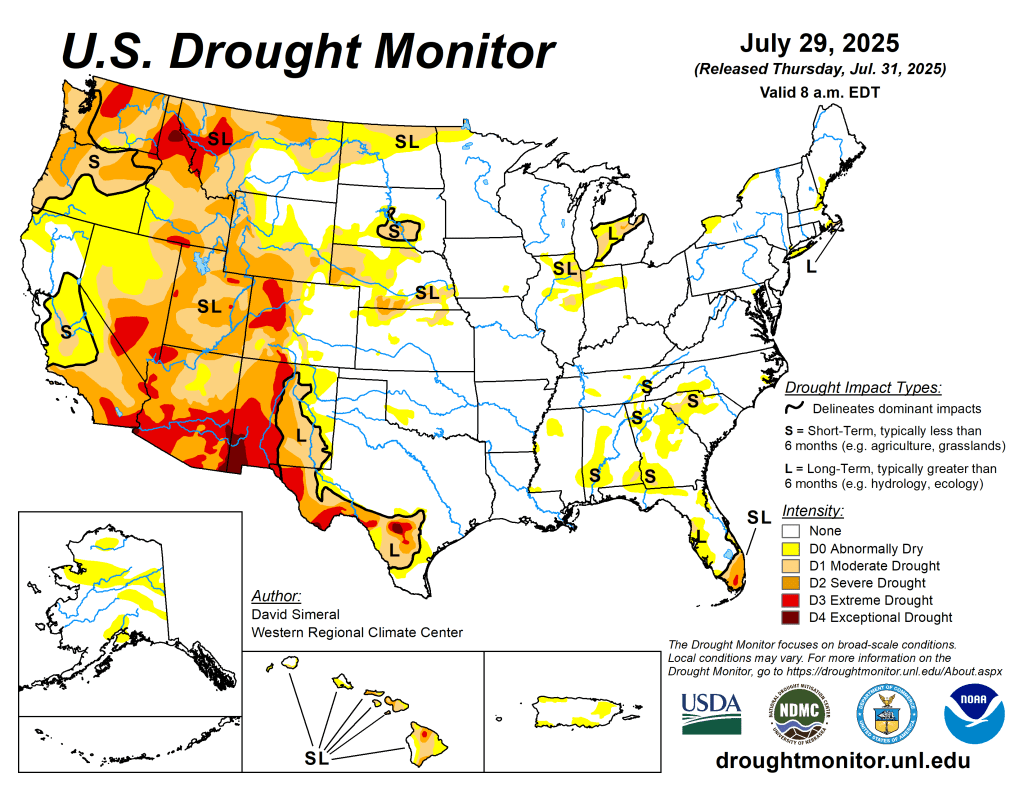
US DROUGHT MONITOR
- Here’s the latest update on the US Drought Monitor. This week’s U.S. Drought Monitor shows broad drought improvement across much of the Midwest, Plains, and Southwest due to heavy rainfall, while dryness intensified in parts of the Southeast and West. The latest fire weather outlooks can be found at the Storm Prediction Center website where they are updated daily.
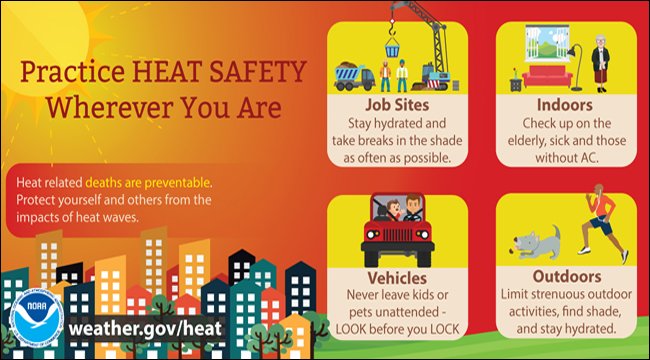
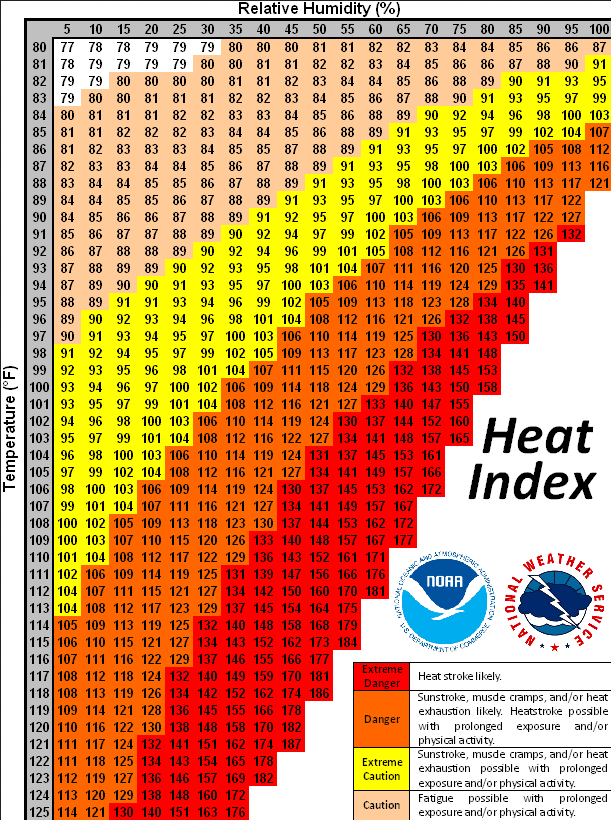
SUMMER HEAT SAFETY
THE BEACH AND SUN: SUMMER SAFETY TIPS FROM NOAA


HURRICANE PREPAREDNESS
Three named storms have already struck, and forecasters warn: this year is pacing well above average. The Atlantic is primed, and peak season hasn’t even hit. Here is a very comprehensive overview from NOAA of the season ahead and what is expected this year.
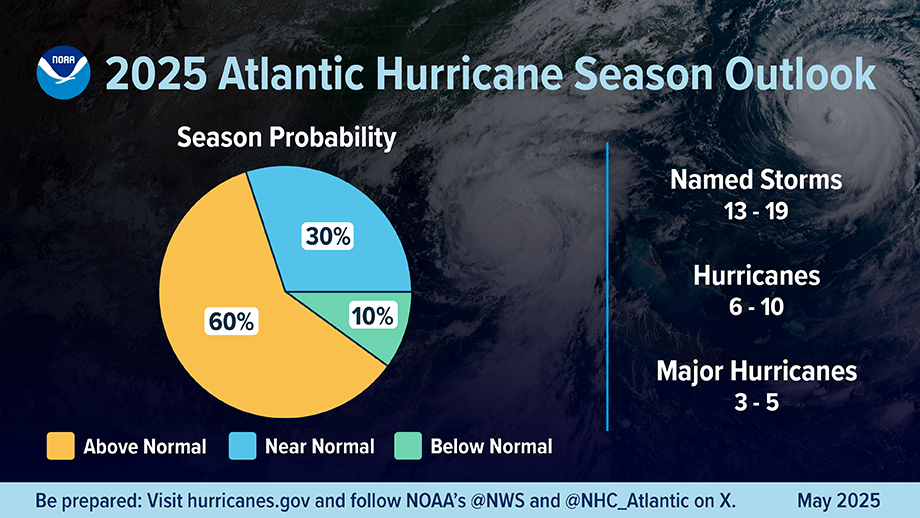
Complacency kills. Mother Nature doesn’t check your calendar. Prepare early, stay vigilant, and protect what matters most.
HURRICANE PREPAREDNESS FROM NOAA
HURRICANE PREPAREDNESS FROM RED CROSS
PREPARE YOUR PETS FOR DISASTERS
HOW TO BUILD AN EMERGENCY KIT – INFORMATION COURTESY READY.GOV
THE SAFFIR-SIMPSON HURRICANE WIND SCALE

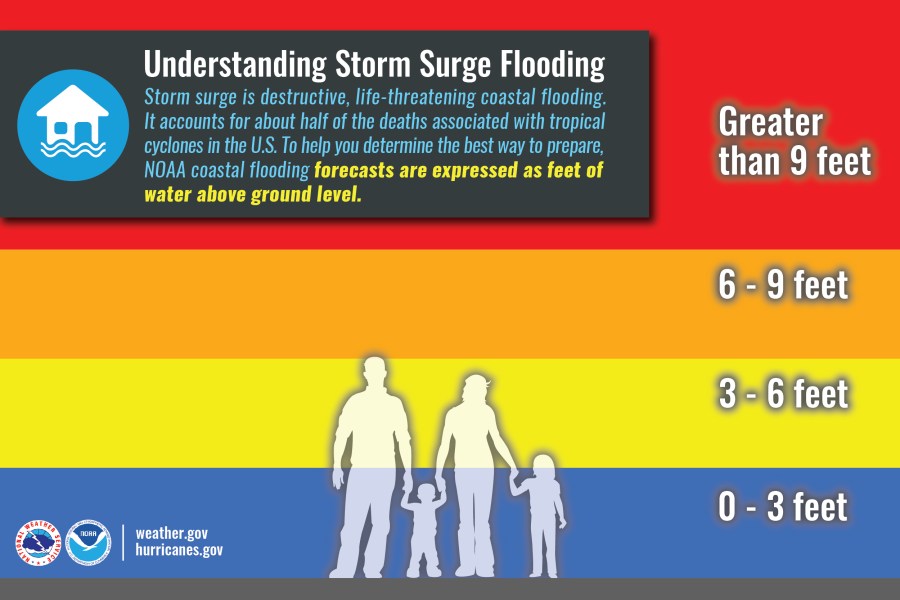
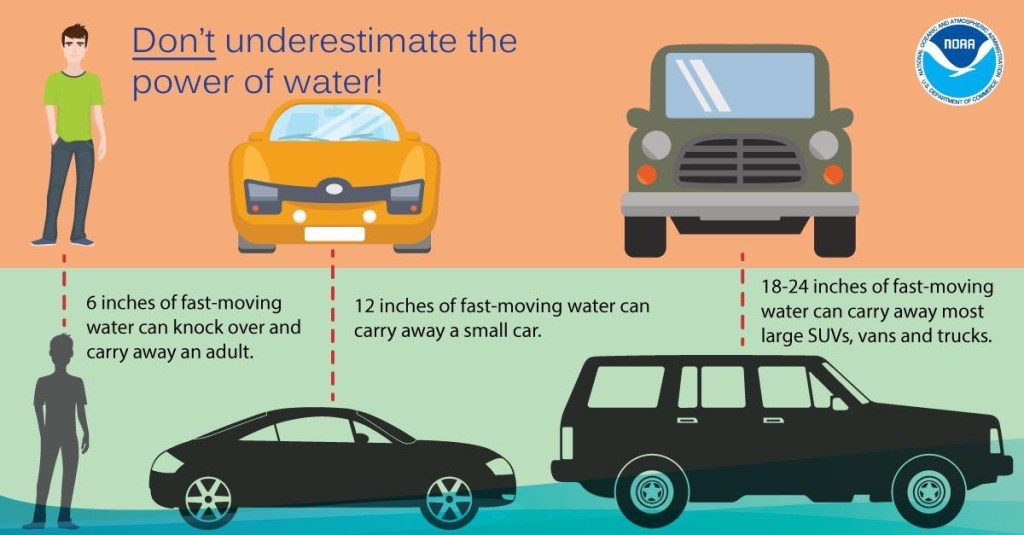
NOAA WEATHER RADIO
Here’s your weekly reminder to check your NOAA weather radio’s operation and its batteries. NOAA has a comprehensive page on NOAA weather radio…a feature of the National weather Service in the USA that has saved countless lives.

CITIZEN SCIENCE
- The CoCoRaHS project invites weather enthusiasts to become citizen scientists by submitting daily precipitation reports that support forecasting and climate research even on dry days.
- Another path into becoming a citizen scientist is using the free mPING app! Your weather reports go directly to the National Severe Storms Laboratory in Norman, OK!
That’s a wrap for this week! Thanks for stopping by! See you next Saturday!
Copyright © 2025 Tornado Quest, LLC. All Rights Reserved.
 TORNADO QUEST
You must be logged in to post a comment.