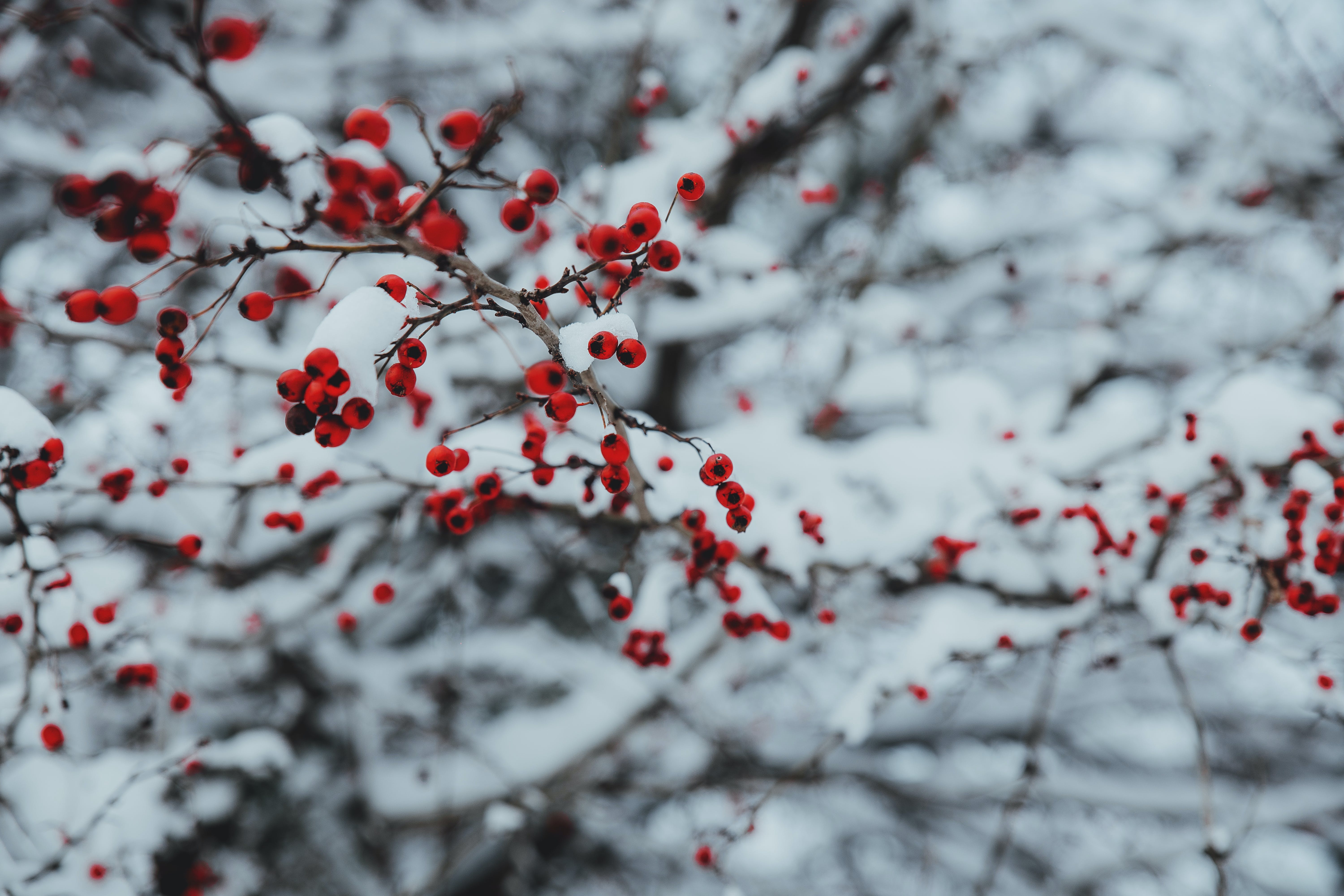
This week, science and nature are serving up surprises. From the sun’s spiky atmosphere to the stunning “wolf supermoon” that lit up January’s sky, and even a future of farming that starts in your bathroom (yes, pee-cycling is a thing). Meanwhile, climate change is rewriting the rules: Iceland’s Bardarbunga volcano is stirring as glaciers melt, wildfire smoke is worsening health risks, and new science can now link your local floods and heatwaves directly to corporate emissions. Whether you’re curious about the cosmos, your community, or just want to know why your heating bill is soaring while the South bakes in record warmth, we’ve got the stories that connect the dots. Grab a coffee, settle in, and let’s explore the week’s most fascinating, and urgent, discoveries together.
Don’t forget to read the latest installment of the Tornado Quest Chronicles, check your NOAA weather radio, and prepare for winter weather before you’re left out in the cold.
So, grab a cup of coffee, settle in, and let’s get started!
- Scientists have found that the sun’s outer atmosphere has a boundary that gets larger and spikier as the sun becomes more active, which is important for predicting how solar activity affects satellites and health on Earth.
- The first full moon of 2026 was on 3 January. Take a look at these spectacular images of the “wolf supermoon.”
- Reaching net-zero emissions by 2050 in the US requires both subsidies and taxes, as subsidies alone are not enough to reduce emissions in the long term.
- Turns out the future of farming might just be…pee-cycling. Scientists are racing to turn our ‘liquid gold’ into fertilizer before we’re all left high and dry…literally.
- Iceland’s massive Bardarbunga volcano is stirring under its icy blanket, and scientists warn that climate change’s melting glaciers might be lifting the lid, literally, on a future of bigger, badder eruptions worldwide.
- An ice dome in northern Greenland once melted completely at temperatures expected again this century, helping scientists predict how fast the ice sheet could raise sea levels.
- Wildfire smoke, worsened by climate change, is causing more health problems like asthma and heart disease than previously thought, making it crucial to monitor air quality and protect public health.
- Tree bark hosts trillions of unseen bacteria that absorb or release methane, a major greenhouse gas, yet we’ve barely studied this hidden climate player.
- New climate science can now directly link your local floods, heatwaves, and rising costs to the emissions of specific companies. This means lawsuits like the one forcing Holcim to pay for destroyed homes in Indonesia could soon target corporations in your community, too.
- While much of the U.S. faces higher heating bills in January, parts of the South are experiencing record-breaking heat with temperatures soaring 20 to 35 degrees above normal due to a high-pressure system and climate change intensifying unseasonal warmth.
WHEN SNOW MEETS SCIENCE: WHAT EVERY NON-METEOROLOGIST NEEDS TO KNOW

WINTER WEATHER PREPAREDNESS
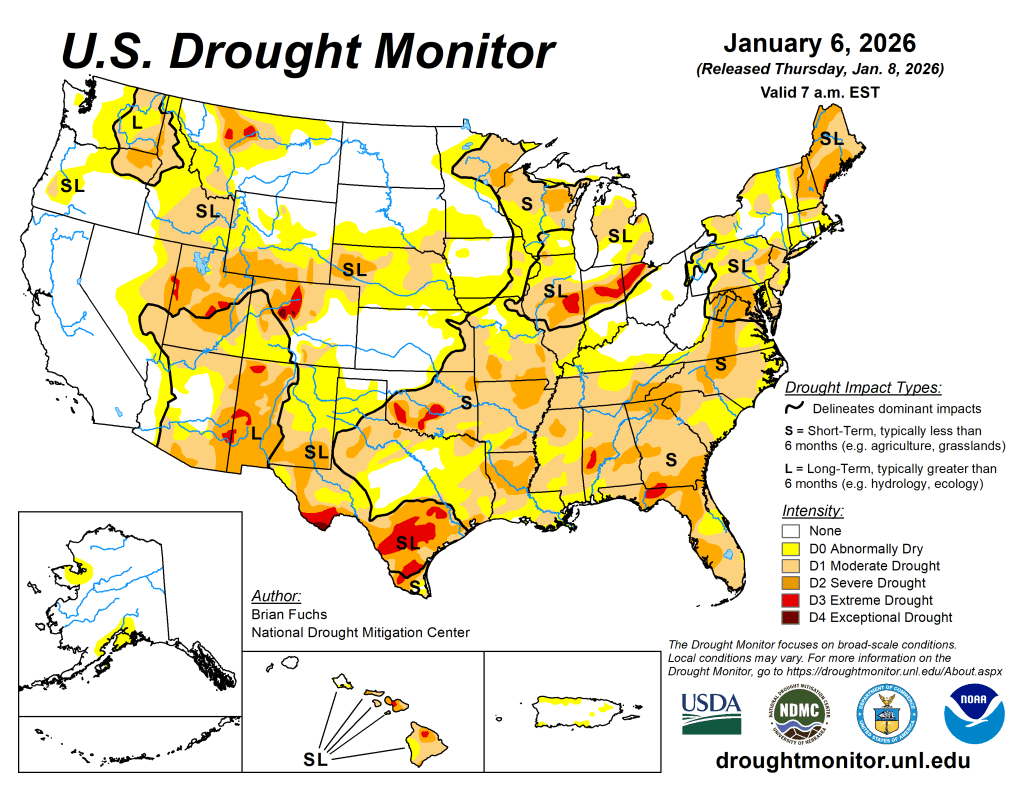
US DROUGHT MONITOR
Here’s this week’s US Drought Monitor. While much of the West saw heavy rain last week, easing drought concerns in some areas, meteorologists warn that dry conditions are likely to return soon, especially in California, the southern Plains, and the Southeast, even as parts of the Plains and Midwest expect much needed rain in the coming days. The latest fire weather outlooks can be found at the Storm Prediction Center website where they are updated daily.
NOAA WEATHER RADIO
Here’s your weekly reminder to check your NOAA weather radio’s operation and its batteries. NOAA has a comprehensive page on NOAA weather radio…a feature of the National weather Service in the USA that has saved countless lives.

CITIZEN SCIENCE
Citizen science lets everyday people actively shape real research by sharing observations and data. Join now to make a tangible impact, discover new insights, and become part of a global community driving scientific breakthroughs!
- The CoCoRaHS project invites weather enthusiasts to become citizen scientists by submitting daily precipitation reports that support forecasting and climate research even on dry days.
- Another path into becoming a citizen scientist is using the free mPING app! Your weather reports go directly to the National Severe Storms Laboratory in Norman, OK!
That’s a wrap for this week! Thanks for stopping by! See you next Saturday!
™ Tornado Quest © 1998‑2026 Tornado Quest, LLC. All Rights Reserved.
 TORNADO QUEST
You must be logged in to post a comment.