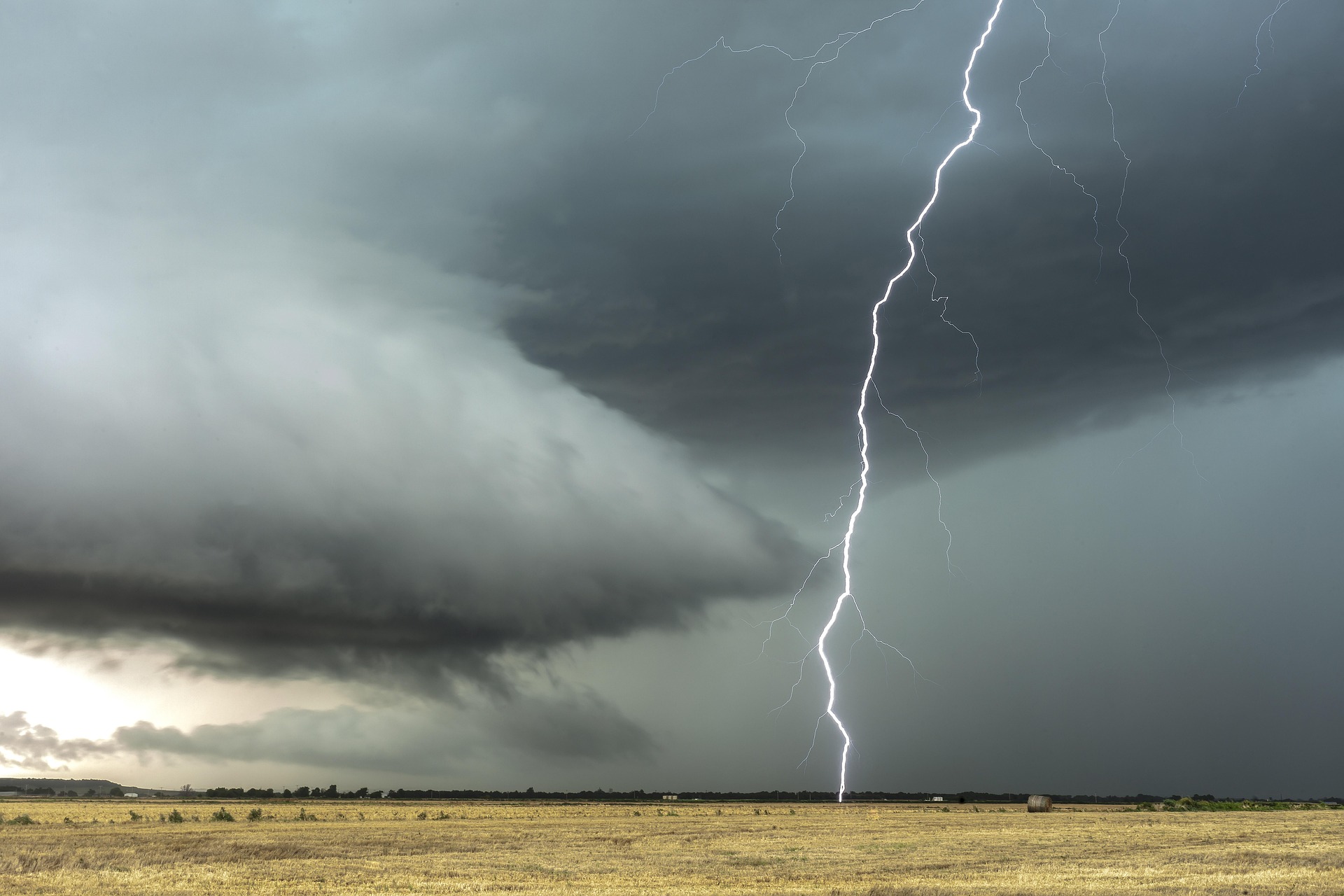
Severe weather season isn’t done with us yet, and now summer heat is stacking right on top of it, and the Atlantic hurricane season has officially arrived. Those three combined makes this the most dangerous stretch of the year to get complacent. If you haven’t checked your tornado preparedness plan or dusted off your NOAA Weather Radio, this week is the week. The heat safety information in this post could genuinely save a life, including your own. There’s also a new Tornado Quest Chronicles essay waiting for you, and nine links this week ranging from a missing chunk of Antarctic sea ice to an invisible line splitting the Earth in half that scientists still can’t fully explain. Lots of interesting reads below. Settle in and enjoy.
- Scientists just found an invisible line running through Africa, Europe, Alaska, and both poles that splits the Earth into two nearly identical halves…and they’re not entirely sure why it exists.
- Antarctica’s winter sea ice is missing a massive chunk. This could signal a troubling new normal.
- High above Earth, microbes are thriving where we least expect them. Could they be hitchhiking around the planet?
- Even a tiny temperature rise melts Alaska’s glaciers weeks longer and strips away protective snow, a rapid change that accelerates sea level rise and threatens global water supplies.
- There’s a hidden link between heat waves and wildfire, and the numbers might surprise you.
- A new forecasting tool warns of deadly heat waves months ahead for wildlife, but ranchers and pet owners alike should take note. Extreme heat kills animals across species, and proactive cooling measures may save lives until we address climate change itself.
- Let’s spend some time looking at heat and the human body. As temperatures climb, your next workout could come with a hidden danger. Are you prepared?
- Heat can overwhelm your body’s natural cooling system and shut down vital organs, but knowing how it happens and following safety tips can help you stay safe during extreme temperatures.
- Although I’ve mentioned El Niño in previous weeks, its arrival as a potentially record-breaking event that compounds climate change threats to global food security and extreme weather remains urgent enough to warrant a fresh update every week.
SEVERE WEATHER AND TORNADO SAFETY AND PREPAREDNESS
THE INVISIBLE STORM
NOAA WEATHER RADIO
Here’s your weekly reminder to check your NOAA weather radio’s batteries, programming, settings, and reception. NOAA has a comprehensive page on NOAA weather radio…a feature of the National weather Service in the USA that has saved countless lives.

US DROUGHT MONITOR
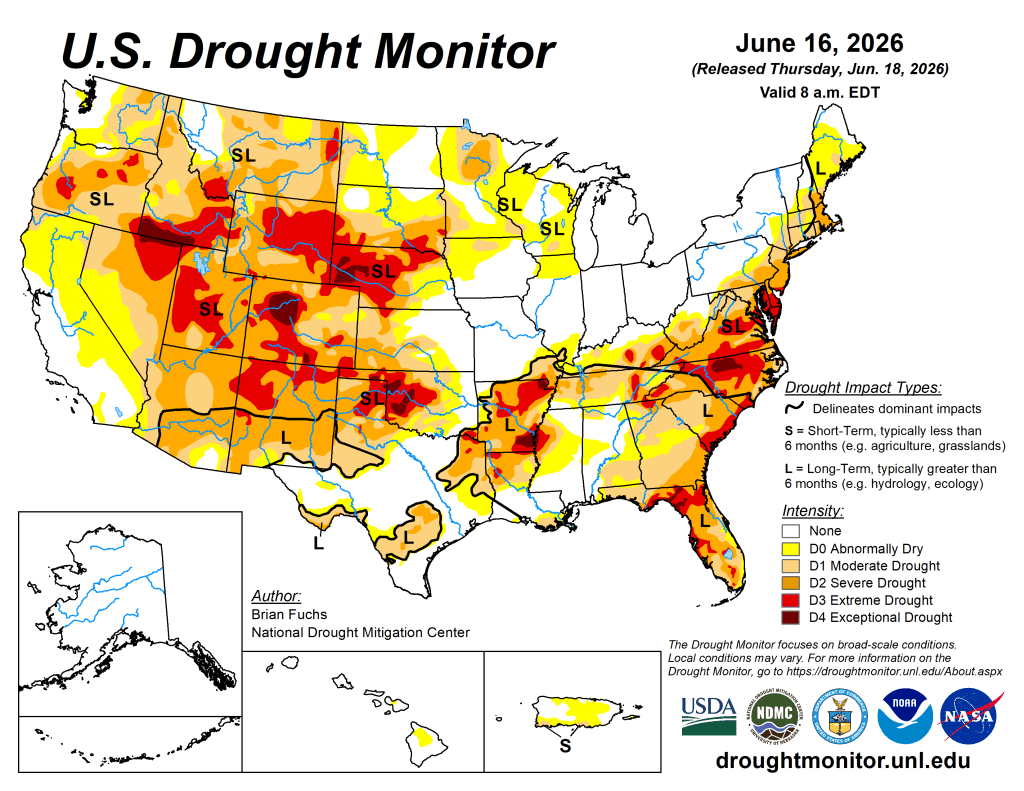
This week’s weather brought significant rain to the Midwest and southern Plains, with parts of Illinois and Indiana receiving 4–5 inches more than usual, helping ease long-term drought conditions. While much of the country saw near normal or warmer temperatures, areas like Montana and Wyoming were notably cooler, and New England experienced unusually warm weather. Looking ahead, Tropical Storm Arthur near the Texas coast is expected to push heavy moisture toward the Deep South over the next several days, potentially bringing both storm risks and welcome rainfall to Louisiana, Alabama, Georgia, and Tennessee. The Midwest and Eastern regions should see continued rain over the coming week, though the western U.S. will likely stay drier with warmer-than-average temperatures.
- NOAA’s US Drought Monitor website has the full regional details.
- The latest daily fire weather outlooks can be found at the Storm Prediction Center’s website.
CITIZEN SCIENCE
Citizen science lets everyday people actively shape real research by sharing observations and data. Join now to make a tangible impact, discover new insights, and become part of a global community driving scientific breakthroughs!
- The CoCoRaHS project invites weather enthusiasts to become citizen scientists by submitting daily precipitation reports that support forecasting and climate research even on dry days.
- Another path into becoming a citizen scientist is using the free mPING app! Your weather reports go directly to the National Severe Storms Laboratory in Norman, Oklahoma!
That’s a wrap for this week! Thanks for stopping by! See you next Saturday!
™ Tornado Quest © 1998‑2026 Tornado Quest, LLC. All Rights Reserved.


You must be logged in to post a comment.