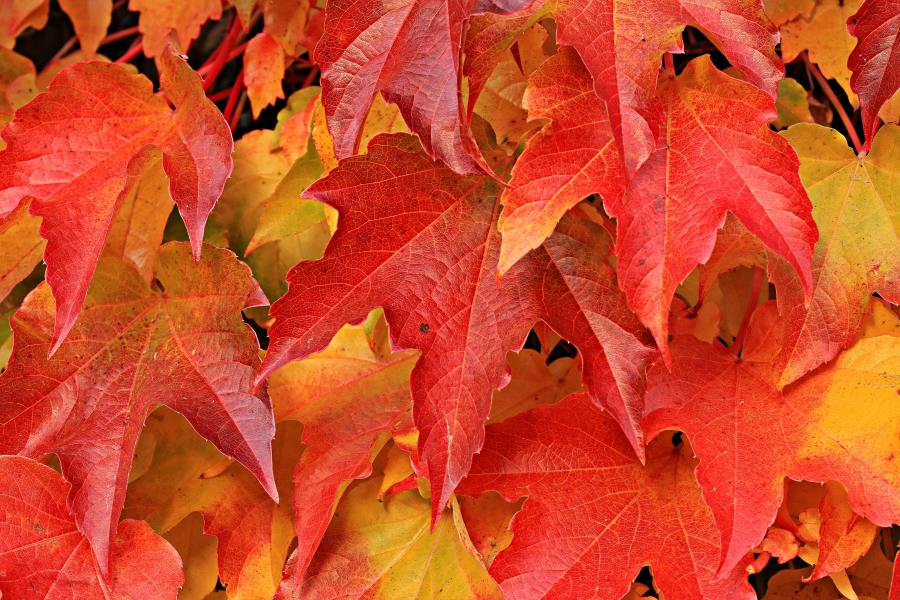
Greetings everyone, and welcome back. It’s good to see you. It’s been a rather quiet week weatherwise, so I’ll stick to what I always try to do: a handful of good reads worth your time, a few reminders that could matter on a bad day, and a little space to just think. The latest Tornado Quest Chronicles essay is up, and if you haven’t read the autumn edition yet, it’s a good one to settle in with. A friendly reminder that hurricane season runs through November 30, so it’s worth a few minutes to browse the hurricane safety and preparedness page. The quiet weeks are exactly when a quick preparedness check pays off. I’ve also added new entries to the citizen science links, so if you’ve ever wanted to help the researchers who study weather, climate, environmental science, and much more, now there are even more ways to pitch in from your home, school, workplace, or a morning walk. The US Drought Monitor update is there too. Pour something warm, get comfortable, and happy reading.
- After 35 years of discovery, Hubble is falling and NASA is turning to private companies for a daring rescue before it’s too late.
- While everyday people drowned, burned, and fled the climate disasters of 2026, a tiny few were quietly building bunkers, and new research reveals they weren’t just escaping the consequences.
- From mud choked roads on the Navajo Nation to water lapping at record levels in Miami and San Diego, America’s wild weather autumn is forcing an uncomfortable question about where all this is headed.
- The world’s most important climate conversation is happening right now. Everything you need to follow it, from the schedule to the stakes, is right here at the official COP31 website.
- As world leaders gather to tackle climate change, scientists have delivered a stark forecast. 2026 is almost certainly the hottest year ever recorded, and the warnings are getting personal.
- As wars, price shocks and unrest dominate the news, Britain’s foreign secretary makes a surprising argument about what’s really driving global insecurity…and it’s not what most people think.
- Love it or doubt it, here’s the plain-English guide to the one number the whole world is arguing about and what happens to your food, home, and wallet if we blow past it.
- The current El Niño is not only powerful, it’s the likes of nothing we’ve seen to date. Here’s what you need to know and how this could, and probably already is, affecting your weather.
- No doubt you’ve heard of the polar vortex. If you haven’t, this read will tell you why this atmospheric phenomenon has many meteorologists not a little concerned about the coming winter.
- Let’s end on a very pleasant note. Take a look at these spectacular images of our planet at its ‘weather best.’ Your eyes will thank you.
HURRICANE SAFETY AND PREPAREDNESS
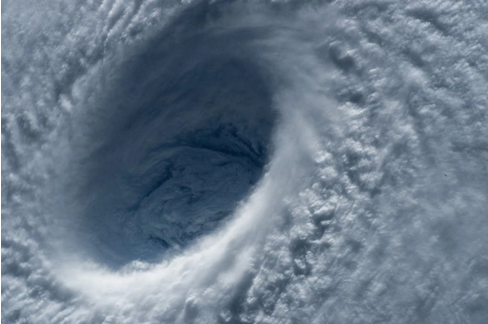
The Atlantic may have gone quiet, but don’t mistake silence for safety.
In spite of the current spate of serenity in the tropical Atlantic, the hurricane season’s not over. Tropical cyclone formation isn’t likely this week, but that is something that will be monitored for several weeks to come.
The encouraging news is that hurricane preparedness works year round. Every family that had a plan, stocked supplies, and heeded warnings ahead of Hurricane Isaias got through it far better than those who didn’t. There’s still time to join them. Review your emergency plan, check your supplies, and know your evacuation route before a watch is issued and store shelves empty. Preparedness isn’t paranoia; it’s the reason some families weather storms calmly while others scramble.
One storm is all it takes to undo months of quiet. The Atlantic isn’t done waking up so make sure you are. Stay prepared, stay informed, and get a good start at the link below.
US DROUGHT MONITOR UPDATE
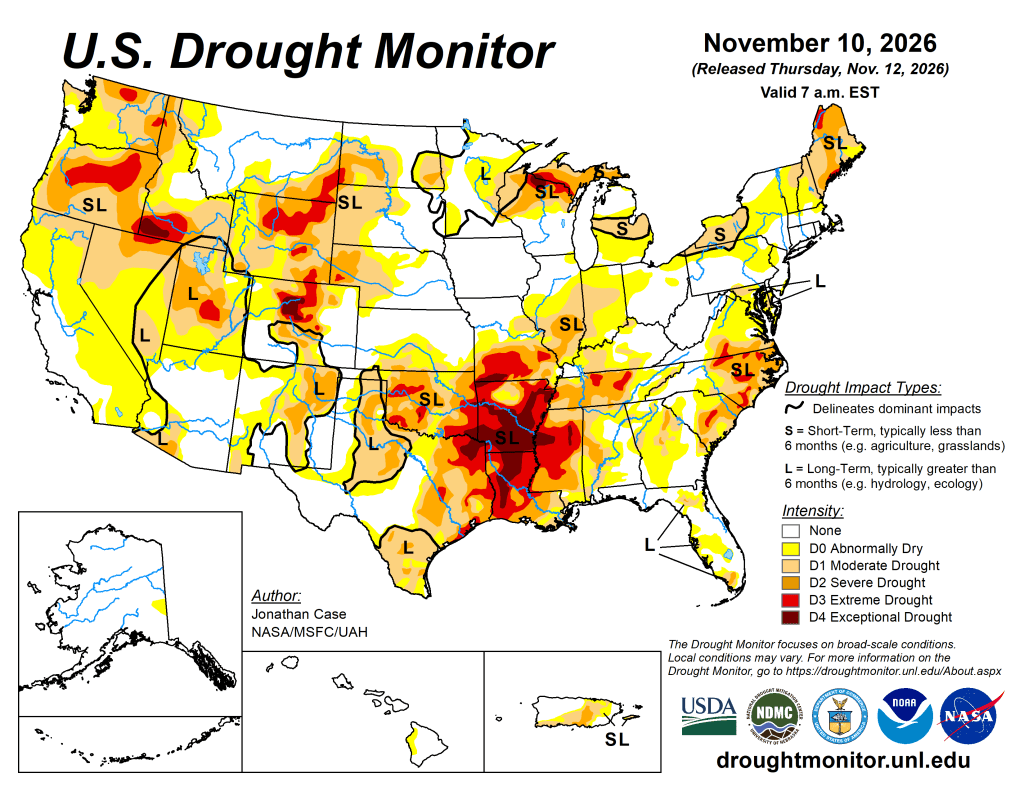
US Drought Monitor Summary
The country’s weather stays split just like last week. Drought is deepening in the lower Mississippi Valley and Great Lakes, while heavy rain has eased dry conditions across much of Texas, the Southern Appalachians, and parts of Minnesota and Wisconsin. The Southwest’s Four Corners also caught a slight break, though those same rains filled reservoirs fast and caused serious flooding. Looking ahead, it’s possible heavy rains are in store for Pennsylvania, New York, and southern New England with a wet stretch for the West Coast from Central California to Washington. Welcome rains are also possible for East Texas into Oklahoma and Kansas. The Northern Plains and Southeast stay mostly dry, with the Plains running unusually warm.
- NOAA’s US Drought Monitor website has the full regional and state drought conditions details.
- The latest daily fire weather outlooks can be found at the Storm Prediction Center’s website.
NOAA WEATHER RADIO

Here’s your weekly reminder to check your NOAA weather radio’s batteries, programming, settings, and reception. NOAA has a comprehensive page on NOAA weather radio…a feature of the National weather Service in the USA that has saved countless lives.
CITIZEN SCIENCE
Science doesn’t just happen in labs. It happens in backyards, on phones, and under night skies. And right now, researchers genuinely need your help. Below are places where you can roll up your sleeves, contribute real data, and make a difference for your community and the scientific community alike.
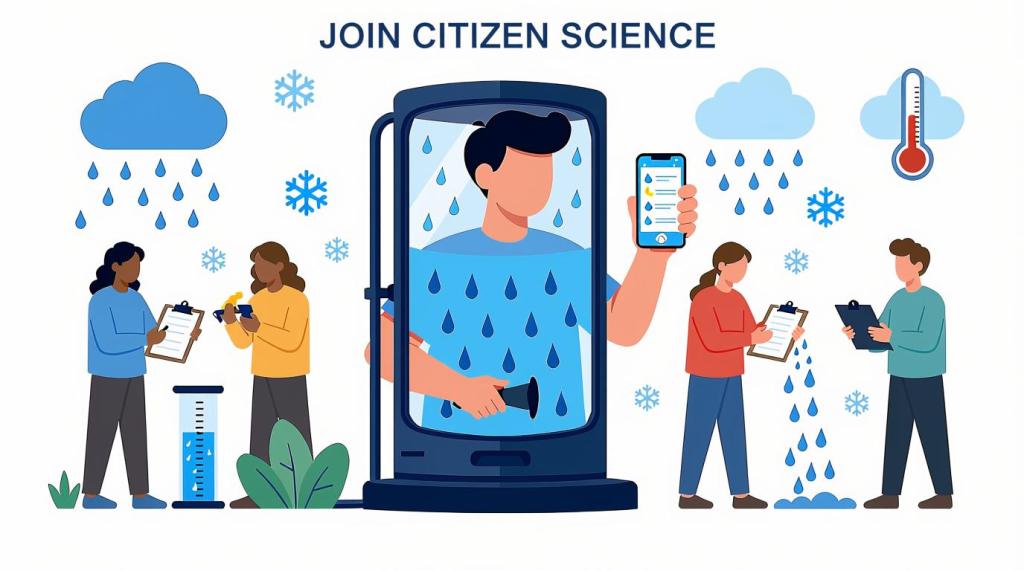
Citizen science lets everyday people actively shape real research by sharing observations and data. Join now to make a tangible impact, discover new insights, and become part of a global community driving scientific breakthroughs!
- The CoCoRaHS project invites weather enthusiasts to become citizen scientists by submitting daily precipitation reports that support forecasting and climate research even on dry days.
- Another path into becoming a citizen scientist is using the free mPING app! Your weather reports go directly to the National Severe Storms Laboratory in Norman, Oklahoma!
- SKYWARN has been around for decades, and for a good reason. When you get the next tornado warning, the reports that made it possible may have come from your neighbors, or someone like you. SKYWARN turns everyday people into the National Weather Service’s eyes on the ground.
- iSeeChange is where stories about the weird weather in your neighborhood aren’t small talk, they’re climate data, and this platform connects what you’re seeing to real science.
- GLOBE Observer is amazing. NASA scientists can’t be everywhere, but with a phone and a few minutes, you can collect the cloud, land, and mosquito data their satellites can’t get.
- SciStarter is a great place to explore a vast variety of citizen science projects.
- Zoonivese is another website that has a plethora of citizen science projects from climate to astronomy to ecology.
That’s a wrap for this week! Thanks for stopping by! See you next Saturday!
™ Tornado Quest © 1998‑2026 Tornado Quest, LLC. All Rights Reserved.


You must be logged in to post a comment.