
August has arrived — and with it come two key concerns: summer heat safety and the approaching peak of Atlantic hurricane season during the next few weeks. Despite current quiet conditions in the Atlantic, now is the time to prepare. This week, you’ll find a wealth of hurricane preparedness information, engaging science reads including the latest update on the Atlantic hurricane season, the latest update from the U.S. Drought Monitor, and a timely reminder to check your NOAA weather radio. A quick test now could save lives later. Let’s dive in.
- Researchers have discovered clear evidence in ancient Australian rocks that tectonic plates were already moving 3.5 billion years ago, significantly earlier than previously confirmed.
- Despite being one of the largest earthquakes ever recorded, the 8.8 magnitude quake off Russia’s Kamchatka Peninsula on July 29 produced surprisingly mild tsunami waves due to geological and coastal factors.
- Nations convene in Geneva for a crucial 10-day meeting to finalize a landmark treaty against plastic pollution, with disagreements persisting over whether to mandate cuts in plastic production.
- The EPA’s proposed repeal of the 2009 endangerment finding, based on a disputed report, threatens climate regulations and aligns with pro-fossil fuel policies despite scientific consensus on climate change.
- Many Texas residents faces complex rebuilding challenges after the devastating July 4 floods, exacerbated by limited flood insurance, uncertain federal support, and stricter building codes to prevent future risks.
- Wildfire smoke can travel long distances, degrading air quality and posing health risks, especially for sensitive groups.
- Climate-driven disasters disproportionately devastate American small businesses, causing prolonged economic damage beyond immediate physical destruction.
- A new hurricane study reveals that tropical cyclone clusters, where multiple storms occur simultaneously, are increasing in the North Atlantic, posing greater risks to coastal regions.
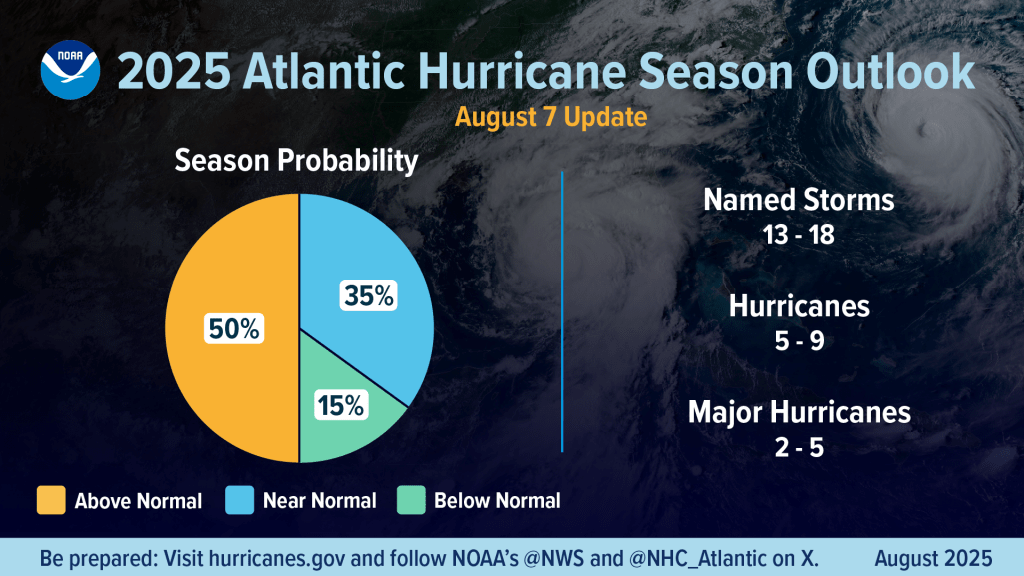
- NOAA’s updated 2025 Atlantic Hurricane Season Outlook predicts 13-18 named storms, including 5-9 hurricanes and 2-5 major hurricanes, with a 50% chance of above-normal activity.
US DROUGHT MONITOR
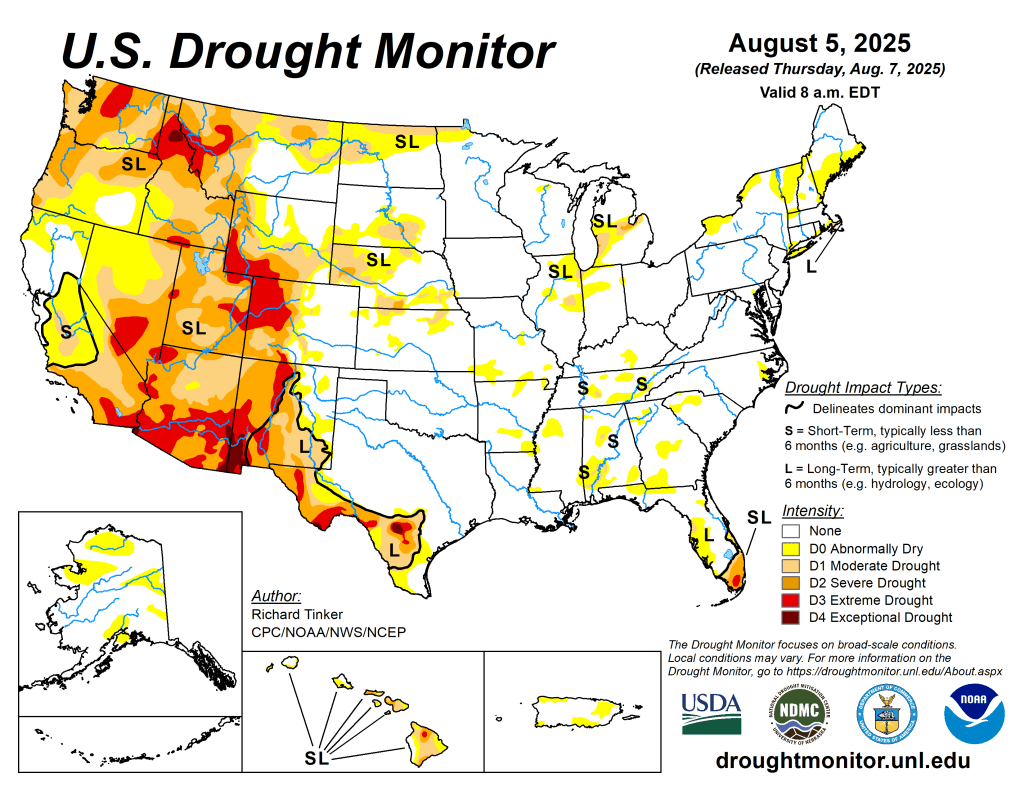
- Here’s the latest update on the US Drought Monitor. The USA saw significant shifts in drought conditions last week, with improvements in some regions due to heavy rain, while others experienced worsening drought from heat and dryness. The latest fire weather outlooks can be found at the Storm Prediction Center website where they are updated daily.
SUMMER HEAT SAFETY
THE BEACH AND SUN: SUMMER SAFETY TIPS FROM NOAA


HURRICANE PREPAREDNESS
Several named storms have taken place in the Atlantic basin, and a new 2025 update has just been issued. The Atlantic is primed, and the peak of hurricane season is just arriving. Here’s the link to the revised 2025 Atlantic hurricane season outlook.
Complacency kills. Mother Nature doesn’t check your calendar. Prepare early, stay vigilant, and protect what matters most.
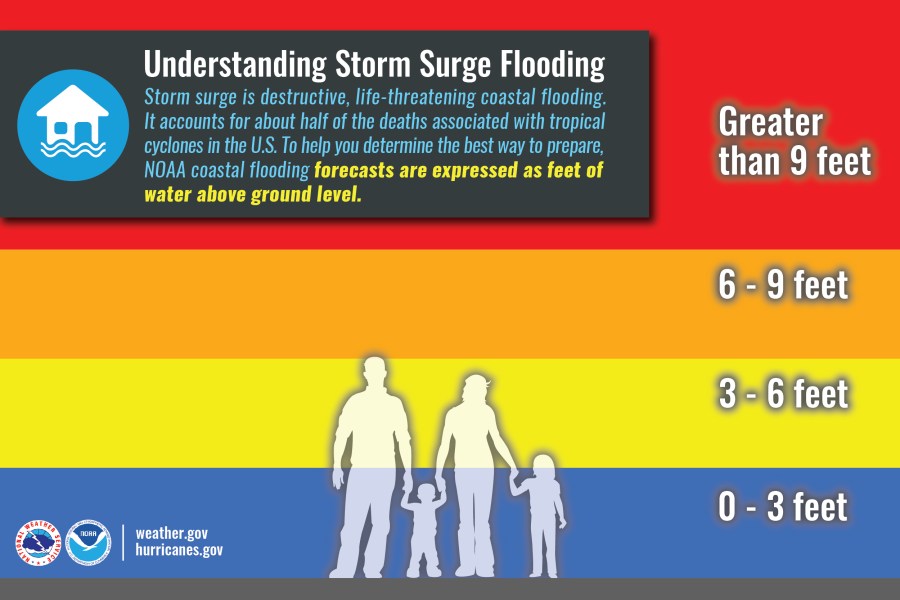
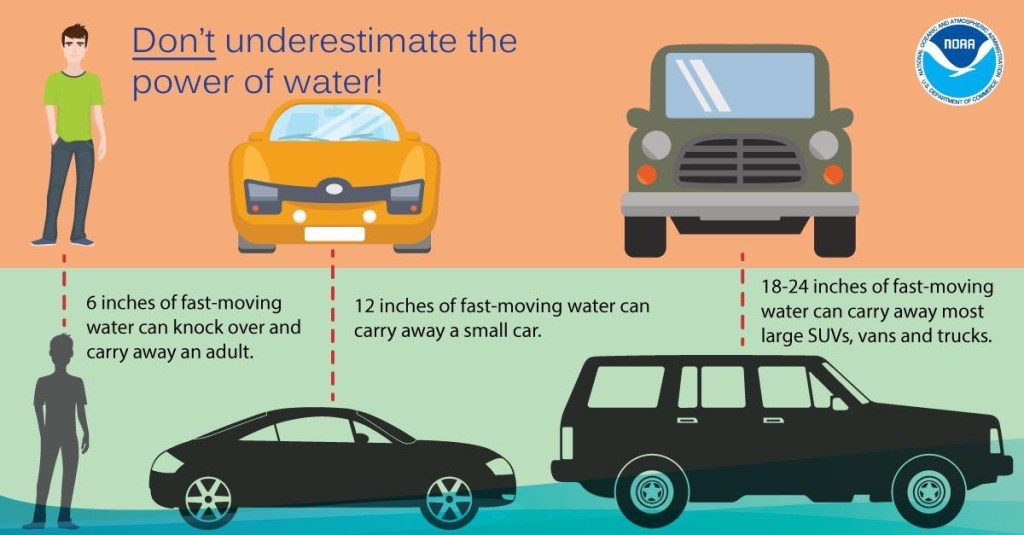
HURRICANE PREPAREDNESS FROM NOAA
HURRICANE PREPAREDNESS FROM RED CROSS
PREPARE YOUR PETS FOR DISASTERS
HOW TO BUILD AN EMERGENCY KIT – INFORMATION COURTESY READY.GOV
THE SAFFIR-SIMPSON HURRICANE WIND SCALE

NOAA WEATHER RADIO
Here’s your weekly reminder to check your NOAA weather radio’s operation and its batteries. NOAA has a comprehensive page on NOAA weather radio…a feature of the National weather Service in the USA that has saved countless lives.

CITIZEN SCIENCE
- The CoCoRaHS project invites weather enthusiasts to become citizen scientists by submitting daily precipitation reports that support forecasting and climate research even on dry days.
- Another path into becoming a citizen scientist is using the free mPING app! Your weather reports go directly to the National Severe Storms Laboratory in Norman, OK!
That’s a wrap for this week! Thanks for stopping by! See you next Saturday!
Copyright © 2025 Tornado Quest, LLC. All Rights Reserved.
 TORNADO QUEST
You must be logged in to post a comment.