The tropical Atlantic is quiet for now, but time exists for more tropical cyclones. The Atlantic hurricane season officially ends 30 November 2025. This is the opportune time to prepare for a late season tropical storm or hurricane this year, or get ready for the big one…next year. This week, I’ve prepared a carefully curated bevy of thought provoking reads, the latest USA Drought Monitor Map, and your weekly reminder to test your NOAA weather radio…even when the weather’s nice. Let’s get started.
- The government shutdown may be over, but its fallout (which includes National Weather Service forecasts for where you live) will hit your paycheck and other essential services soon, so you need to know what’s coming next.
- A new simulation suggests that dense star clusters could rapidly seed supermassive black holes, explaining both their early growth and the fleeting “little red dots” seen by James Webb Space Telescope.
- Discover the stunning, color‑coded radio portrait of the Milky Way—the most detailed side‑view ever created—that reveals hidden supernova remnants and galactic secrets, and learn why astronomers say it changes how we map our own galaxy.
- An anomaly in the Earth’s magnetic field is rapidly expanding, putting satellites, GPS signals and astronaut health at greater risk—meaning the navigation, communications and tech you depend on every day could become less reliable or fail.
- A recent report released at the COP30 in Brazil warns that nations’ climate plans rely on unrealistic, massive land‑based carbon removal schemes instead of protecting existing forests, creating a “land gap” and a “forest gap” that jeopardize emissions targets, biodiversity, and vulnerable communities.
- A new study reveals widespread misconceptions about the environmental impact of everyday foods, underscoring the need for clear impact labeling to guide more sustainable consumer choices.
- A long‑term drying of an east African lake has sparked earthquakes and volcanoes, showing how climate‑driven water loss could destabilize other lakes worldwide.
- Even tiny gains from the Paris climate agreement are already slashing future deadly heatwaves. Discover how every fraction of a degree saved could mean the difference between survival and catastrophe – even for you.
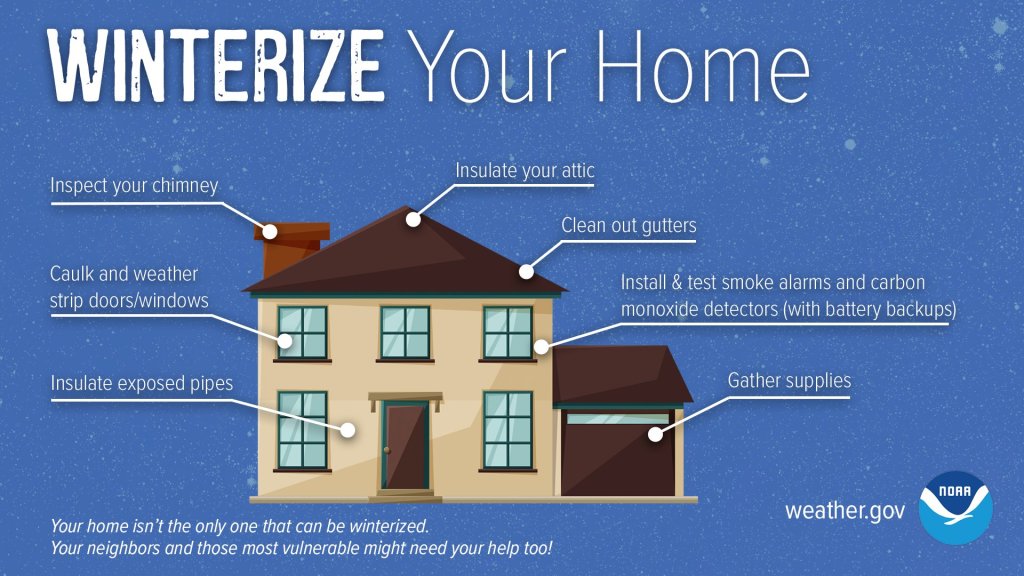
- It’s not too early to think about winter weather safety and preparedness. Here’s an informative site for your winter weather safety info from NOAA’s National Weather Service.
HURRICANE PREPAREDNESS
Complacency kills. Mother Nature doesn’t check your calendar. Prepare early, stay vigilant, and protect what matters most.
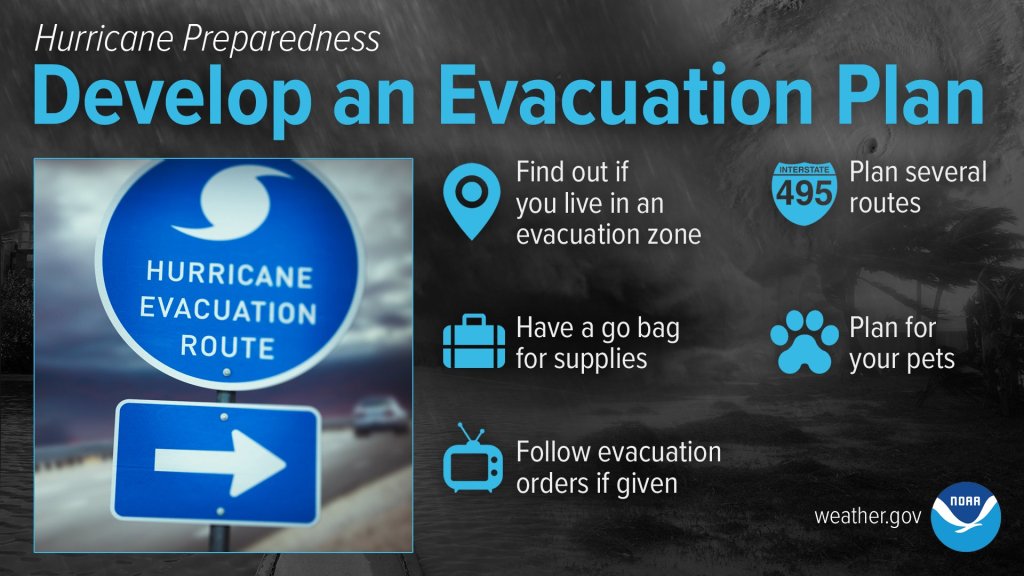
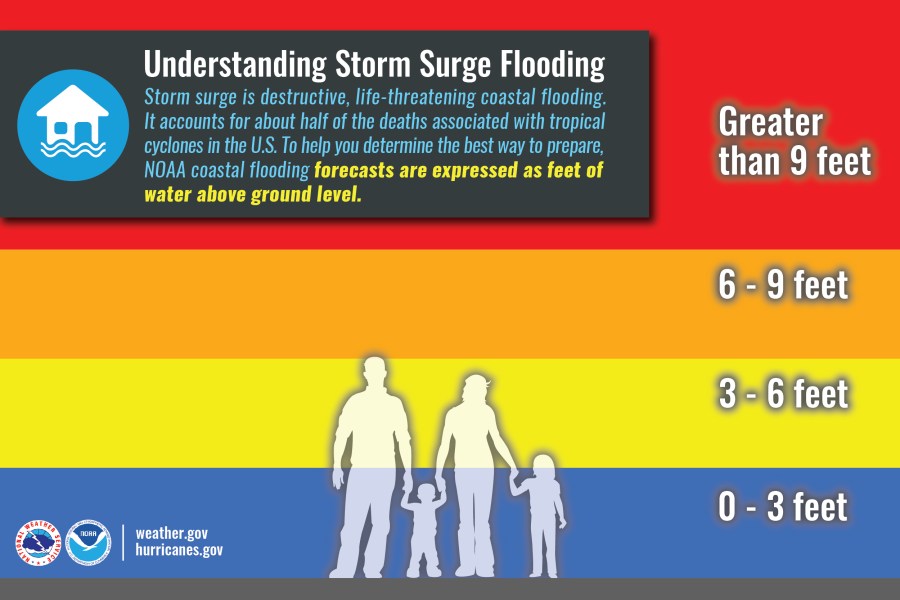

NOAA’s updated 2025 Atlantic Hurricane Season Outlook predicted 13-18 named storms, including 5-9 hurricanes and 2-5 major hurricanes, with a 50% chance of above-normal activity. The Atlantic hurricane season officially comes to an end on November 30, 2025. Regardless of the date or season, it only takes one land-falling storm to make for devastating, and deadly, scenario.
HURRICANE PREPAREDNESS FROM NOAA
HURRICANE PREPAREDNESS FROM RED CROSS
AMERICAN RED CROSS EMERGENCY CONTACT CARD
PREPARE YOUR PETS FOR DISASTERS
HOW TO BUILD AN EMERGENCY KIT – INFORMATION COURTESY READY.GOV
HOW TO PREPARE FOR A HURRICANE
THE SAFFIR-SIMPSON HURRICANE WIND SCALE
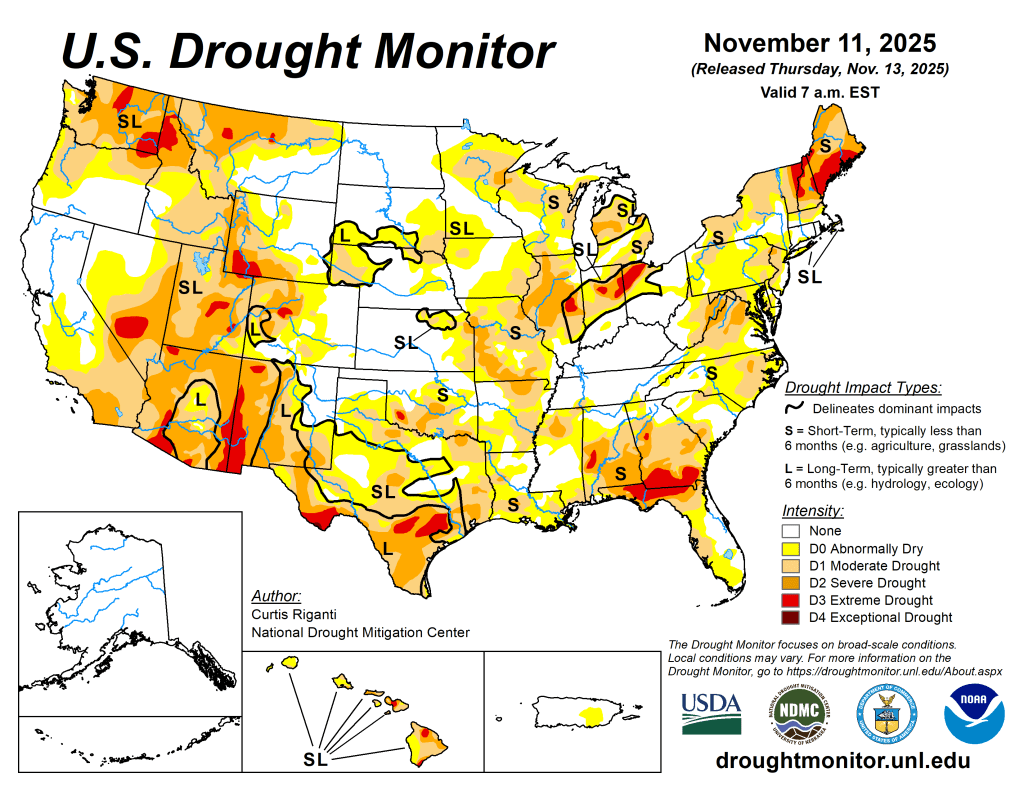
US DROUGHT MONITOR
Here’s this week’s update on the US Drought Monitor. Most of the Great Plains, Midwest, South‑Central U.S., and Southeast stayed dry, while the Pacific Northwest, northern California, and parts of the Northeast received moderate‑to‑heavy rain and snow, leading to weather‑related improvements there and degradations in the drier central and southeastern regions. The latest fire weather outlooks can be found at the Storm Prediction Center website where they are updated daily.
NOAA WEATHER RADIO
Here’s your weekly reminder to check your NOAA weather radio’s operation and its batteries. NOAA has a comprehensive page on NOAA weather radio…a feature of the National weather Service in the USA that has saved countless lives.

CITIZEN SCIENCE
Citizen science lets everyday people actively shape real research by sharing observations and data. Join now to make a tangible impact, discover new insights, and become part of a global community driving scientific breakthroughs!
- The CoCoRaHS project invites weather enthusiasts to become citizen scientists by submitting daily precipitation reports that support forecasting and climate research even on dry days.
- Another path into becoming a citizen scientist is using the free mPING app! Your weather reports go directly to the National Severe Storms Laboratory in Norman, OK!
That’s a wrap for this week! Thanks for stopping by! See you next Saturday!
™ Tornado Quest © 1998‑2025 Tornado Quest, LLC. All Rights Reserved.
 TORNADO QUEST
You must be logged in to post a comment.