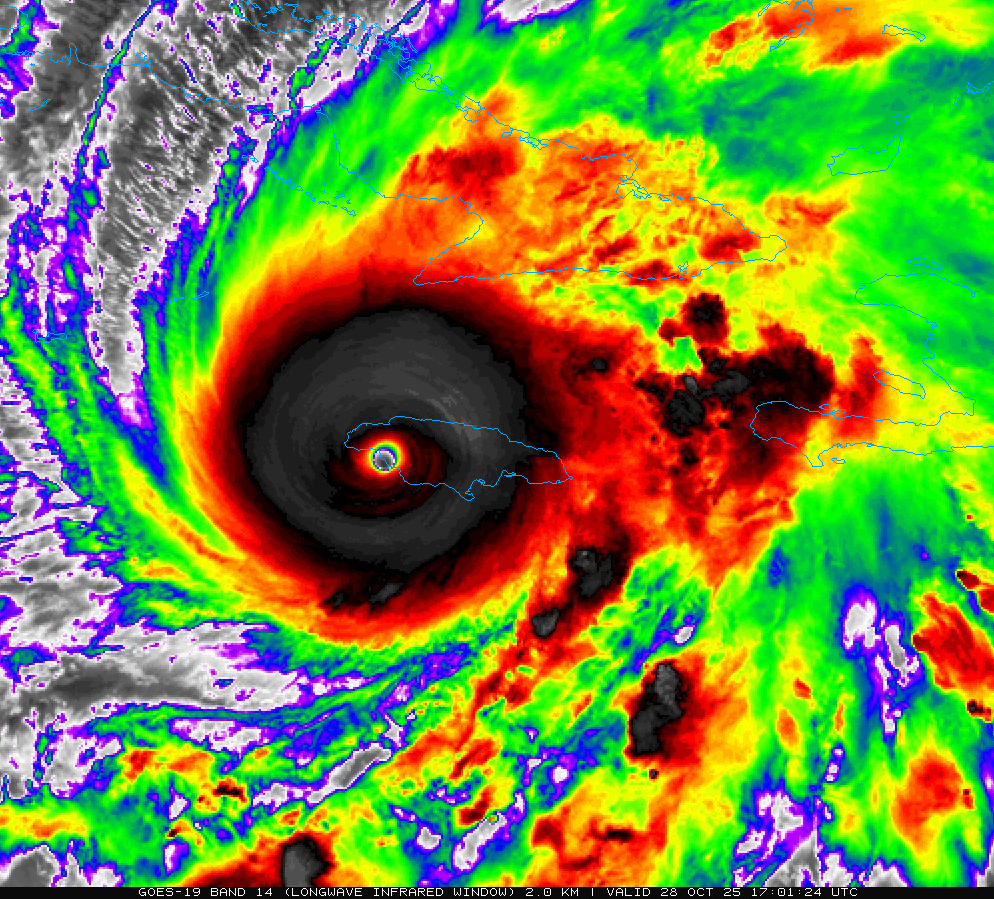
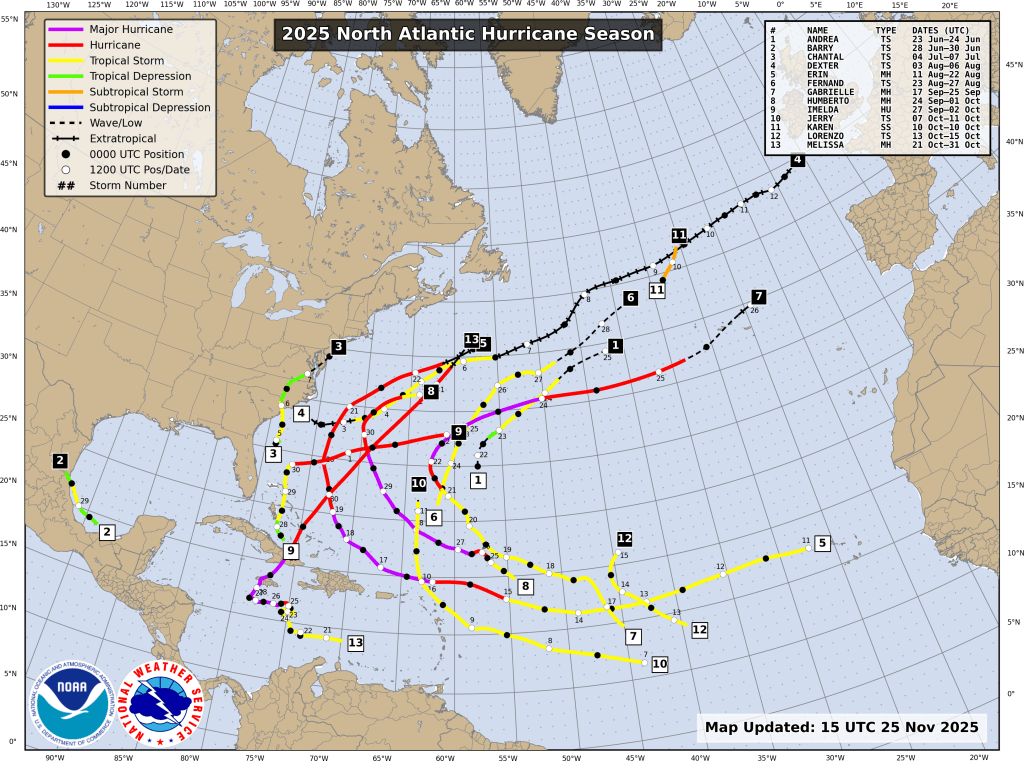
The Atlantic hurricane season comes to an official end on November 30, 2025. This week, we’ll take a look back at a remarkable year. In this edition I’ve gathered a handful of thought‑provoking articles, the newest U.S. Drought Monitor map, and a friendly reminder to test your NOAA weather radio…even when the skies look clear. And be sure to check out the Tornado Quest Chronicles, a new monthly essay that will cover a wide variety of science based topics. Let’s dive in!
- The James Webb Space Telescope’s observations of distant galaxies reveal chemical signatures suggesting the existence of ultra‑massive stars, up to 10,000 times the Sun’s mass, that challenge traditional stellar size limits of how big a star can be.
- For the first time, NASA’s Perseverance rover recorded tiny electrical discharges from colliding dust grains in Mars’ atmosphere, revealing a new hazard for future missions and the search for life.
- If you’d like to read more about Mars, take a look at this fascinating piece on those lightning‑like sparks that arise when strong winds rub dust particles together, a phenomenon previously observed only on Earth, Saturn and Jupiter.
- Attending a football game in a scorching stadium can quickly turn excitement into danger, as extreme heat and dehydration put fans at serious risk of medical emergencies.
- During the holiday season, it’s easy to generate more trash or recyclables than usual. Here’s a good listen from Science Friday on the final destinations the plastic and other trash we generate goes to.
- COP30 in Brazil failed to include explicit commitments to end fossil‑fuel use, delivering watered‑down language that acknowledges a transition but offers no concrete roadmaps. Without clear, science‑based targets the climate agenda remains a “theater of delay” and urgent action is still needed.
- Despite a decade since the Paris Agreement, climate action has stalled (no meaningful fossil‑fuel cuts or deforestation bans at recent COPs ) meaning the planet’s warming is accelerating unchecked, threatening increasingly severe impacts on societies worldwide.
- The 2025 Atlantic hurricane season officially ends on November 30. It was a season marked by unprecedented AI‑enhanced forecasts, three record‑tying Category 5 storms, and a rare U.S. hurricane lull. All of these showcased dramatic swings from tranquil stretches to fierce, powerful storms. Let’s take a look back at a remarkable year.
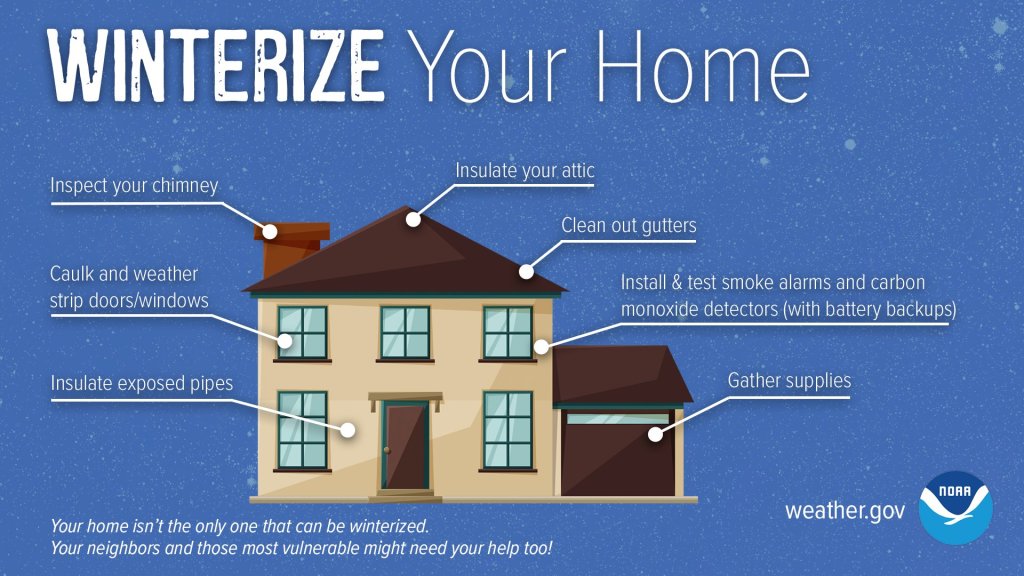
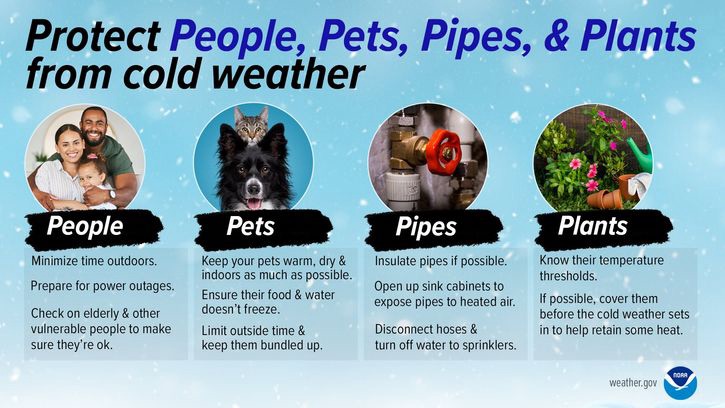
WINTER WEATHER PREPAREDNESS
- Meteorological winter arrives on December 1, 2025. Are you ready? Here’s your winter weather safety and preparedness link. Click here to see a very comprehensive site for all of your winter weather safety info from NOAA’s National Weather Service.



HOW TO BUILD AN EMERGENCY KIT – INFORMATION COURTESY READY.GOV
PREPARE YOUR PETS FOR DISASTERS
AMERICAN RED CROSS EMERGENCY CONTACT CARD
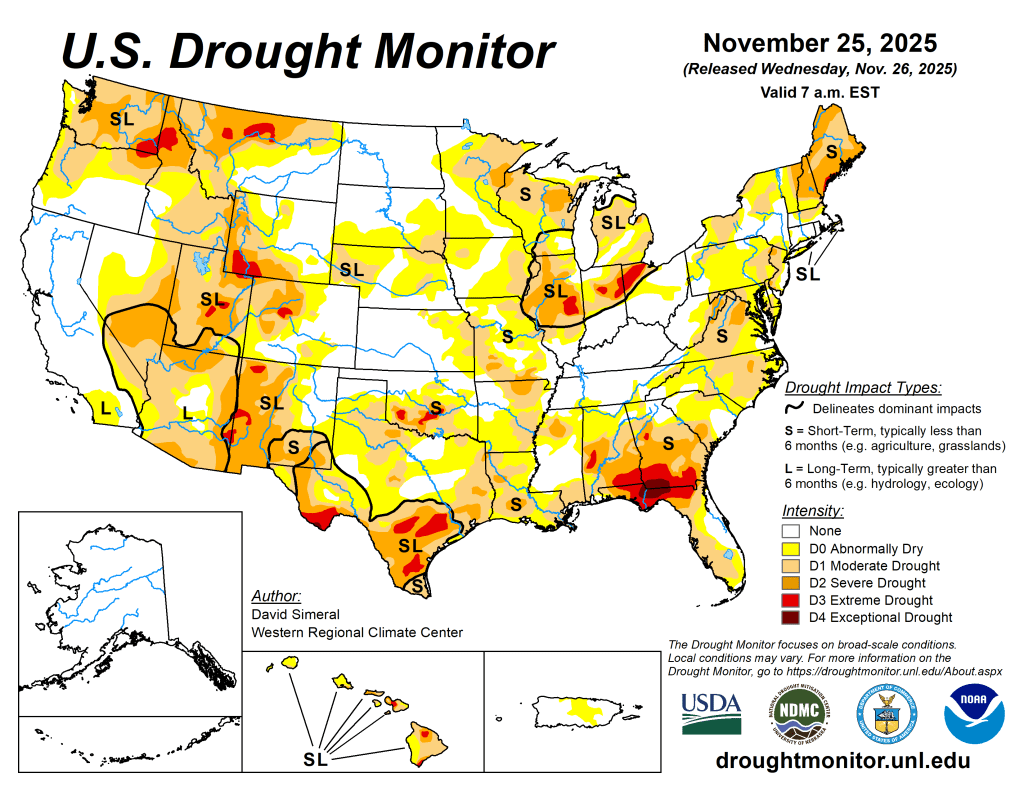
US DROUGHT MONITOR
Here’s this week’s update on the US Drought Monitor. Recent rains have eased droughts across much of the West, Midwest, and Northeast, while the Southwest and Pacific Northwest remain dry, and reservoir levels vary widely from near‑average in California to critically low in parts of the Southwest.. The latest fire weather outlooks can be found at the Storm Prediction Center website where they are updated daily.
NOAA WEATHER RADIO
Here’s your weekly reminder to check your NOAA weather radio’s operation and its batteries. NOAA has a comprehensive page on NOAA weather radio…a feature of the National weather Service in the USA that has saved countless lives.

CITIZEN SCIENCE
Citizen science lets everyday people actively shape real research by sharing observations and data. Join now to make a tangible impact, discover new insights, and become part of a global community driving scientific breakthroughs!
- The CoCoRaHS project invites weather enthusiasts to become citizen scientists by submitting daily precipitation reports that support forecasting and climate research even on dry days.
- Another path into becoming a citizen scientist is using the free mPING app! Your weather reports go directly to the National Severe Storms Laboratory in Norman, OK!
That’s a wrap for this week! Thanks for stopping by! See you next Saturday!
™ Tornado Quest © 1998‑2025 Tornado Quest, LLC. All Rights Reserved.
 TORNADO QUEST
You must be logged in to post a comment.