
September 1st marks the beginning of meteorological autumn in the Northern Hemisphere and spring for our readers south of the equator. The atmosphere, however, has not read the calendar. Heat over the central and southern USA Plains is brutal with no relief in sight, drought conditions are worsening across large parts of the country, and the Atlantic hurricane season has been quiet…which is exactly when people stop paying attention, and exactly when they shouldn’t. The Tornado Quest Chronicles essay is in this week’s post, the hurricane safety page and the Invisible Storm heat safety page are here when you need them, citizen science links and the NOAA Weather Radio reminder are in the post, and Tornado Quest is back on Instagram, so come find us there. Eleven reads this week that range from a UN report delivering news the world’s most vulnerable nations feared most, to MapQuest quietly keeping names on the North American map where they belong. Settle in. There are important reads which could save your life.
- Hubble spent 30 years mapping the sky. Now NASA’s Roman telescope is ready to scan much more and promises discoveries that could rewrite our understanding of dark matter, dark energy, and worlds beyond our solar system.
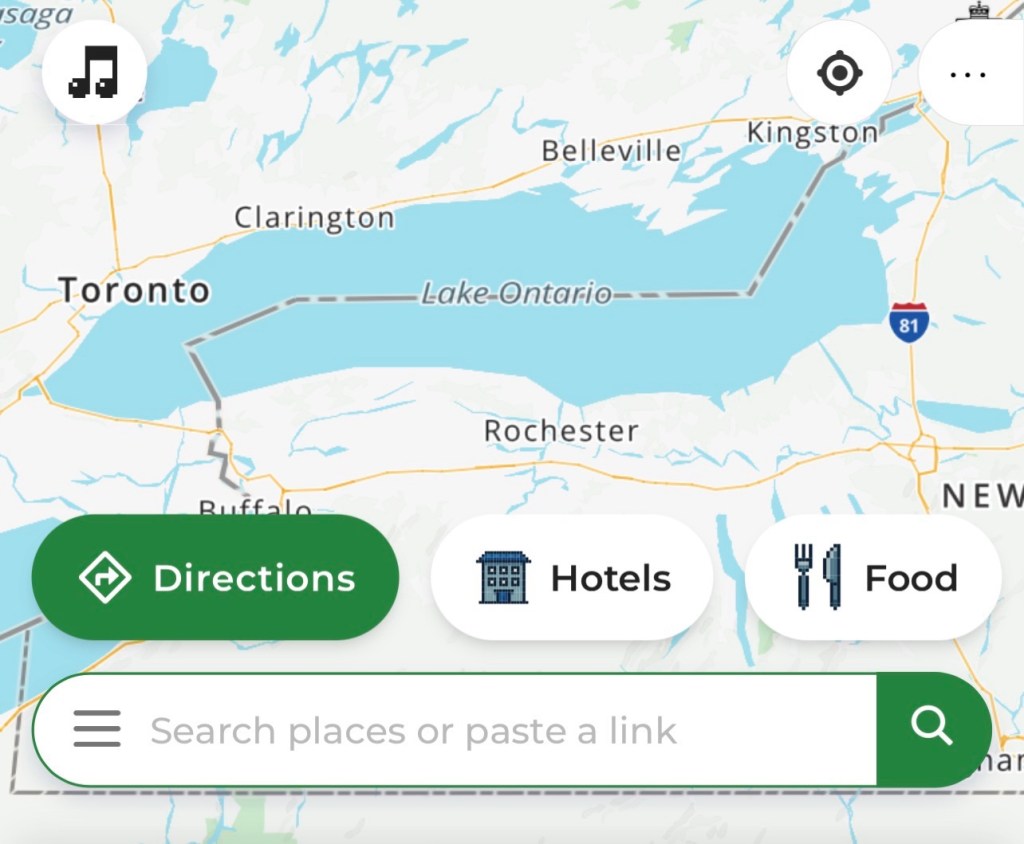
- A directive to rename Lake Ontario bypasses the standard U.S. geographic naming process, risking confusion for anyone relying on accurate maps when official decisions cross international borders.
- Without deep community engagement, green neighborhood renovations face challenges. This is critical since cities drive massive emissions and their success depends entirely on residents’ trust and participation.
- A Yale study shows air conditioning reduces heat deaths by 57% (saving 5,000 lives yearly). However, over 25% of households can’t afford to run it during record-breaking heat and protection fails even with use on extreme days.
- A recent poll shows 67% of respondents fear extreme heat’s escalating health threats, including heatstroke, heart attacks, and strokes, that increasingly endanger daily life.
- Suburban neighborhoods are expanding into wildfire zones across the American West. What happens when the roads leading out can’t handle everyone fleeing at once, and the smoke becomes as deadly as the flames?
- Monsoons regularly flash flood the Grand Canyon. What turned this routine storm into a deadly disaster that closed hotels, severed the only water supply to the South Rim, and left hikers trapped below the canyon walls?
- A new UN report delivers news the world’s most vulnerable nations feared most. News that could reshape climate law, trigger legal battles against governments, and affect your community. What does it say?
- This NOAA article plainly explains flash droughts and how they can hit everyday Americans through higher grocery bills, wildfire smoke, and water restrictions.
- Fortunately, Category 5 hurricanes are rare in the USA. But, they do occur. Here’s a concise look back at the verified Category 5 hurricanes that have made landfall in the USA.
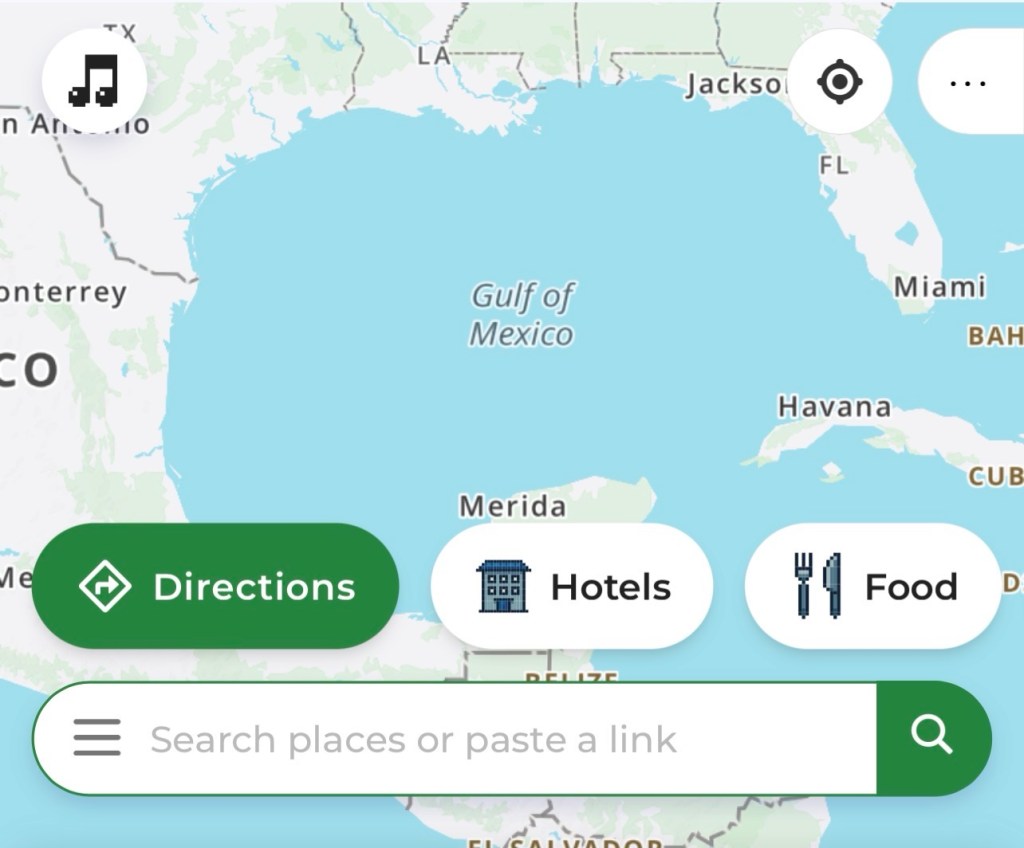
- Last but not least, a tip of the hat to MapQuest. Keeping the Gulf of Mexico & Lake Ontario on the map because intelligence + geography > sophomoric ego.
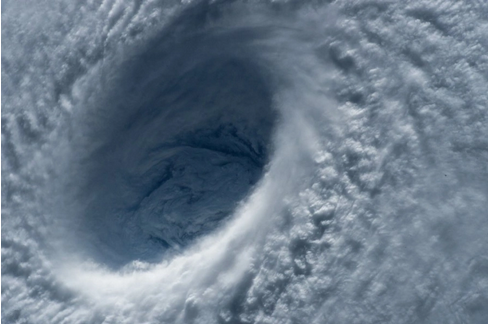
HURRICANE AND TROPICAL CYCLONE SAFETY AND PREPAREDNESS
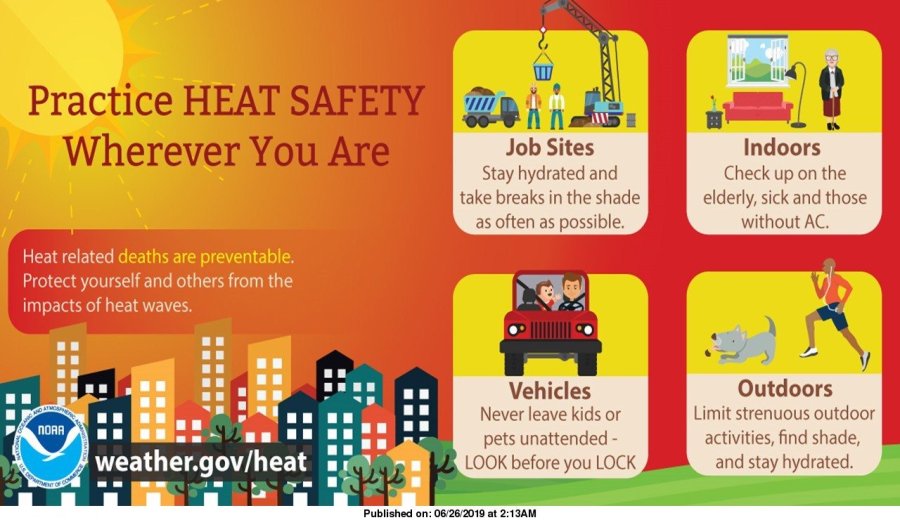
THE INVISIBLE STORM
NOAA WEATHER RADIO

Here’s your weekly reminder to check your NOAA weather radio’s batteries, programming, settings, and reception. NOAA has a comprehensive page on NOAA weather radio…a feature of the National weather Service in the USA that has saved countless lives.
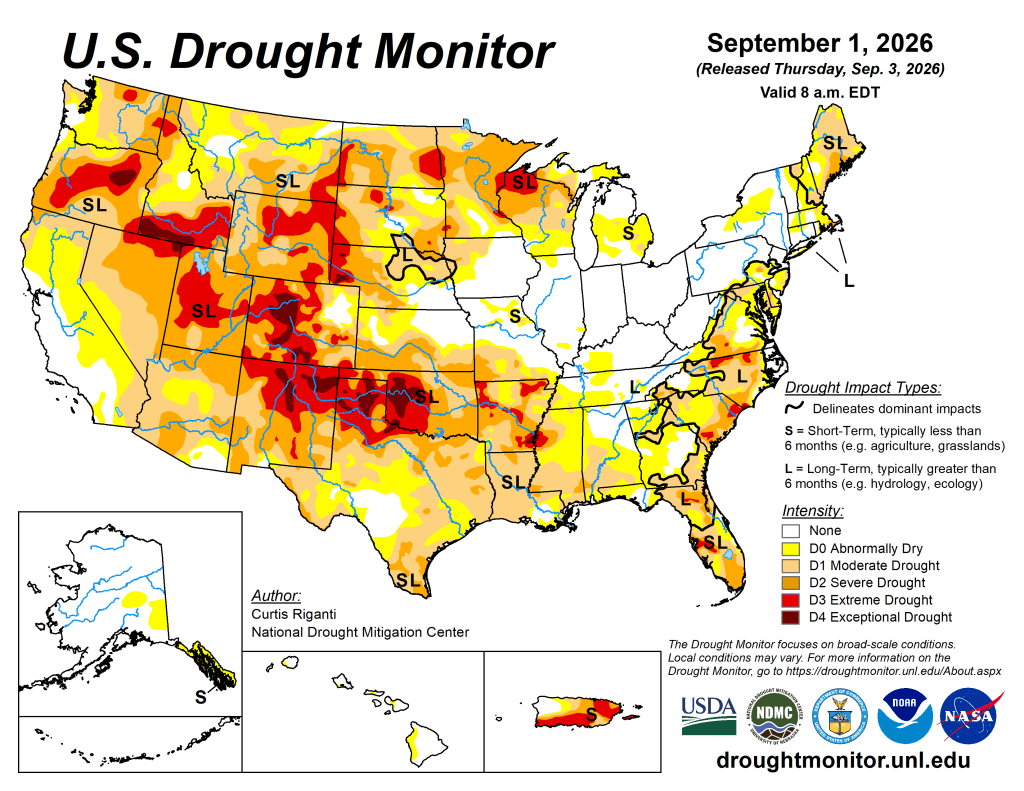
US DROUGHT MONITOR
Summary
Much of the middle of the country stayed unusually dry this week, and a “flash drought” (a rapidly developing dry spell) stretched from Texas up through Oklahoma, Kansas, Missouri, Arkansas, Mississippi, and western Tennessee. Because it’s been both hotter and drier than normal in these areas, the drought has grown worse, hurting crops and raising wildfire risk. Some spots did catch a break: heavy rains brought relief to parts of the Northeast, Southeast, Wyoming, Colorado, and Nebraska, improving conditions there. But areas that missed the rain got even drier, including parts of the Dakotas, Minnesota, and northern California, where a lack of winter snow made things worse. Puerto Rico remains in serious drought despite some rain from a tropical storm, while Alaska saw a bit of improvement. Even though it’s late August, many regions are still broiling in dangerous heat wave conditions. See The Invisible Storm for heat safety information.
- NOAA’s US Drought Monitor website has the full regional and state details.
- The latest daily fire weather outlooks can be found at the Storm Prediction Center’s website.
CITIZEN SCIENCE
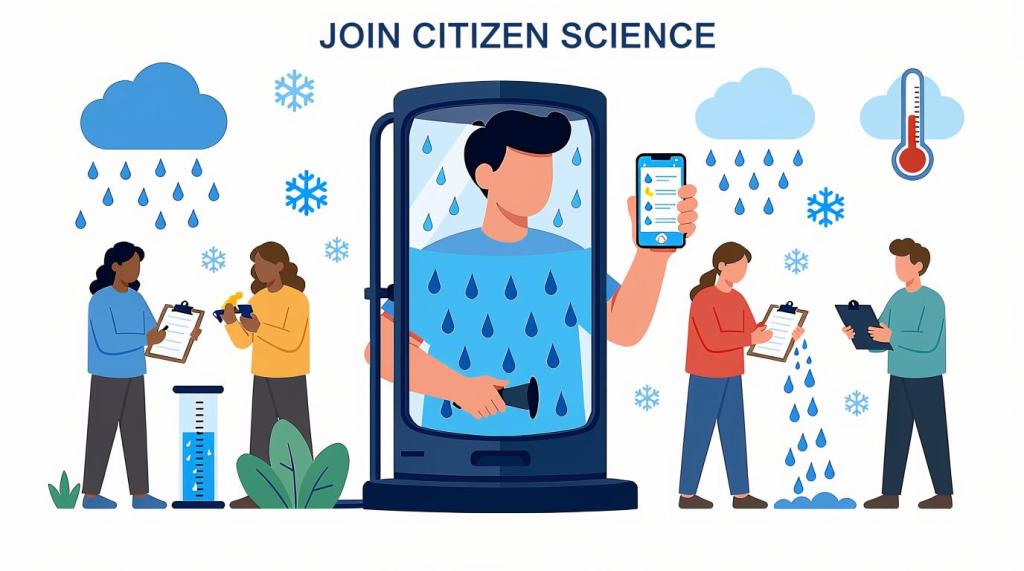
Citizen science lets everyday people actively shape real research by sharing observations and data. Join now to make a tangible impact, discover new insights, and become part of a global community driving scientific breakthroughs!
- The CoCoRaHS project invites weather enthusiasts to become citizen scientists by submitting daily precipitation reports that support forecasting and climate research even on dry days.
- Another path into becoming a citizen scientist is using the free mPING app! Your weather reports go directly to the National Severe Storms Laboratory in Norman, Oklahoma!
- SciStarter is a great place to explore a vast variety of citizen science projects.
- Zoonivese is another website that has a plethora of citizen science projects from climate to astronomy to ecology.
That’s a wrap for this week! Thanks for stopping by! See you next Saturday!
™ Tornado Quest © 1998‑2026 Tornado Quest, LLC. All Rights Reserved.


You must be logged in to post a comment.