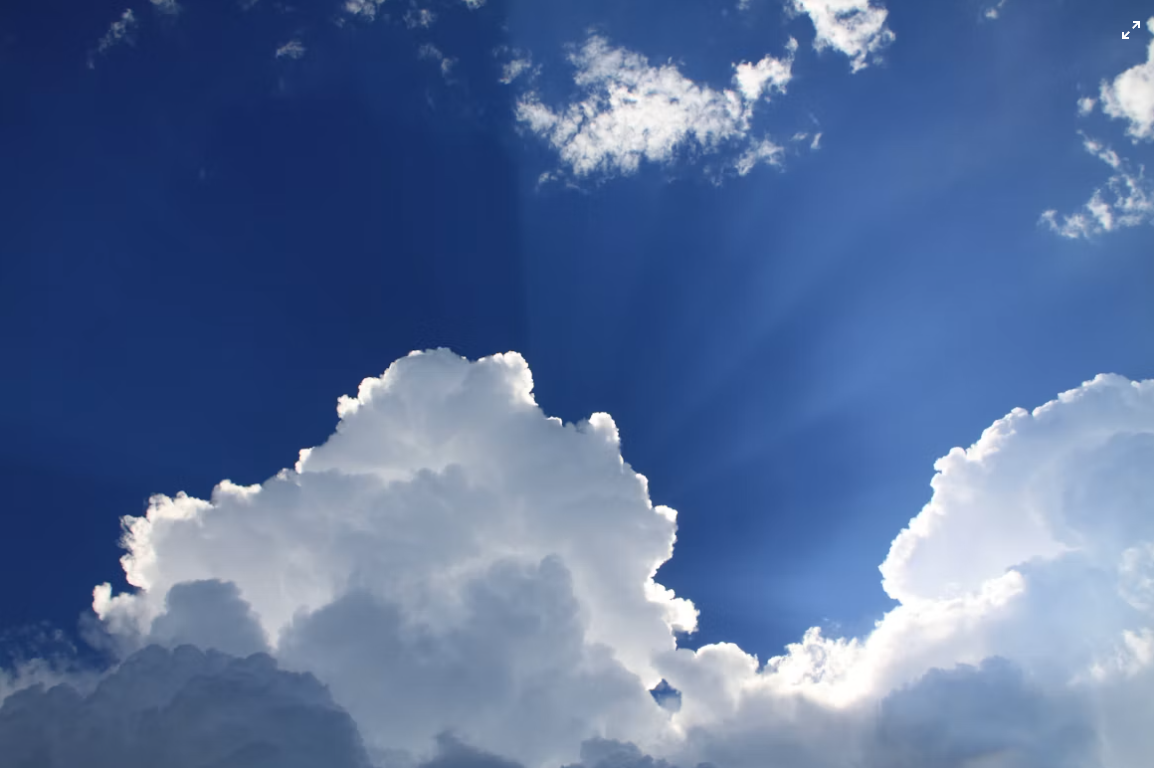
Peak hurricane season doesn’t announce itself politely. Neither does the heat that’s been reshaping daily life from farm fields to city streets all summer. This week’s post carries several reads that range from genuinely frightening to quietly hopeful…a five-year study found something in children’s lungs that shouldn’t have been possible, a glacier collapse in Nepal killed hundreds of people in exactly the way scientists predicted it would, and there’s a description of storm surge in this week’s hurricane safety link that will change how you think about coastal flooding forever. The Invisible Storm heat safety page, the hurricane safety page, citizen science links, and your NOAA Weather Radio reminder are all here waiting. Settle in for several important reads, some of which could save your life.
- Mars wears two faces, one is smooth and one is scarred. Scientists now suspect a blazing secret buried thousands of kilometers deep may hold the key to whether life ever took root on the Red Planet.
- When the sun beats down, the protective gear meant to shield farmworkers becomes part of the danger. Their families pay the price before they even step foot in the fields.
- You drink it, breathe it, and carry it inside your body. You’ll never see these tiny invaders, and scientists are racing to understand what they’re doing to you.
- In a city choking on exhaust, doctors expected children’s lungs to keep shrinking, but a five-year study found something that shouldn’t be possible.
- A seismic wave did more than shake Japan in 2011. It traveled somewhere no earthquake signal had been tracked before.
- The world’s oceans are under strain like never before, and the signs are impossible to ignore.
- Wildfire smoke doesn’t stay the same as it travels. Neither do the risks to your health, no matter how far you are from the flames.
- As temperatures rise, the rhythm of city life is shifting in unexpected ways, forcing us to rethink how we live.
- The catastrophic Nepal-Tibet flood that killed hundreds of people wasn’t just bad luck. Scientists say it was exactly the kind of disaster a rapidly warming Himalaya was predicted to produce.
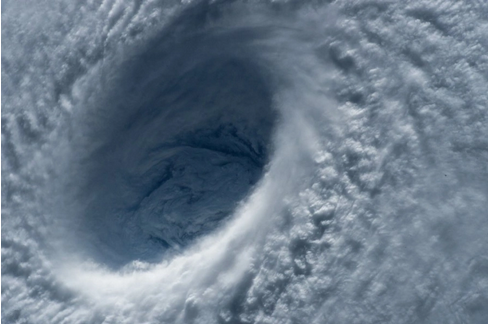
- Water weighs 1,700 pounds per cubic yard, and when a hurricane’s winds turn the entire ocean floor into a slingshot aimed at your neighborhood, the result isn’t a flood, it’s something closer to a wall of concrete moving at the speed of a freight train.
- In case you missed this read from last week, it’s worth posting again. It’s a very important update from the National Hurricane Center and is a must-read for anyone living in a region prone to hurricanes. It includes a vast amount of information that will help you understand hurricane advisories, watches, warnings, and much more during very stressful situations!
HURRICANE AND TROPICAL CYCLONE SAFETY AND PREPAREDNESS
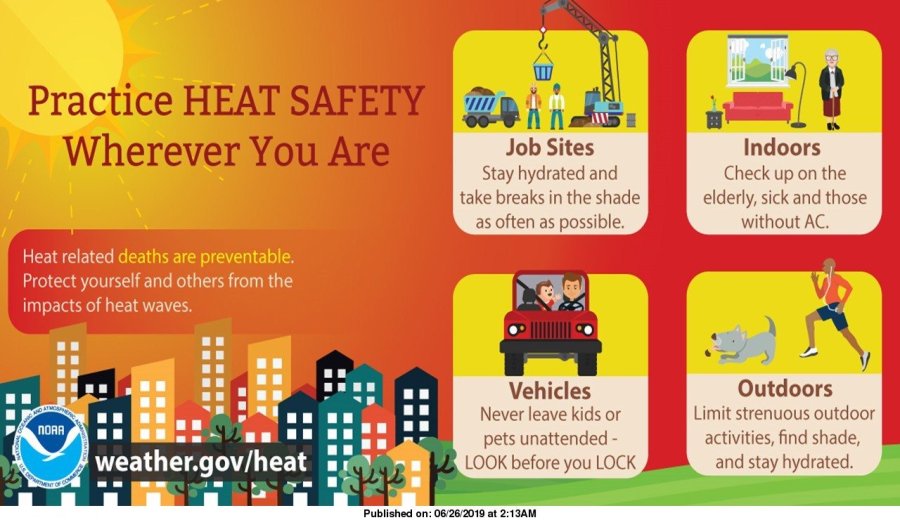
THE INVISIBLE STORM
NOAA WEATHER RADIO

Here’s your weekly reminder to check your NOAA weather radio’s batteries, programming, settings, and reception. NOAA has a comprehensive page on NOAA weather radio…a feature of the National weather Service in the USA that has saved countless lives.
US DROUGHT MONITOR
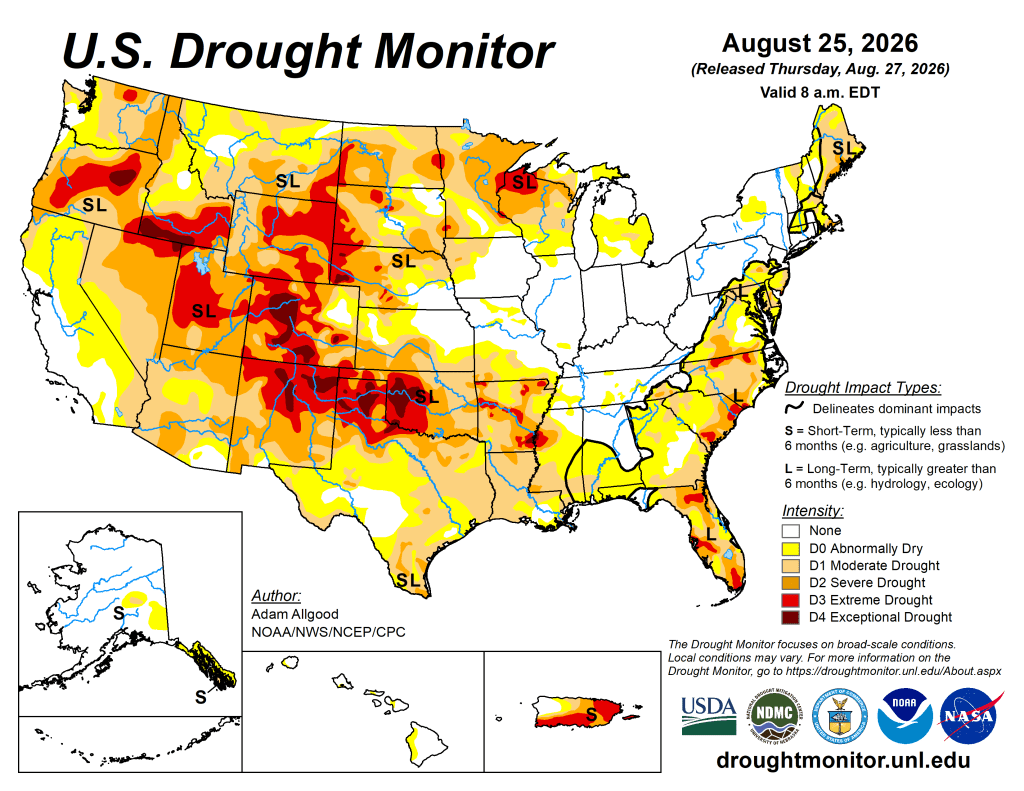
Summary
Last week’s weather played out like a game of musical chairs across the United States: the West and south-central regions got stuck sitting in scorching heat while the Corn Belt enjoyed milder temperatures that slowly drifted toward the Northeast. Where the hot air mass lifted slightly, storms dumped heavy rain on Nebraska, Missouri, and parts of the East Coast, but underneath that same ridge of heat, the South baked through dry spells that triggered rapid drought development. The West saw its monsoon season deliver scattered relief to Arizona and New Mexico, though neighboring desert regions spread further into drought territory. Meanwhile, Hawaii found temporary relief from Tropical Storm Moke after last week’s hurricane, Alaska’s central interior saw drought ease while the southeast dried out, and Puerto Rico quietly watched its own drought conditions expand under persistent lack of rain. Even though it’s late August, many regions are still broiling in dangerous heat wave conditions. See The Invisible Storm for heat safety information.
- NOAA’s US Drought Monitor website has the full regional and state details.
- The latest daily fire weather outlooks can be found at the Storm Prediction Center’s website.
CITIZEN SCIENCE
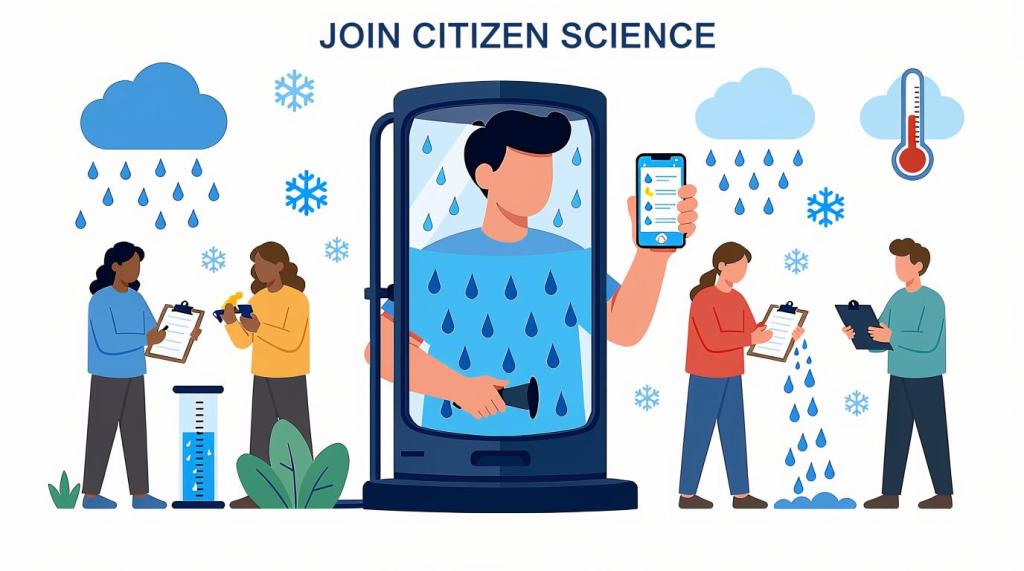
Citizen science lets everyday people actively shape real research by sharing observations and data. Join now to make a tangible impact, discover new insights, and become part of a global community driving scientific breakthroughs!
- The CoCoRaHS project invites weather enthusiasts to become citizen scientists by submitting daily precipitation reports that support forecasting and climate research even on dry days.
- Another path into becoming a citizen scientist is using the free mPING app! Your weather reports go directly to the National Severe Storms Laboratory in Norman, Oklahoma!
- SciStarter is a great place to explore a vast variety of citizen science projects.
- Zoonivese is another website that has a plethora of citizen science projects from climate to astronomy to ecology.
That’s a wrap for this week! Thanks for stopping by! See you next Saturday!
™ Tornado Quest © 1998‑2026 Tornado Quest, LLC. All Rights Reserved.


You must be logged in to post a comment.