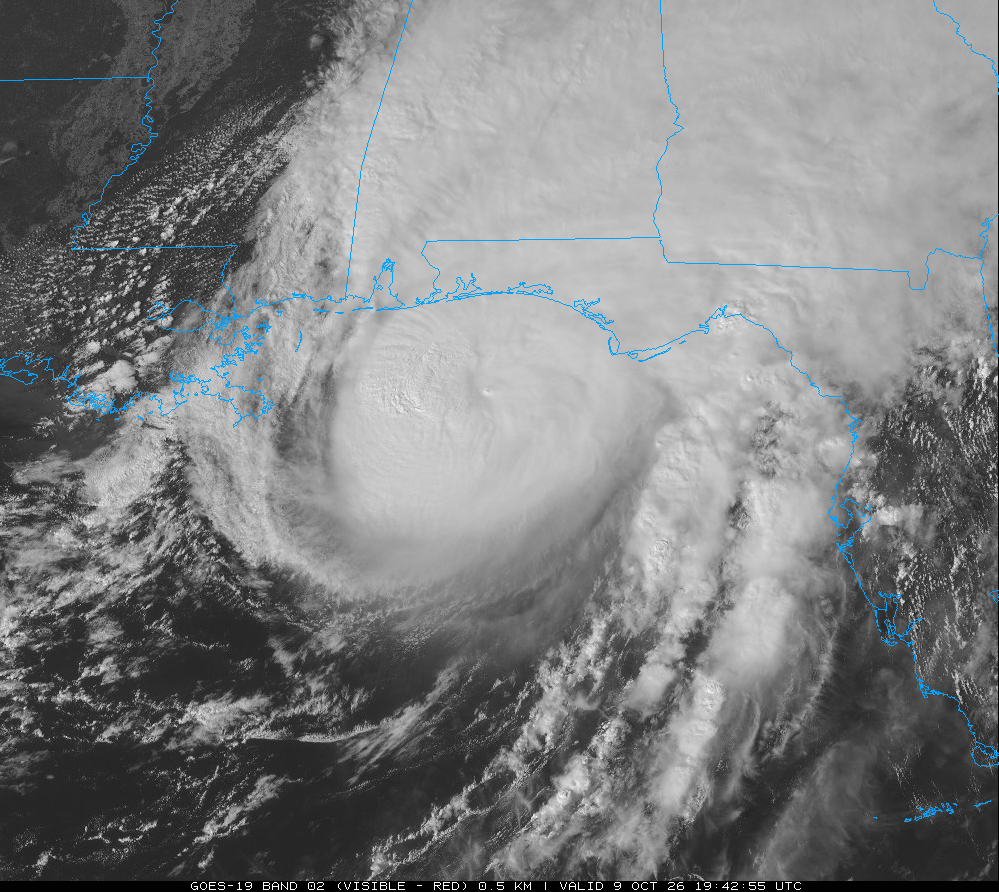
Hurricane Isaias approaching the Florida coastline as a Category 3 storm on 9 October 2026.
Hurricane Isaias just became the Atlantic’s first named storm of the season. It’s a reminder that a quiet year isn’t a finished one. A very short podcast this week, still fighting a respiratory infection, but the links are here and worth your time. Eight reads ranging from NASA catching distant worlds colliding in space, to what England’s worst wildfire month on record means for the rest of us, to the emergency foods worth actually stocking before you need them. The hurricane safety page and NOAA Weather Radio reminder are here as always. Stay prepared and happy reading.
- NASA’s Webb telescope just caught distant worlds smashing together. This it may explain how we got our Moon.
- Discover how a transformative 10-step support program guides people from the paralysis of climate despair toward resilience and meaningful action. Acknowledging the crisis is just the beginning.
- This read is from August 2026, but is still relevant and will hit home with any athlete, sports fan, or outdoor activity advocate.
- England just had its worst wildfire month on record. Experts say it’s a warning for everyone regardless of where you live.
- As large scale wildfires become more common, trees can be replanted. This begs the question, will those trees survive and thrive in the coming decades?
- Rain gardens are planted depressions that catch and absorb excess stormwater while filtering pollutants. They can enhance your property’s beauty at the same time.
- Emergency foods are a critical element of any home or workplace preparedness plan. But that begs the question, which emergency foods are the best to stockpile?
- Permafrost is essential to the standard operation of our planet. But, when it melts, do you know how that could affect you?
- Hurricane Isaias proved that the Atlantic basin is not finished for 2026. Updates on recovery, power outages, and more can be found here.
HURRICANE SAFETY AND PREPAREDNESS
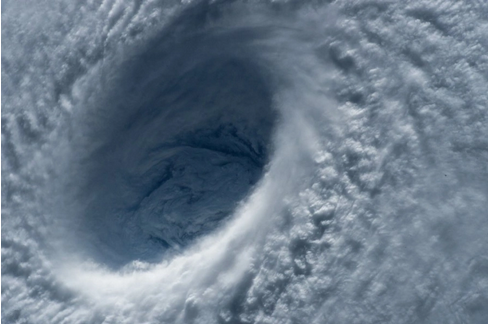
The Atlantic Awakens
The 2026 Atlantic season gave many a false sense of security. Record low activity lulled many into complacency. Isaias shattered that illusion. The Atlantic is still primed and the season is far from over.
History shows that destructive hurricanes like Category 5 Andrew in 1992 have devastated communities during seasons that appeared slow. One powerful storm is all it takes to undo months of perceived calm.
Complacency kills. Lowering your guard when the threat is still real is negligence, not optimism, bravado, or courage. Your emergency plan, your supplies, your readiness cannot wait until a hurricane watch is issued and grocery/hardware store shelves are empty.
Hurricane readiness isn’t measured by storm counts. It’s measured by whether you’re prepared for the one that strikes your community. The Atlantic may be quiet now, but that doesn’t mean it won’t roar to life again. Stay prepared, stay informed, and get a good start at the link below.
US DROUGHT MONITOR UPDATE
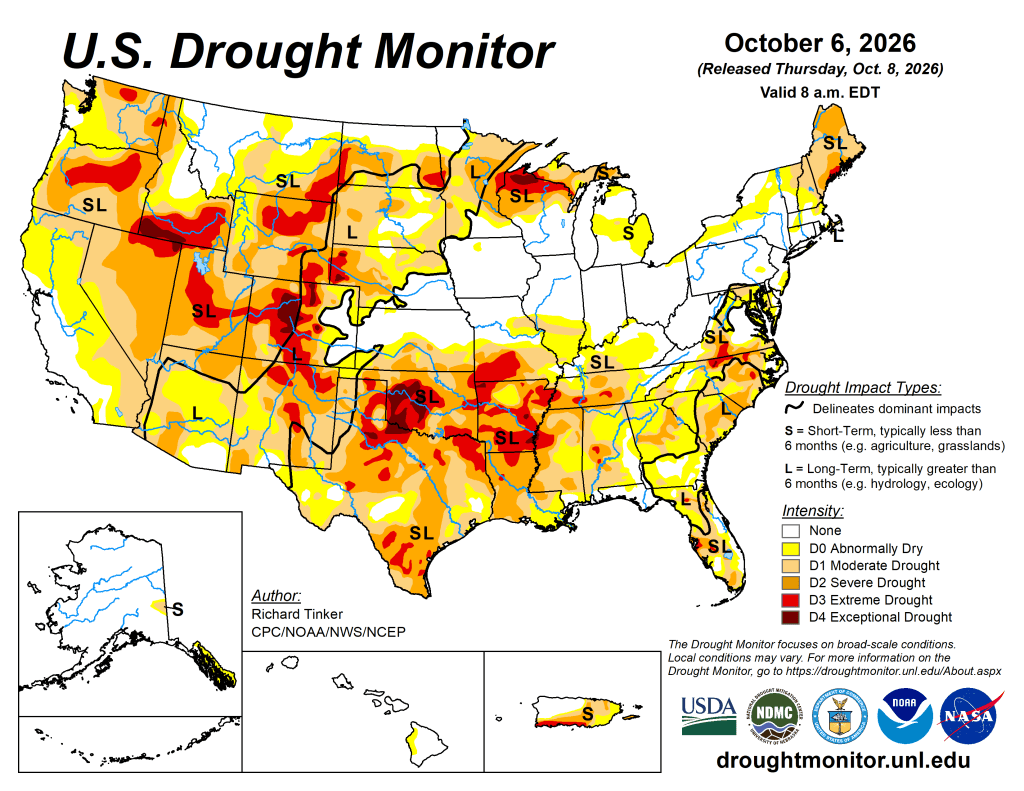
US Drought Monitor Summary
After a long, brutally hot and dry summer across the southern Plains, heavy rains finally arrived. Dallas went from barely a drop of rain in two and a half months to four inches in a week, and similar downpours soaked the Gulf Coast, Georgia, and Florida, bringing real drought relief to many areas. The big story looking ahead is Hurricane Isaias, which is expected to bring damaging winds, storm surge, and potentially 7 or more inches of rain as its moisture spreads inland across the Southeast. While all that tropical rain may ease drought in the Southeast, much of the Far West, Plains, and Great Lakes will stay dry, so drought isn’t over everywhere. If you’re anywhere near the Gulf Coast or Southeast, Isaias is this hurricane season’s message that the quiet stretch is officially over.
- NOAA’s US Drought Monitor website has the full regional and state details.
- The latest daily fire weather outlooks can be found at the Storm Prediction Center’s website.
NOAA WEATHER RADIO

Here’s your weekly reminder to check your NOAA weather radio’s batteries, programming, settings, and reception. NOAA has a comprehensive page on NOAA weather radio…a feature of the National weather Service in the USA that has saved countless lives.
CITIZEN SCIENCE
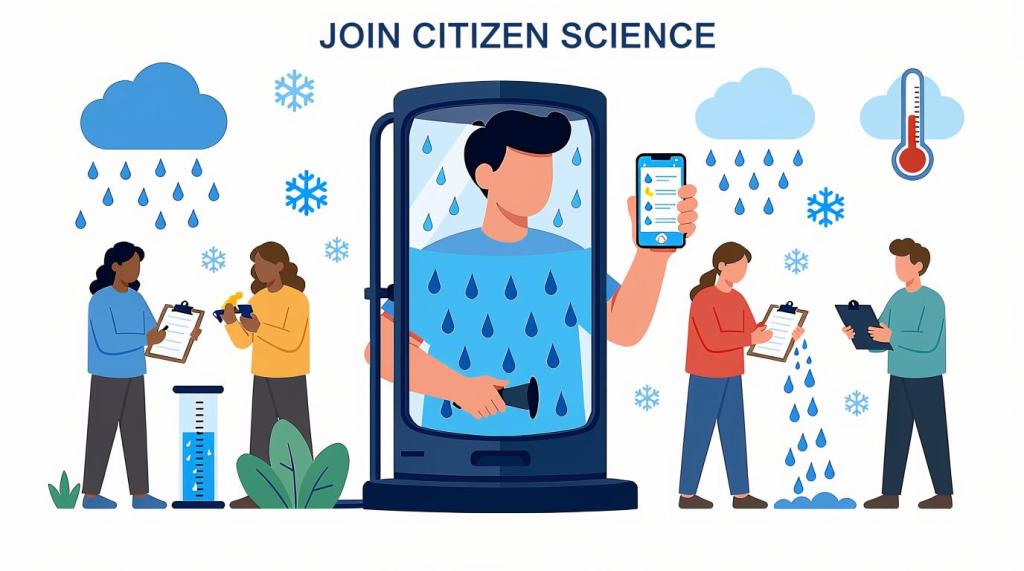
Citizen science lets everyday people actively shape real research by sharing observations and data. Join now to make a tangible impact, discover new insights, and become part of a global community driving scientific breakthroughs!
- The CoCoRaHS project invites weather enthusiasts to become citizen scientists by submitting daily precipitation reports that support forecasting and climate research even on dry days.
- Another path into becoming a citizen scientist is using the free mPING app! Your weather reports go directly to the National Severe Storms Laboratory in Norman, Oklahoma!
- SciStarter is a great place to explore a vast variety of citizen science projects.
- Zoonivese is another website that has a plethora of citizen science projects from climate to astronomy to ecology.
That’s a wrap for this week! Thanks for stopping by! See you next Saturday!
™ Tornado Quest © 1998‑2026 Tornado Quest, LLC. All Rights Reserved.


You must be logged in to post a comment.