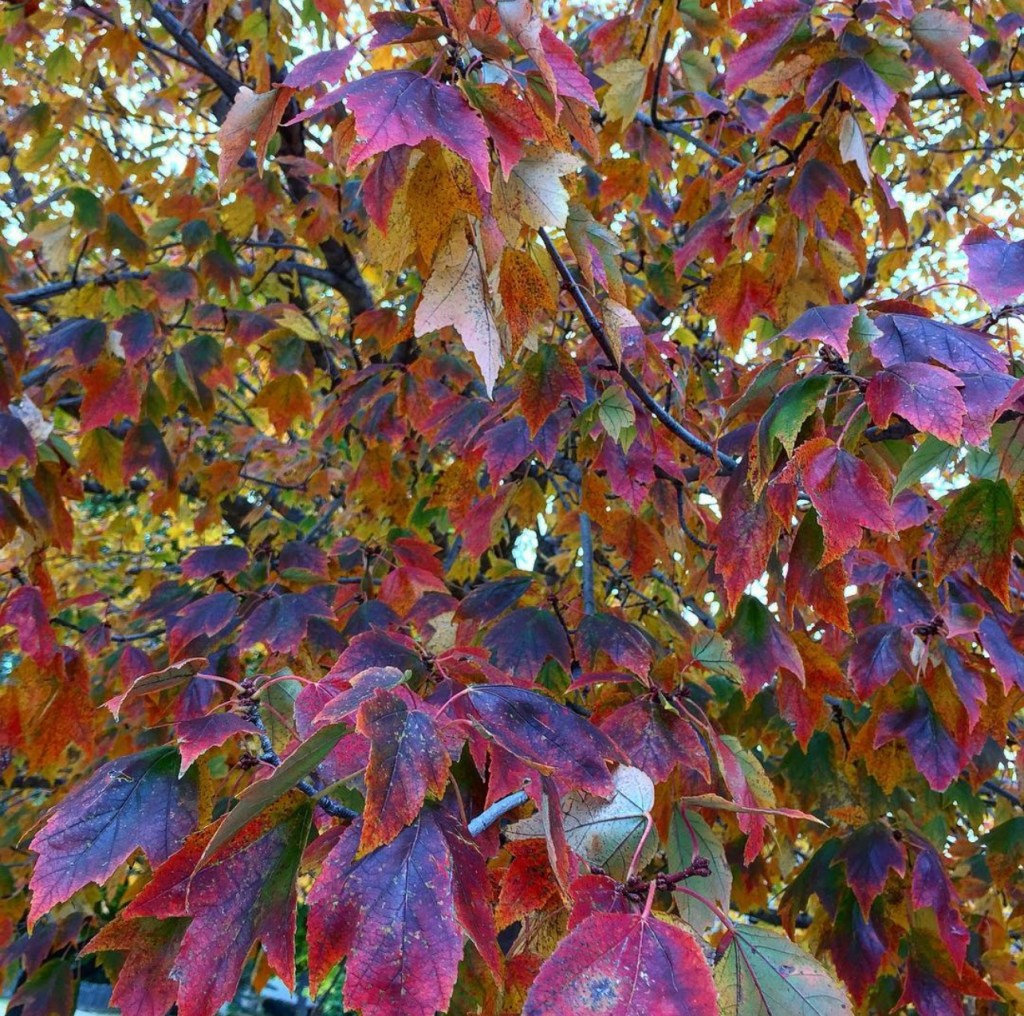
Greetings everyone. It’s good to see you. This week, I’ve got a new quarterly edition of the Tornado Quest Chronicles published. The focus of the autumn’s essay is winter weather forecasting which is one of the most daunting challenges a meteorologist can face during their career. I’ve got several other interesting reads ranging from a comet in 1066 to structures that do, or don’t, handle an earthquake, to a interesting study where manufactured housing (mobile homes) are blasted with hurricane force winds. As always, you can depend on a reminder to check your NOAA weather radio, citizen science links for everyone, and hurricane safety…because the Atlantic season is far from over. Grab a cup of your favorite drink and settle in for some good reads.
- When a brilliant comet blazed across the 1066 sky, medieval Europe didn’t see just a strange star. They read prophecy in its tail, and for one English king, that celestial omen would prove terrifyingly accurate.
- Encouraging news. A Buffalo, New York apartment building now houses one of America’s largest residential batteries. This is safe enough to live beside, proving that clean energy storage can keep power affordable and reliable even as the grid strains.
- Two massive earthquakes struck Venezuela just 39 seconds apart, yet some buildings crumbled while others beside them barely swayed. What really decides which structures survive?
- California residents, take note: the devastating 2025 Myanmar earthquake revealed that a faults hidden tilt dictates where the ground shakes hardest. Since the San Andreas is tilted in much the same way, scientists may now be able to forecast which side of “the Big One” gets hit worst.
- How fast can a grass fire take over and even kill those in a controlled training exercise? Much faster and easier than you’d think. Now imagine what happens in an out-of-control wildfire scenario.
- What happens when decades of climate research suddenly becomes the target of hundreds of public-records requests…all from groups connected to the very industries being studied?
- A shocking UN report reveals that despite global climate pledges, America’s policy reversal could add an extra tenth of a degree to planetary warming. That’s a seemingly small number that would push 140 million more people into dangerously extreme heat and bring catastrophic tipping points closer to your home.
- Engineers are deliberately smashing manufactured homes with hurricane-force winds, not to destroy, but to discover simple fixes that could protect 20 million Americans living in these vulnerable structures.
HURRICANE SAFETY AND PREPAREDNESS
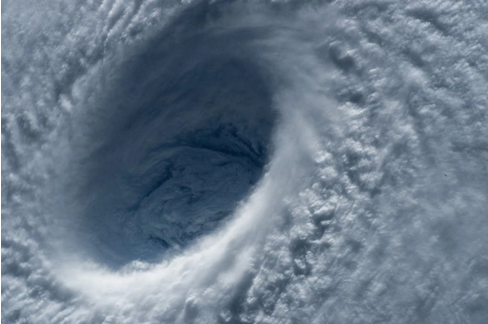
The Atlantic Is Quiet For Now
The Atlantic may have gone quiet, but don’t mistake silence for safety. Hurricane Isaias made landfall on the Florida coast, shattering the illusion that a record-low start to the 2026 season meant the threat had passed. History shows that slow seasons can still unleash devastating storms like Category 5 Andrew in 1992. With several weeks remaining before the November shutdown, lowering your guard now is negligence, not wisdom. One storm is all it takes to undo months of perceived calm. Emergency plans and supplies can’t wait until hurricane watches sound and store shelves are bare. The Atlantic isn’t done waking up so make sure you are. Stay prepared, stay informed, and get a good start at the link below.
US DROUGHT MONITOR UPDATE
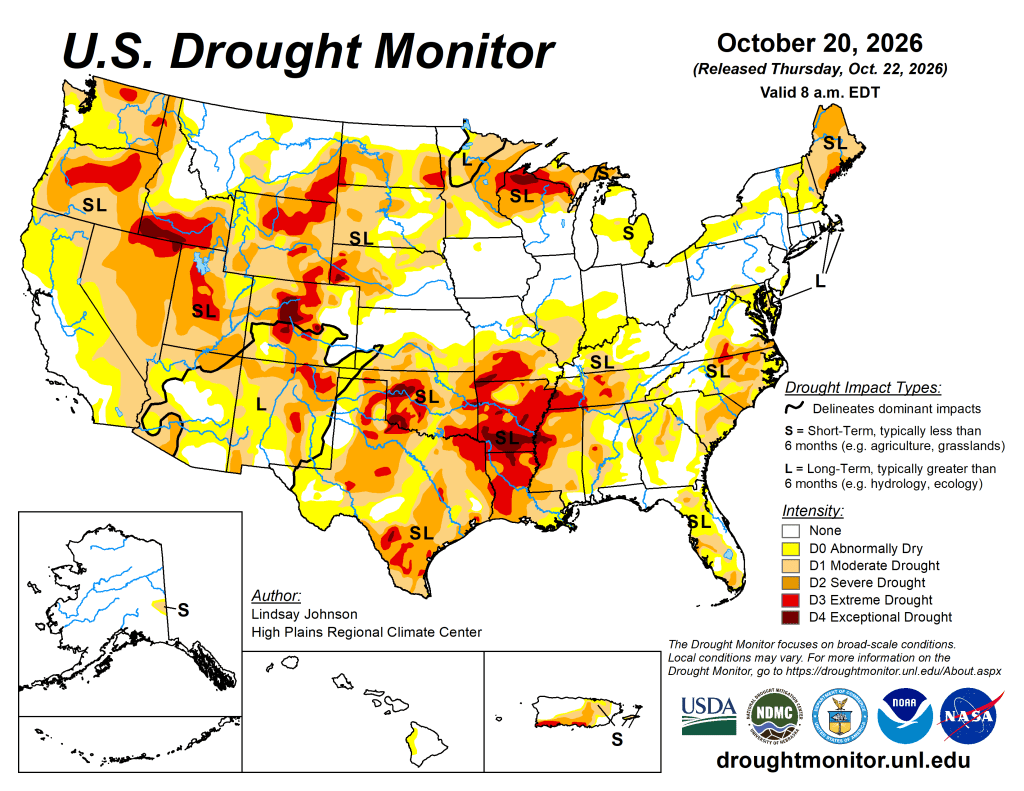
US Drought Monitor Summary
Drought across the United States is pulling in opposite directions right now. Heavy storms and mountain snow have brought welcome relief to Texas, Oklahoma, and parts of the West, while Arkansas, Louisiana, Mississippi, Tennessee, and much of the Midwest face worsening dryness with no rain in sight. Over the coming week, more precipitation is expected across California, the Southwest, and the Plains, but the Northeast, Ohio Valley, and Southeast will likely stay dry with above normal warmth that will only deepen moisture shortages. This matters because regional drought directly shapes everyday costs. Crop shortfalls raise grocery prices, shrinking water supplies increase utility bills, dry vegetation heightens wildfire risks that affect air quality, and low reservoirs drive up energy costs as power companies rely less on hydropower and more on expensive alternatives.
- NOAA’s US Drought Monitor website has the full regional and state drought conditions details.
- The latest daily fire weather outlooks can be found at the Storm Prediction Center’s website.
NOAA WEATHER RADIO

Here’s your weekly reminder to check your NOAA weather radio’s batteries, programming, settings, and reception. NOAA has a comprehensive page on NOAA weather radio…a feature of the National weather Service in the USA that has saved countless lives.
CITIZEN SCIENCE
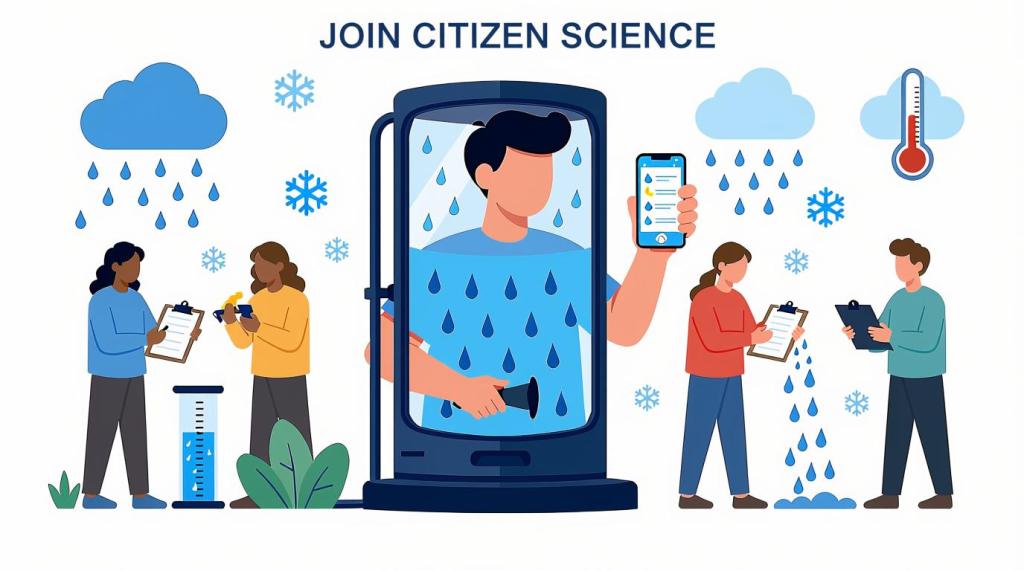
Citizen science lets everyday people actively shape real research by sharing observations and data. Join now to make a tangible impact, discover new insights, and become part of a global community driving scientific breakthroughs!
- The CoCoRaHS project invites weather enthusiasts to become citizen scientists by submitting daily precipitation reports that support forecasting and climate research even on dry days.
- Another path into becoming a citizen scientist is using the free mPING app! Your weather reports go directly to the National Severe Storms Laboratory in Norman, Oklahoma!
- SciStarter is a great place to explore a vast variety of citizen science projects.
- Zoonivese is another website that has a plethora of citizen science projects from climate to astronomy to ecology.
That’s a wrap for this week! Thanks for stopping by! See you next Saturday!
™ Tornado Quest © 1998‑2026 Tornado Quest, LLC. All Rights Reserved.


You must be logged in to post a comment.