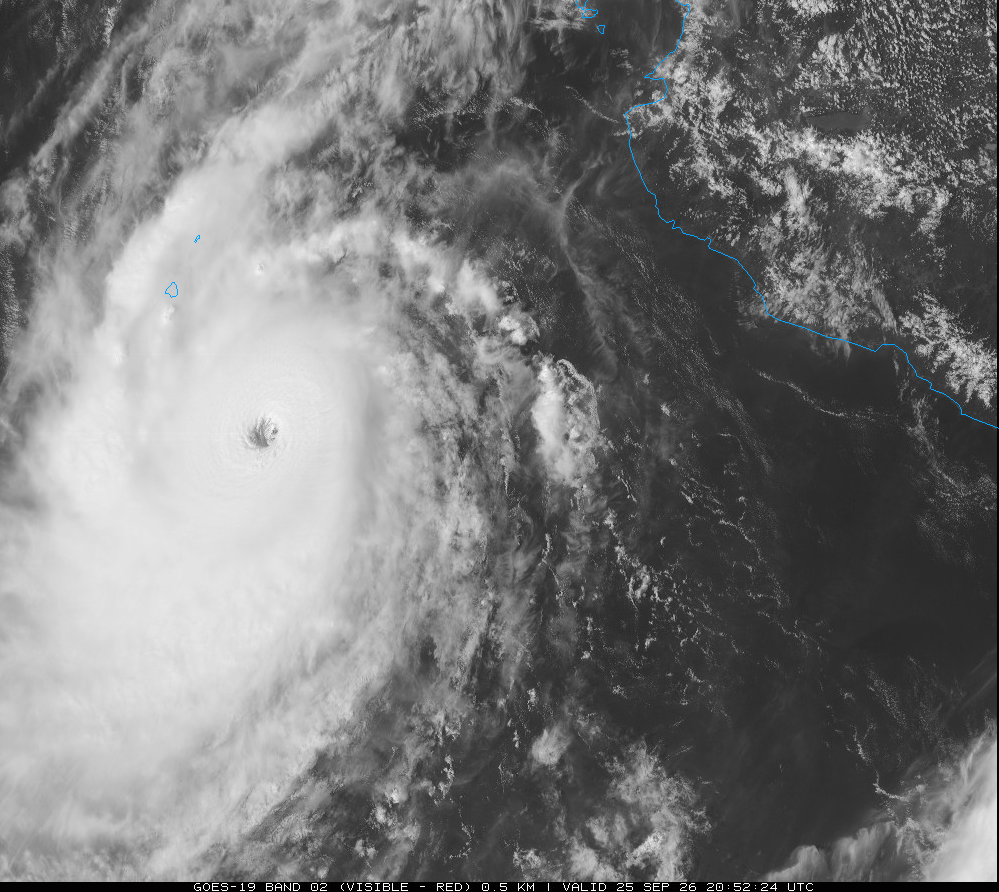
Hurricane Polo at Category 5 intensity (180mph winds) in the eastern Pacific on September 25, 2026
Three active hurricanes are churning in the eastern and central Pacific right now, with Hawaii and Mexico in the crosshairs. One of them, Hurricane Polo, went from a modest tropical storm to a Category 5 monster in less than 24 hours. That kind of explosive intensification used to be rare. It isn’t anymore. While the Atlantic stays quiet, the Pacific is reminding anyone paying attention that El Niño doesn’t play favorites. Your NOAA Weather Radio needs to stay close this week. The hurricane safety and preparedness page is here to help you prep for the storm that still may happen, the US Drought Monitor update is in the post, and the fall equinox arrived this week. Meteorological autumn is several weeks old, but the atmosphere hasn’t been reading the calendar. Ten reads this week that range from what NASA’s Perseverance rover just rewrote about Mars, to what happened when the government fired its climate scientists and thought the data would disappear with them. Settle in. This week hits hard.
- Perseverance rover found Jezero Crater rocks bearing traces of three separate water encounters on early Mars. This rewrites assumptions about the planet’s wet past and potential for ancient life.
- We’ve just had an equinox this week. Exactly what is an equinox and why is it important to our climate, weather, and every day life?
- A record breaking $50.1 million auction sale has permanently locked one of the world’s most complete Tyrannosaurus Rex skeletons into private hands, robbing science of a 67 million year old discovery that no researcher will ever be able to study again.
- That morning walk or jog you take to maintain good health has many benefits. However, there’s one hazard that we all need to be aware of.
- The UK government just told its citizens to start stocking their cupboards, not for a storm, but for something already in motion that most people haven’t started preparing for. Note: common sense says this applies to everyone, including American residents.
- Researchers just measured exactly how much heat is costing students academically. The children losing the most are the ones who can least afford it.
- When federal climate experts were suddenly cast aside, a quiet network emerged to rescue them…and the crucial data they safeguarded from disappearing forever.
- 12 trillion tons of ice vanished from Greenland and Antarctica since 1979, raising seas an inch that floods millions while locking in decades of accelerating coastal catastrophe.
- In 24 hours, Polo intensified in the eastern Pacific from a modest tropical storm to a Category 5 monster. A once-in-a-generation El Niño may have fueled its explosive rise.
- ICYMI: NOAA’s Storm Prediction Center’s Online Tornado FAQ has a new look and new information! Check it out here!
HURRICANE SAFETY AND PREPAREDNESS
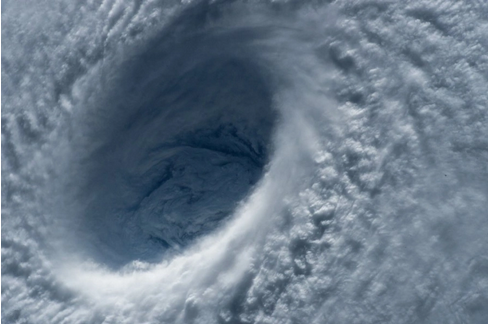
Don’t Let the Quiet Atlantic Fool You: Why Now Is Not the Time to Relax!
The Atlantic hurricane season in 2026 has been unusually quiet so far, with record-low activity and no major storms making landfall. But here’s the catch: a quiet season doesn’t mean zero risk. In fact, history shows that some of the most destructive hurricanes, like Andrew in 1992, have struck during years when the season seemed slow at first. Forecasters say this year’s calm is largely due to a strong El Niño, which creates wind patterns that disrupt storm formation. However, the season isn’t over yet, and it only takes one powerful storm to cause devastating damage.
Even with fewer storms, the lack of activity can lead to complacency. People let their guard down, emergency plans get ignored, and resources may be diverted elsewhere. But the reality is that hurricane preparedness isn’t just about the number of storms; it’s about being ready for the one that could hit your community. So while the Atlantic may be quiet now, stay prepared, stay informed, and don’t assume we’re in the clear.
US DROUGHT MONITOR UPDATE
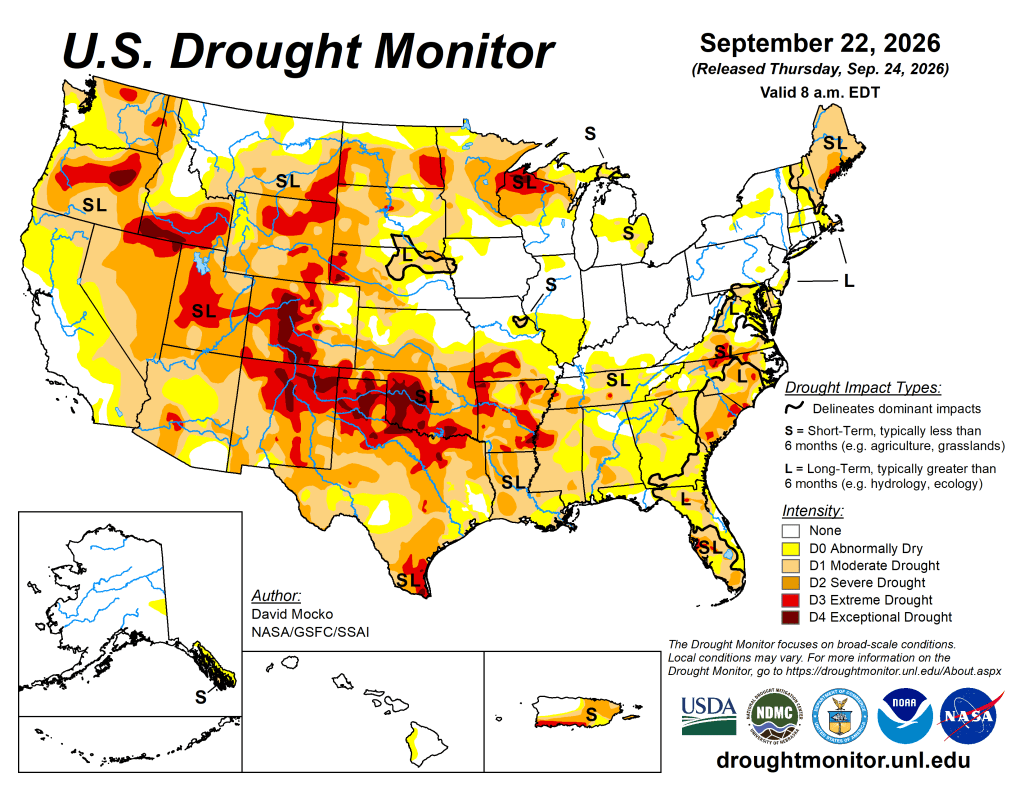
US Drought Monitor Summary
This week brought dramatically different weather across the U.S.: while the South baked in record-breaking heat (5–15°F above normal, which could affect outdoor plans and energy bills), the Northern Midwest and Ohio Valley got drenched with heavy rains (up to 6–8 inches in some places), raising flood concerns. Looking ahead, the next five days favor wet weather along the Northeast coast from a nor’easter, the Northwest, and parts of the western plains. That’s good news for drought-stricken areas, but Texas, Louisiana, and California will stay dry. Over the next 10 days, expect continued warmth across the southern half of the country and cooler temperatures in the Northeast and Northwest. For everyday planning, this means checking local forecasts matters more than ever if you’re traveling, managing property near flood zones, or living in areas where heat or drought could impact water supplies and air quality.
- NOAA’s US Drought Monitor website has the full regional and state details.
- The latest daily fire weather outlooks can be found at the Storm Prediction Center’s website.
NOAA WEATHER RADIO

Here’s your weekly reminder to check your NOAA weather radio’s batteries, programming, settings, and reception. NOAA has a comprehensive page on NOAA weather radio…a feature of the National weather Service in the USA that has saved countless lives.
THE INVISIBLE STORM
CITIZEN SCIENCE
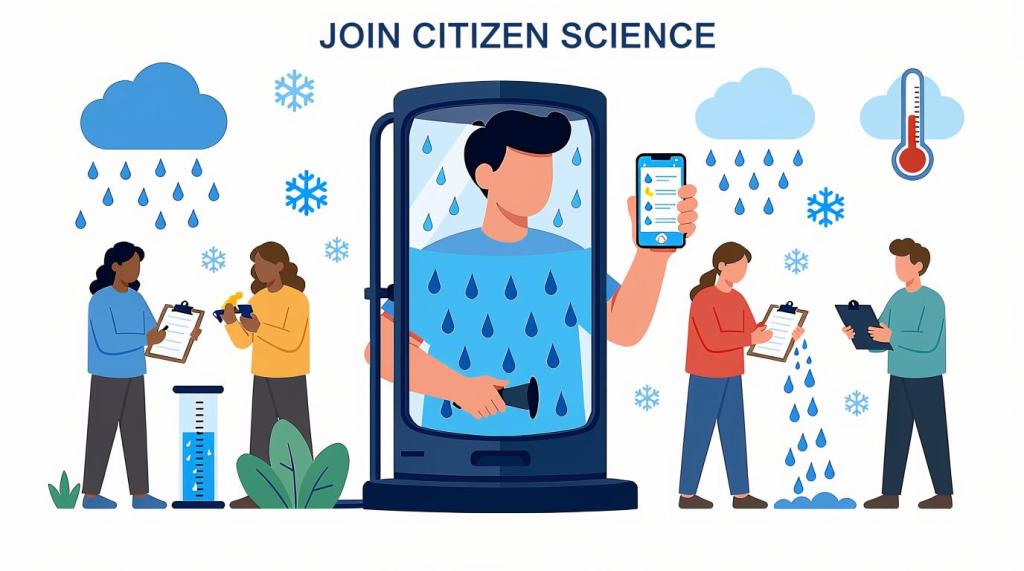
Citizen science lets everyday people actively shape real research by sharing observations and data. Join now to make a tangible impact, discover new insights, and become part of a global community driving scientific breakthroughs!
- The CoCoRaHS project invites weather enthusiasts to become citizen scientists by submitting daily precipitation reports that support forecasting and climate research even on dry days.
- Another path into becoming a citizen scientist is using the free mPING app! Your weather reports go directly to the National Severe Storms Laboratory in Norman, Oklahoma!
- SciStarter is a great place to explore a vast variety of citizen science projects.
- Zoonivese is another website that has a plethora of citizen science projects from climate to astronomy to ecology.
That’s a wrap for this week! Thanks for stopping by! See you next Saturday!
™ Tornado Quest © 1998‑2026 Tornado Quest, LLC. All Rights Reserved.


You must be logged in to post a comment.